English
 中文简体
中文简体 عربى
عربىTypes of Disposable Paper Cups
Disposable paper cups come in a variety of types designed for specific beverages and purposes. Understanding the different options can help businesses and individuals choose the right cup for their needs.
Hot Beverage Cups
These cups are typically made with a thicker paper and an inner polyethylene (PE) or biodegradable lining to prevent leakage and maintain heat. They are commonly used for coffee, tea, and other hot drinks.
Cold Beverage Cups
Designed for cold drinks, these cups usually have a single PE lining or a water-resistant coating. They can be used for juices, iced beverages, and smoothies.
Specialty Cups
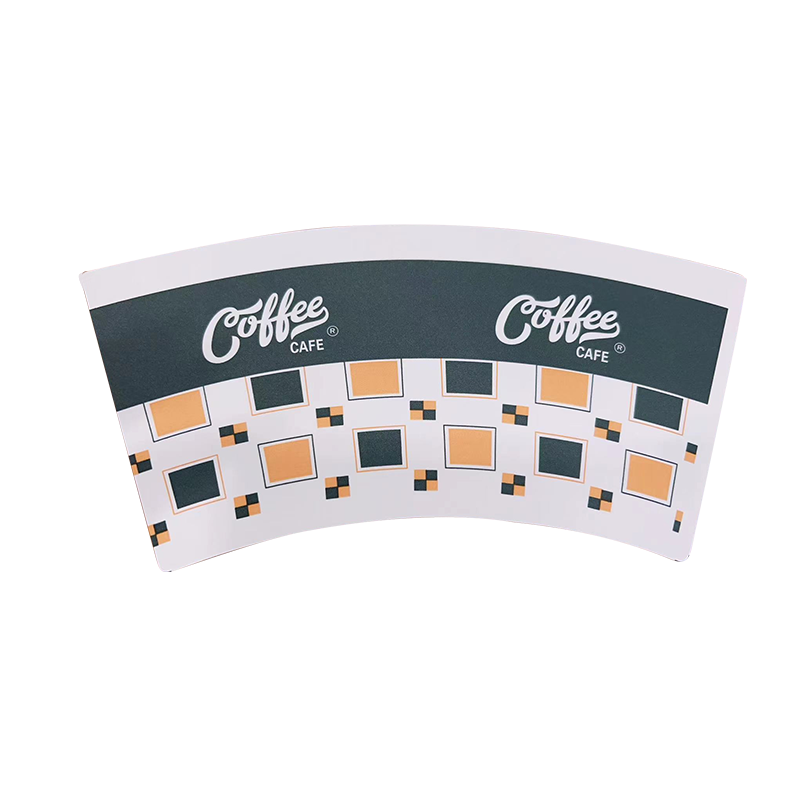
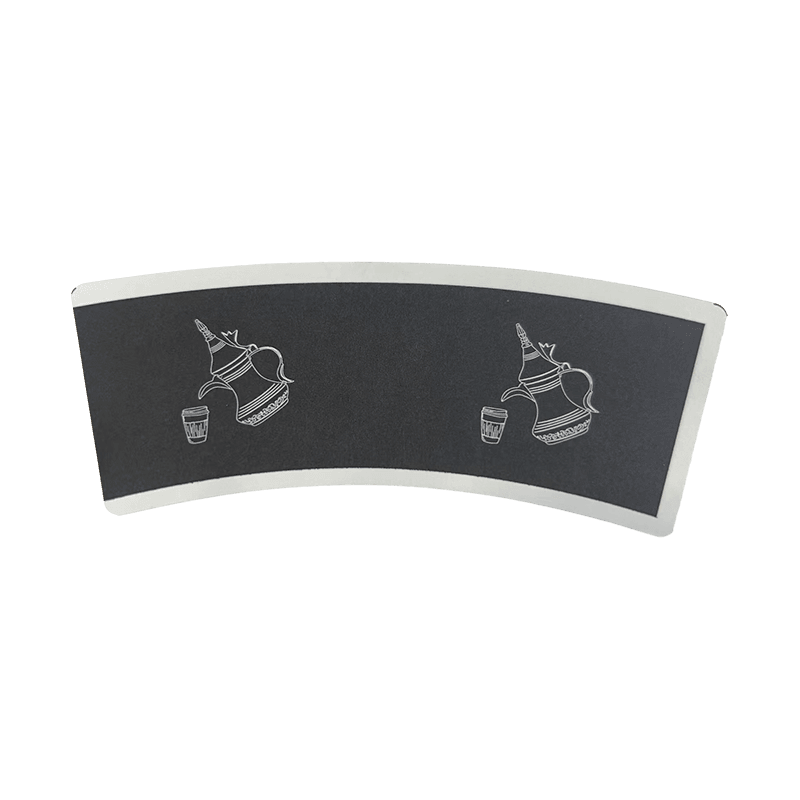
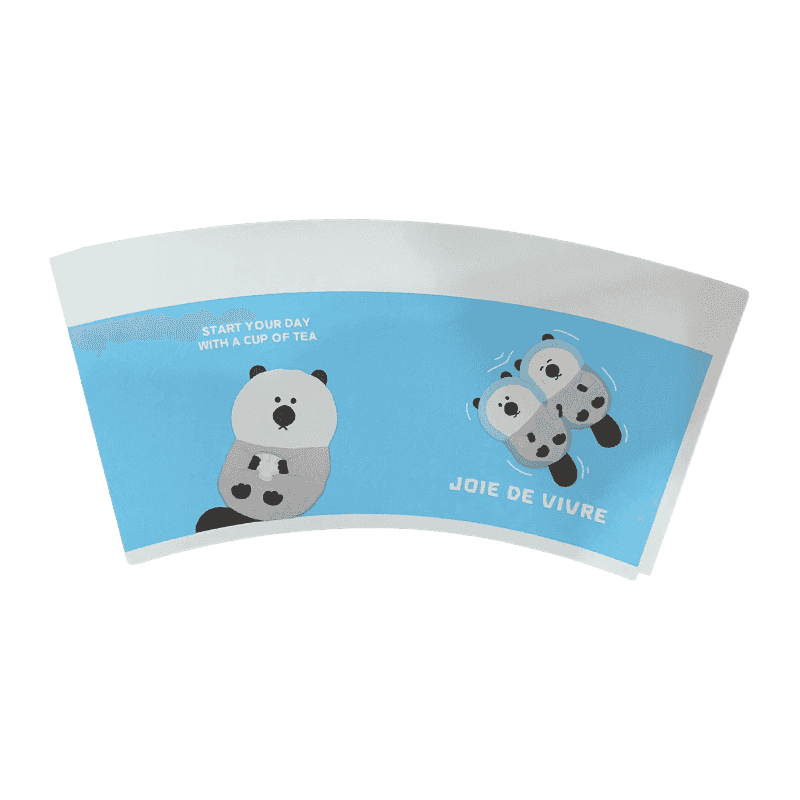
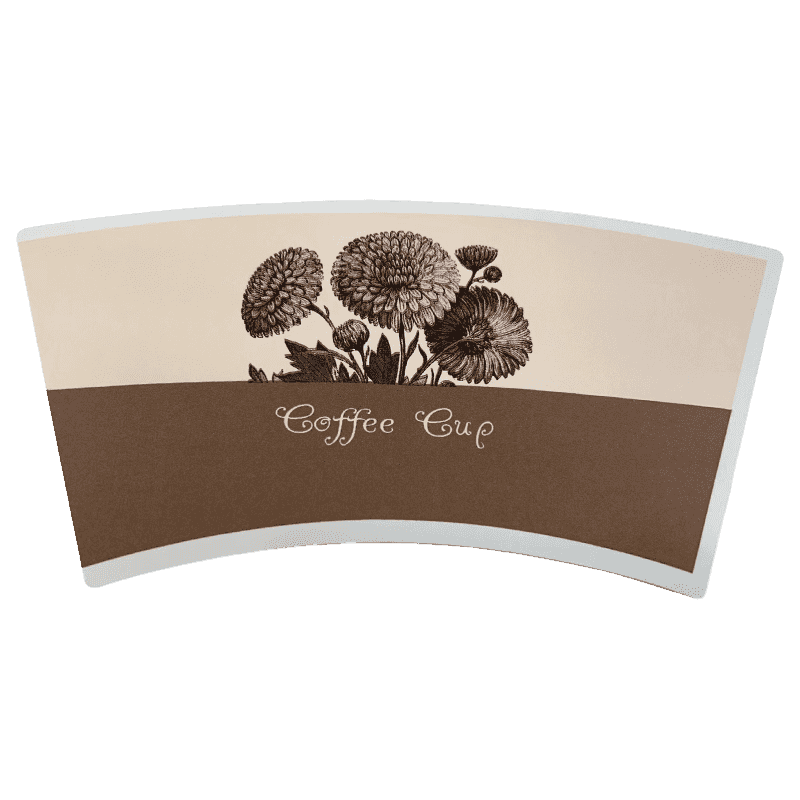
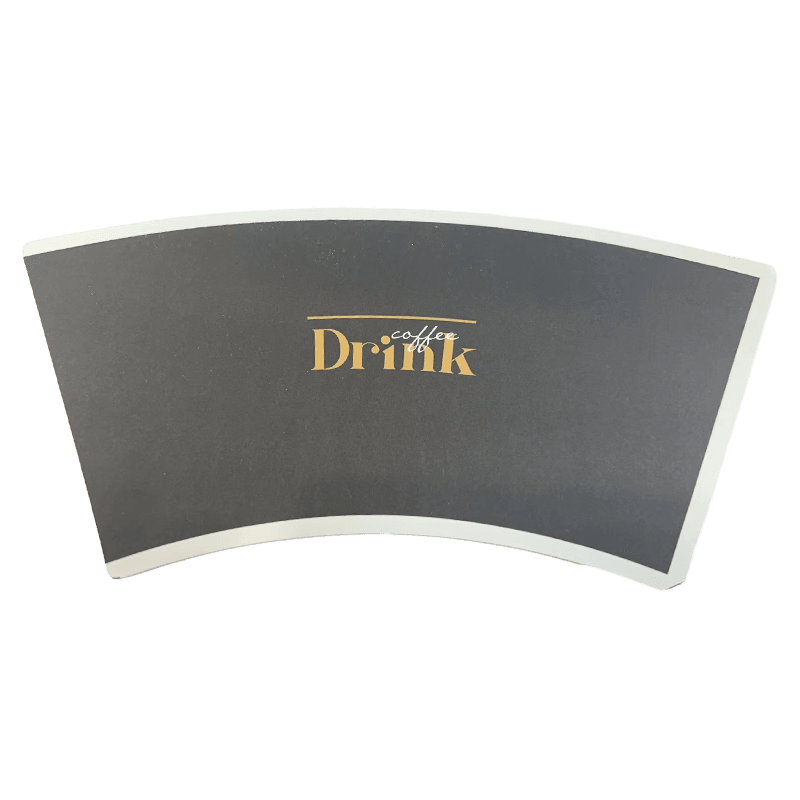
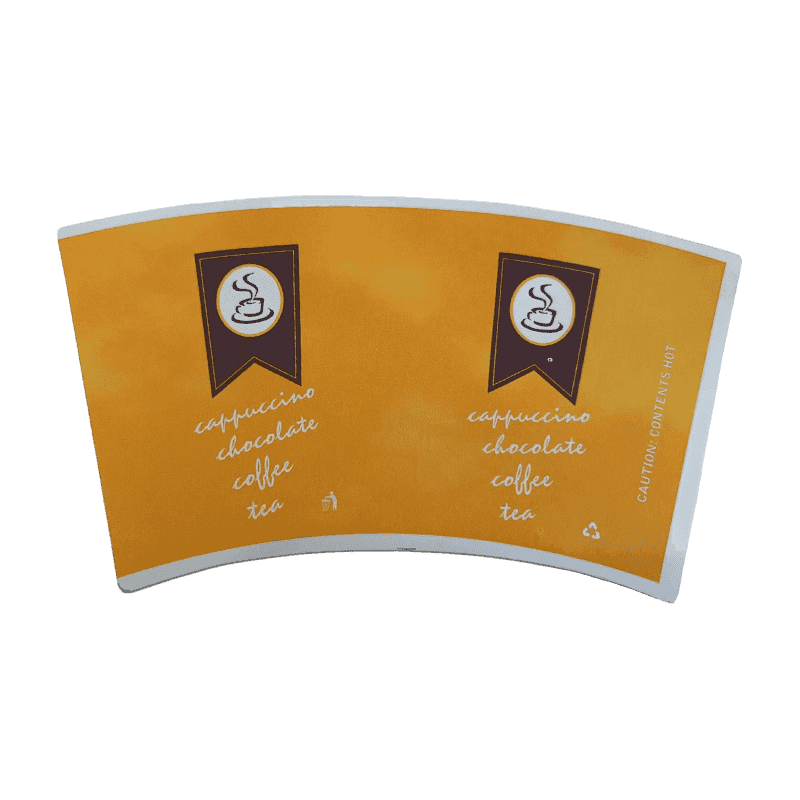
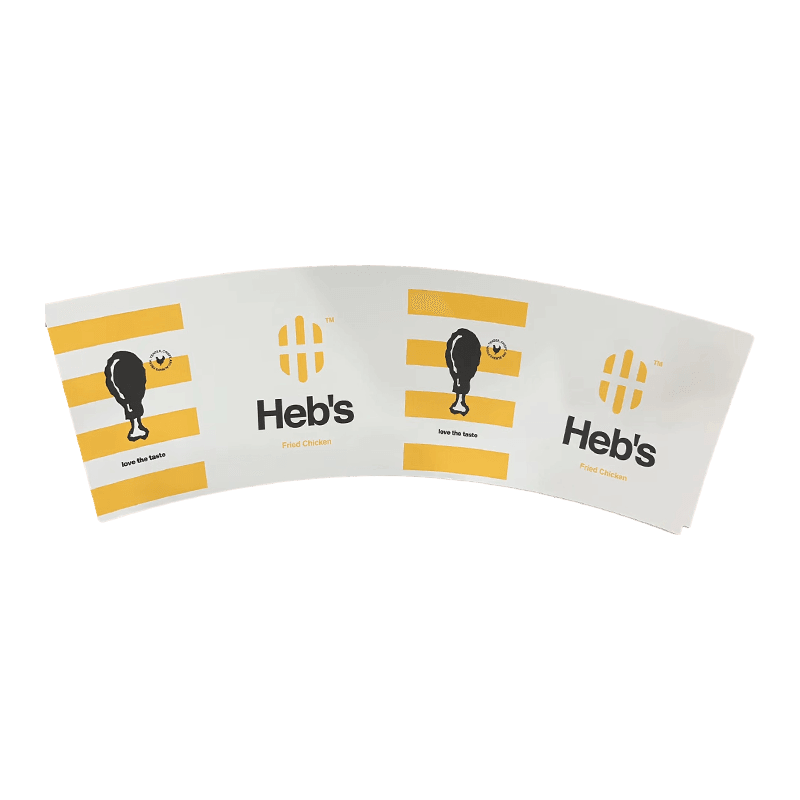
Some paper cups are designed with additional features, such as double-wall insulation for extra heat protection, clear windows for product visibility, or custom prints for branding purposes.
Materials and Manufacturing Process
The quality and sustainability of disposable paper cups largely depend on the materials used and the manufacturing process. Choosing reliable suppliers ensures safe and durable cups.
Paperboard
High-quality paperboard forms the primary structure of the cup. It is typically sourced from sustainably managed forests to reduce environmental impact.
Linings and Coatings
To prevent leakage, most cups are lined with:
- Polyethylene (PE) coating
- Polylactic acid (PLA) biodegradable lining
- Wax coatings for certain cold beverages
Manufacturing Process
The production involves cutting paperboard into sheets, applying the lining, forming the cup shape through a molding machine, and sealing the bottom. Quality control checks are essential to prevent leaks or structural failures.
Environmental Considerations
Disposable paper cups have a notable environmental impact, but understanding the factors can help reduce waste and support sustainable practices.
Recyclability
Most paper cups are lined with PE, making them challenging to recycle in standard facilities. Biodegradable or PLA-lined cups are easier to compost but require industrial composting systems.
Waste Reduction Strategies
Businesses and consumers can reduce waste by:
- Encouraging reusable cup programs
- Using cups made from recycled paper
- Supporting biodegradable or compostable options
Safety and Usage Tips
Ensuring safe use of disposable paper cups involves proper handling and storage.
Temperature Limits
Hot beverage cups should be used within the recommended temperature range (typically up to 100°C) to prevent deformation and leakage.
Storage and Hygiene
Keep cups in a clean, dry area away from direct sunlight. Avoid contact with contaminants to maintain hygiene and safety for consumers.
Comparison Table of Common Disposable Paper Cups
| Type | Material | Use Case | Environmental Notes |
| Hot Beverage Cup | Paperboard + PE/PLA lining | Coffee, tea, hot chocolate | Recyclable with difficulty; compostable if PLA |
| Cold Beverage Cup | Paperboard + PE lining | Juices, iced drinks, smoothies | Recyclable with difficulty; some PLA options compostable |
| Double-wall Cup | Paperboard + PE lining + extra insulation layer | Hot drinks requiring hand protection | Similar environmental considerations to hot cups |
| Custom Print Cup | Paperboard + PE/PLA lining | Branded beverages, events | Depends on lining; branding may affect recyclability |