English
 中文简体
中文简体 عربى
عربىUnderstanding PE Foam Cups
PE foam cups are made from polyethylene foam, a lightweight, durable, and insulating material. Unlike traditional paper or plastic cups, PE foam cups provide excellent temperature retention, making them ideal for both hot and cold beverages. Their cellular structure helps in minimizing heat transfer, which protects users’ hands from burns while keeping the drink at the desired temperature.
These cups are widely used in cafes, fast-food restaurants, office pantries, and even at home for daily use. The material’s resistance to moisture and chemicals also makes it suitable for various liquid types, from coffee to soft drinks.
Key Benefits of PE Foam Cups
PE foam cups offer multiple advantages over other disposable cup options. Understanding these benefits helps businesses and individuals make informed choices:
- Excellent insulation properties keep beverages hot or cold for extended periods.
- Lightweight and easy to carry, reducing shipping and storage costs.
- Resistant to punctures and leaks due to the material’s flexible structure.
- Cost-effective for bulk purchase, suitable for commercial and catering use.
- Environmentally safer than some plastics if recycled properly, as polyethylene foam can be reprocessed.
Common Applications of PE Foam Cups
PE foam cups are highly versatile and used in a range of scenarios beyond simply holding drinks. Businesses often prefer them for events and catering due to their reliability and user-friendly design. Some typical applications include:
- Coffee shops and tea houses for serving hot beverages.
- Fast-food restaurants for cold soft drinks and juices.
- Office and corporate pantries for daily staff use.
- Outdoor events, picnics, and food trucks where portability is crucial.
- Hospitals and medical facilities for serving liquids safely to patients.
Choosing the Right Size and Design
PE foam cups come in multiple sizes and shapes, each suited for different purposes. Selecting the right size ensures both comfort for the user and cost-efficiency for the supplier. Common sizes range from 4 oz to 24 oz, with some featuring double-wall designs for extra insulation.
Factors to Consider
- Volume capacity according to the beverage type.
- Wall thickness for better heat retention and durability.
- Lid compatibility for preventing spills, especially in to-go services.
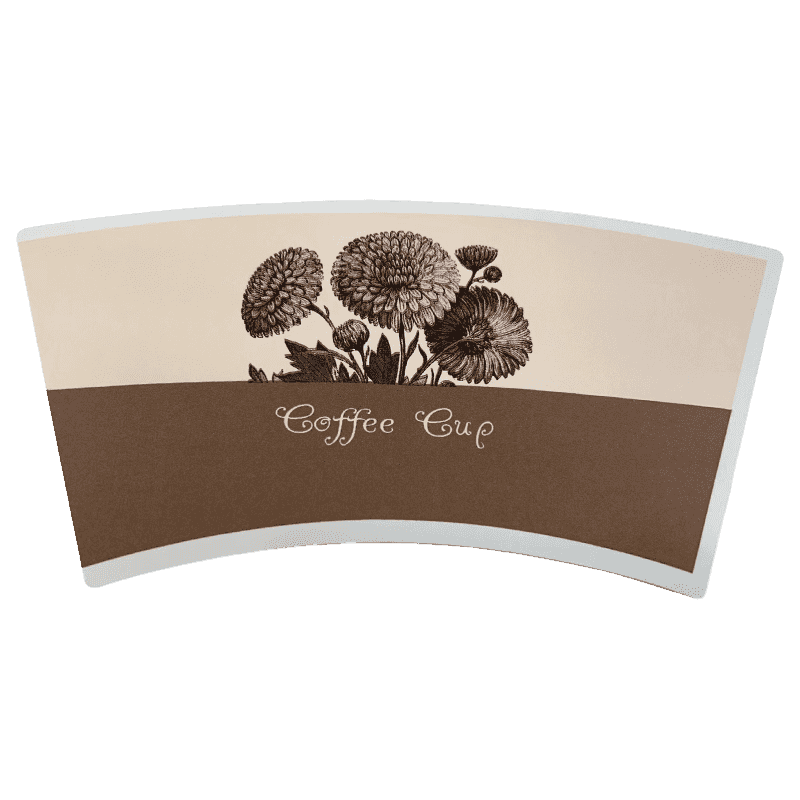
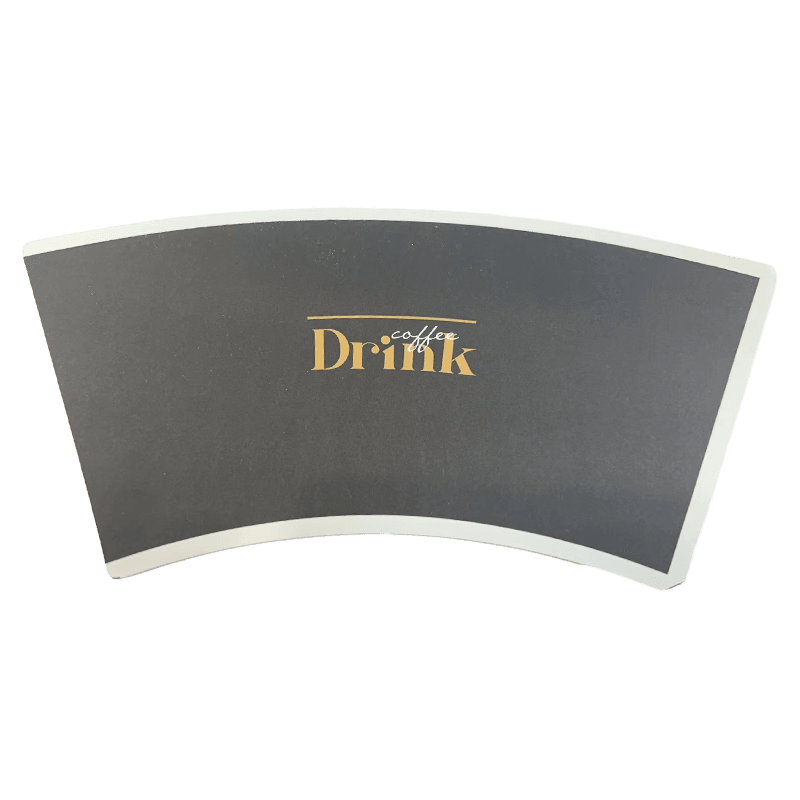
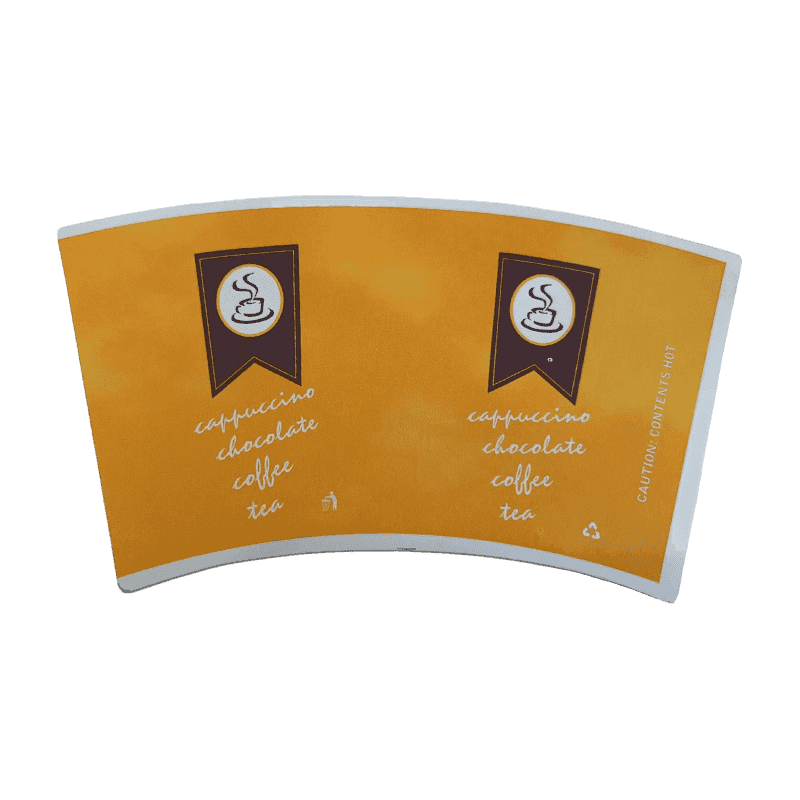
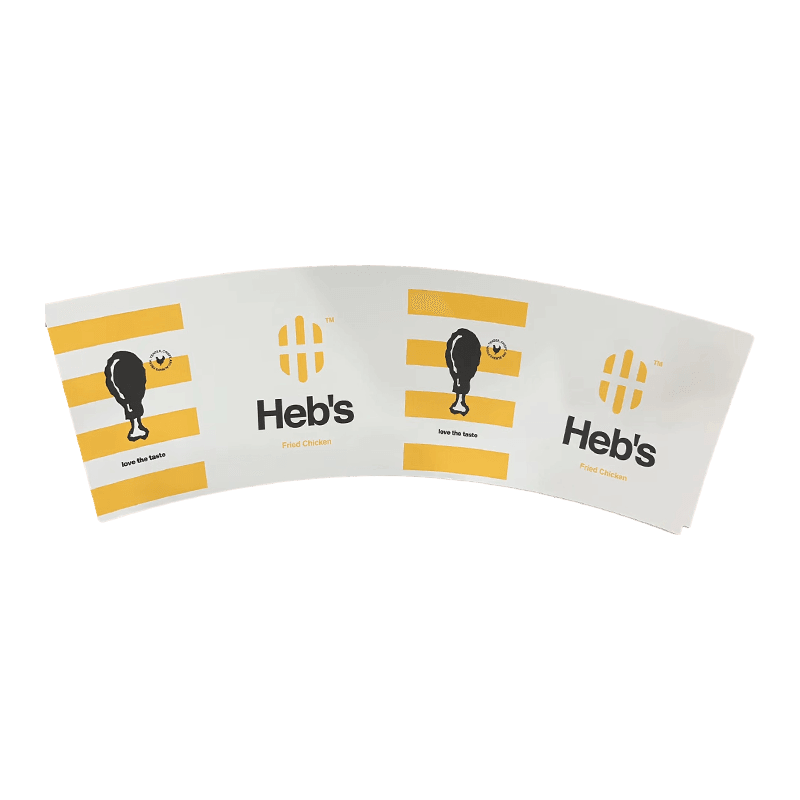
- Custom printing options for branding purposes in commercial settings.
Proper Handling and Storage
To maintain the integrity of PE foam cups, correct handling and storage are essential. Improper storage can lead to deformation, moisture absorption, or contamination.
- Store in a cool, dry area away from direct sunlight.
- Keep the cups in their original packaging until use to prevent dust accumulation.
- Avoid stacking too many cups to prevent crushing or bending.
- Handle with clean hands or gloves to maintain hygiene standards.
Environmental Considerations
Although PE foam cups are disposable, their environmental impact depends on recycling and disposal practices. Polyethylene foam can be recycled but is not biodegradable. Encouraging proper disposal and recycling programs can reduce the environmental footprint.
Some industries are exploring alternatives like biodegradable coatings or combining PE foam with recyclable materials to reduce waste. Users can also minimize environmental impact by reusing cups where safe or participating in local recycling initiatives.
Comparison with Other Disposable Cups
Understanding how PE foam cups compare to paper and plastic cups can help businesses choose the best option for their needs.
| Feature | PE Foam Cups | Paper Cups | Plastic Cups |
| Insulation | Excellent | Moderate | Low |
| Durability | High | Moderate | Low |
| Cost | Affordable | Moderate | Low |
| Environmental Impact | Moderate (recyclable) | Better (biodegradable) | High (non-biodegradable) |
Best Practices for Businesses
For cafes, restaurants, or catering services, selecting and using PE foam cups efficiently can improve customer satisfaction and reduce waste:
- Choose cup sizes that match typical beverage servings to avoid overuse.
- Use insulated lids to enhance temperature retention and prevent spills.
- Provide clear recycling instructions to customers to promote eco-friendly practices.
- Regularly inspect cups for defects, ensuring consistent quality for client satisfaction.
Conclusion
PE foam cups are a practical, durable, and versatile choice for serving beverages in both commercial and personal settings. By understanding their benefits, proper usage, and environmental considerations, users can make informed decisions that balance convenience, cost, and sustainability.