English
 中文简体
中文简体 عربى
عربىWhat Disposable Paper Cups Are Actually Made Of
At their core, disposable paper cups are not simply made of paper. Every cup that leaves our production line is a composite structure — a base layer of food-grade paperboard combined with a functional inner coating that determines whether the cup can hold hot coffee, iced drinks, or both without leaking or losing its shape.
The paperboard itself is typically made from virgin wood pulp, which provides the structural rigidity buyers rely on. The grammage (thickness) of this paperboard ranges widely — most standard drinking cups use paperboard in the 150–350 gsm range, with heavier weights reserved for larger-volume cups or those designed for hot beverages that need stronger insulation.
The inner coating is where the real differences between cup types begin. Three coating materials dominate the market today:
- PE (Polyethylene): The traditional standard. A thin plastic film laminated to the paper provides excellent moisture resistance at a competitive cost.
- PLA (Polylactic Acid): A bio-based plastic derived from renewable sources such as corn starch. It performs comparably to PE in most drinking applications and is compostable under industrial conditions.
- Plastic-Free (Aqueous or Dispersion Coating): The newest generation. A water-based barrier coating replaces the plastic film entirely, making the cup recyclable in standard paper streams in many regions.
The cup bottom is a separate punched disc — also coated — that is crimped and sealed to the sidewall during manufacturing. This seam is one of the most critical quality checkpoints: a poorly formed base seam is the number one cause of cup leakage in the field.
The Main Types of Disposable Paper Cups and Their Differences
Buyers often underestimate how much variation exists within the category of "paper cups." Choosing the wrong type for your application leads to complaints, waste, and unnecessary cost. Here is a practical breakdown of the types we produce and the situations each is best suited for.
Hot and Cold Drink Cups (Single-Wall)
Single-wall cups are the most widely used format globally. They account for the majority of disposable cup consumption in offices, quick-service restaurants, and convenience stores. A single-wall cup with a PE or PLA coating handles beverages up to approximately 95°C (203°F) without structural failure, though the outer surface will feel warm to the touch. For this reason, single-wall cups are commonly paired with a corrugated sleeve when serving hot coffee or tea.
Foam Cups (Double-Wall with Air Gap)
Foam cups — also called ripple-wall or air-pocket cups — feature an outer layer of corrugated or embossed paper bonded to the inner cup wall. This creates an insulating air gap that reduces external surface temperature by 20–30°C compared to a single-wall cup holding the same beverage. They eliminate the need for a separate sleeve, which reduces per-serve cost in high-volume environments like stadium concessions or hospital cafeterias. Available in PE, PLA, and plastic-free coated formats.
Kraft Paper Cups
Kraft cups use unbleached brown paperboard as the base material rather than white-coated board. The natural brown appearance has become strongly associated with eco-conscious branding and artisan coffee culture. Functionally, kraft cups perform identically to their white counterparts — the differentiation is aesthetic. Many specialty coffee brands and organic food retailers specify kraft cups specifically to communicate sustainability values to their customers.
Choosing Between PE, PLA, and Plastic-Free Coated Cups
| Criteria | PE Coated | PLA Coated | Plastic-Free Coated |
|---|---|---|---|
| Hot Beverage Performance | Excellent | Excellent | Good |
| Cold Beverage Performance | Excellent | Excellent | Excellent |
| Compostability | Not compostable | Industrial compost only | Home & industrial compost |
| Paper Recyclability | Requires specialist facility | Requires specialist facility | Standard paper stream (many regions) |
| Relative Unit Cost | Lowest | Moderate | Moderate–Higher |
| Regulatory Compliance Risk | Growing (EU, UK SUP rules) | Low–Medium | Low |
If you are sourcing for markets in the European Union or United Kingdom, it is worth noting that several member states have already implemented or are planning restrictions on single-use plastics that could affect PE-coated cup acceptance. Procurement decisions made today should factor in a 3–5 year regulatory horizon, not just current pricing.
We manufacture the full range of these cup types across our disposable paper cup product line, including PE, PLA, and plastic-free coated options in both standard white and kraft finishes.
Understanding Cup Sizes and Capacity Standards
Paper cup sizing is quoted in fluid ounces (oz) in most global trade, though actual fill volumes vary depending on the cup's rim diameter and the degree of filling. A 12 oz cup does not necessarily hold a full 12 oz when filled to the brim — most operators fill to 90–95% of rated capacity to prevent spillage, meaning effective serve volume is closer to 10.8–11.4 oz.
The most commonly ordered sizes across our customer base break down as follows:
- 4–6 oz: Espresso, water stations, sampling cups. Common in offices and healthcare environments.
- 7–9 oz: Standard drip coffee, tea, small cold drinks. The most versatile range for general foodservice.
- 10–12 oz: Medium coffee formats, fountain drinks. Dominant in quick-service restaurants and convenience retail.
- 16–22 oz: Large cold drinks, smoothies, specialty coffee. High-margin serve sizes in coffee shops and stadiums.
One practical consideration buyers sometimes overlook: lid compatibility. Cup rim diameters are not standardized across all manufacturers. Before placing a large cup order, confirm that the rim diameter matches the lid specification already in use in your operation. Switching cup suppliers without checking this detail has caused operational disruptions for more than a few foodservice procurement teams.
How Paper Cups Are Manufactured: A Process Overview
Understanding the production process helps buyers assess quality claims more critically. The manufacturing of a paper cup involves several sequential steps, each with its own quality control checkpoints.
- Coated paperboard production: Virgin wood pulp is formed into paperboard rolls, then coated with PE, PLA, or a plastic-free barrier on the food-contact side. Some cups receive a secondary coating on the outer surface for print quality or additional moisture resistance.
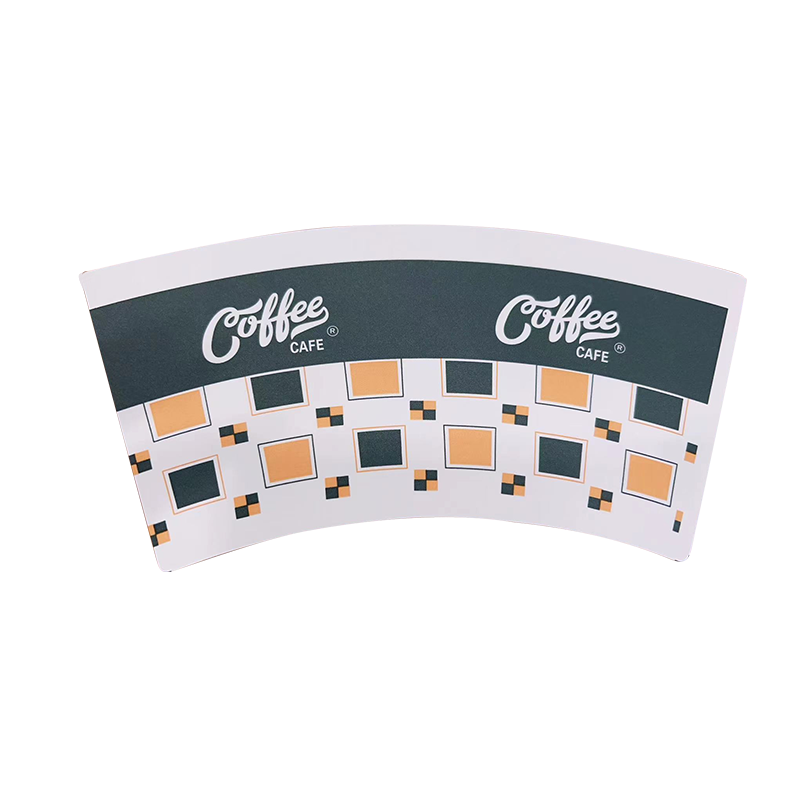
- Printing: The flat paperboard is printed with branding or designs using food-safe inks before forming. Flexographic and offset printing are both used, with offset typically offering higher resolution for complex brand graphics.
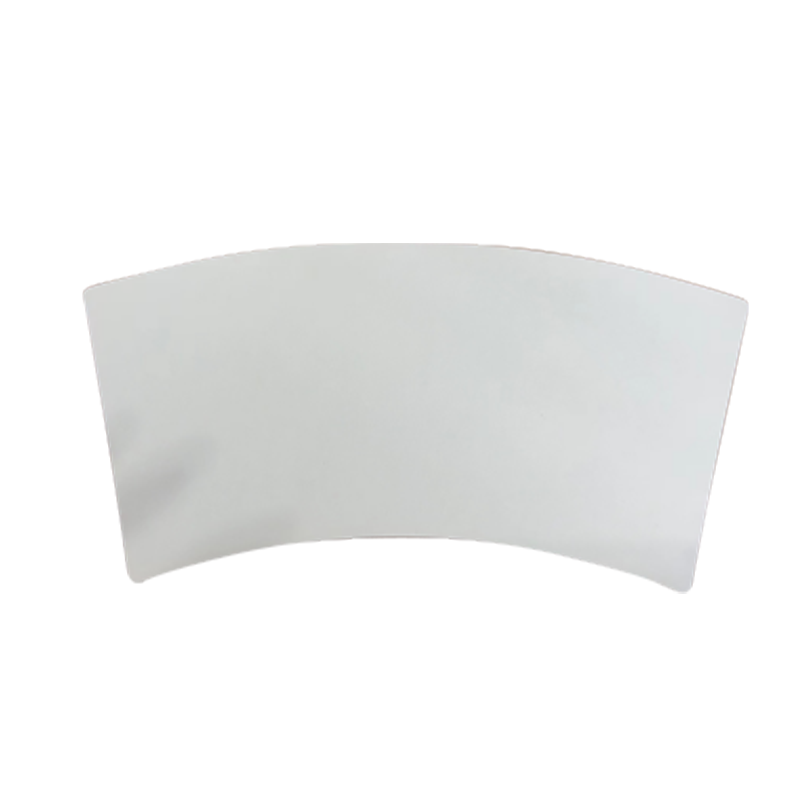
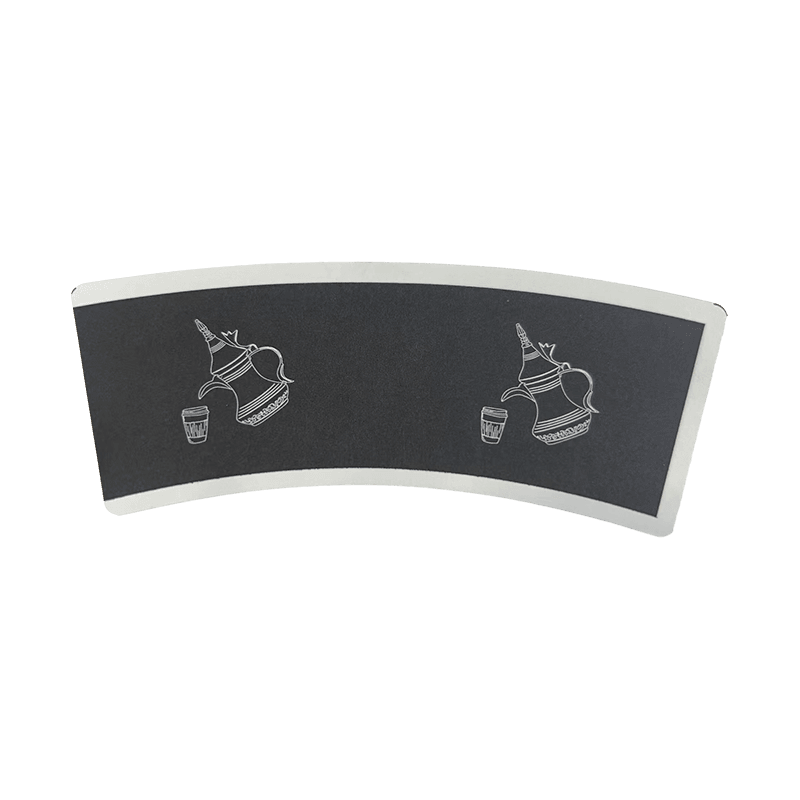
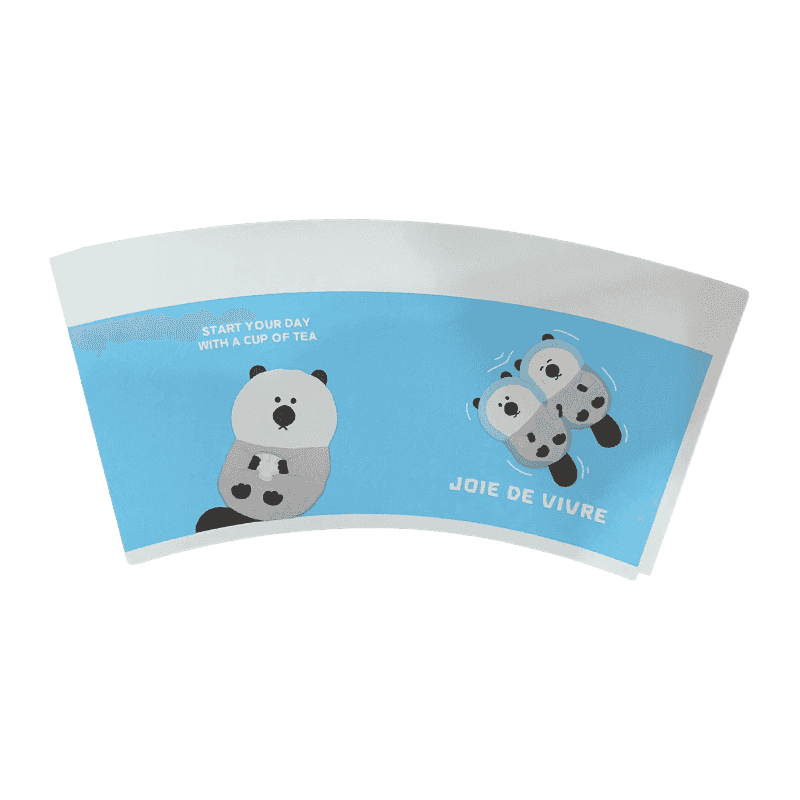
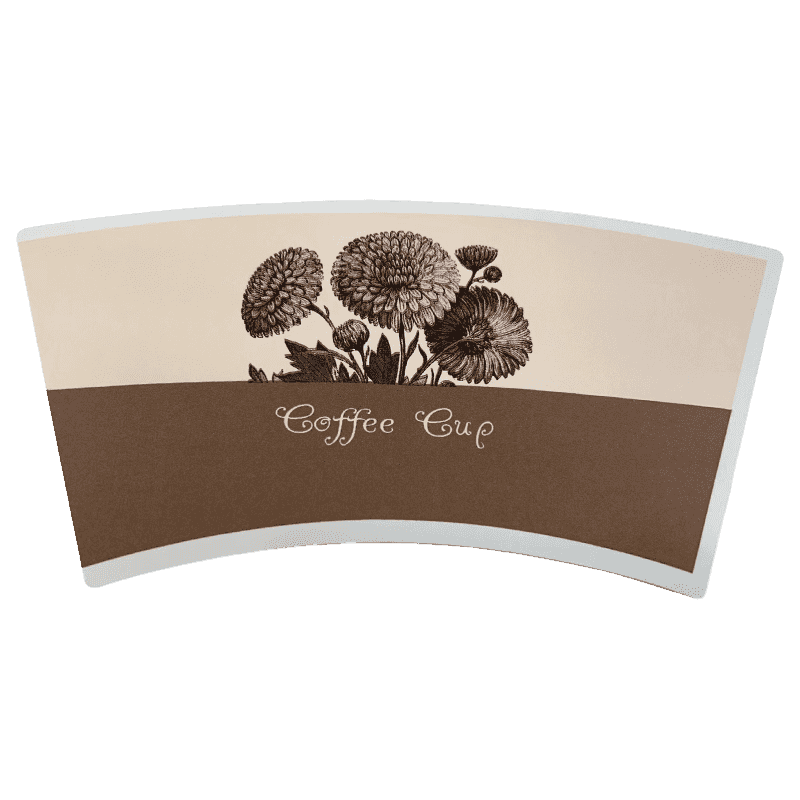
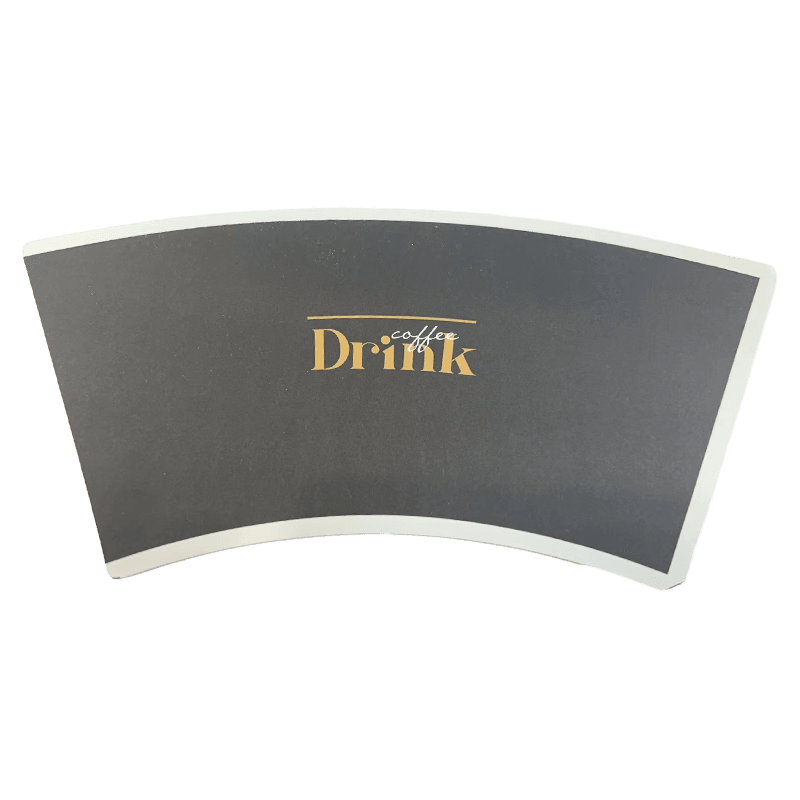
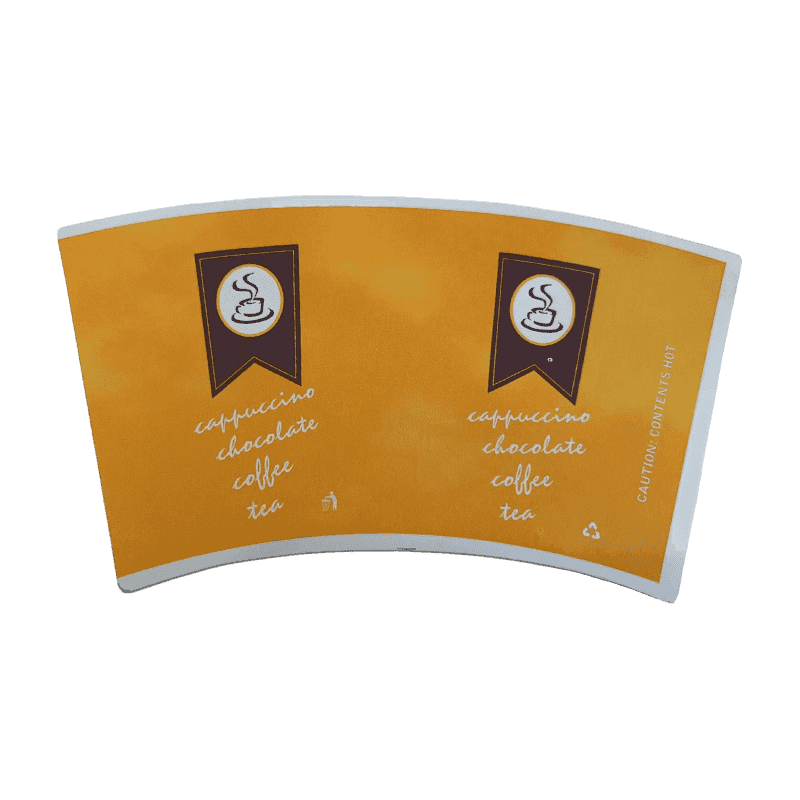
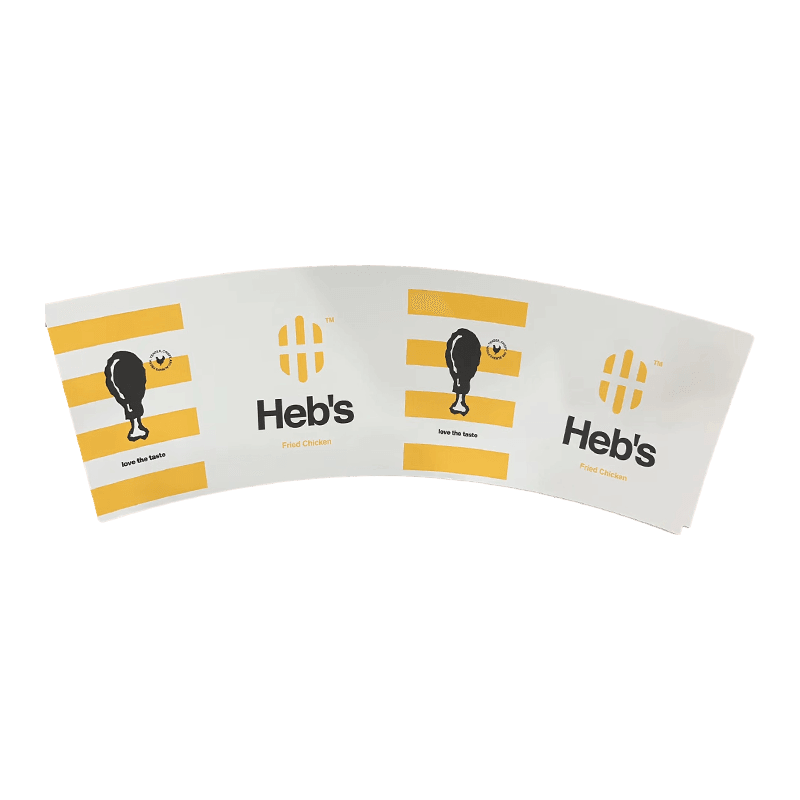
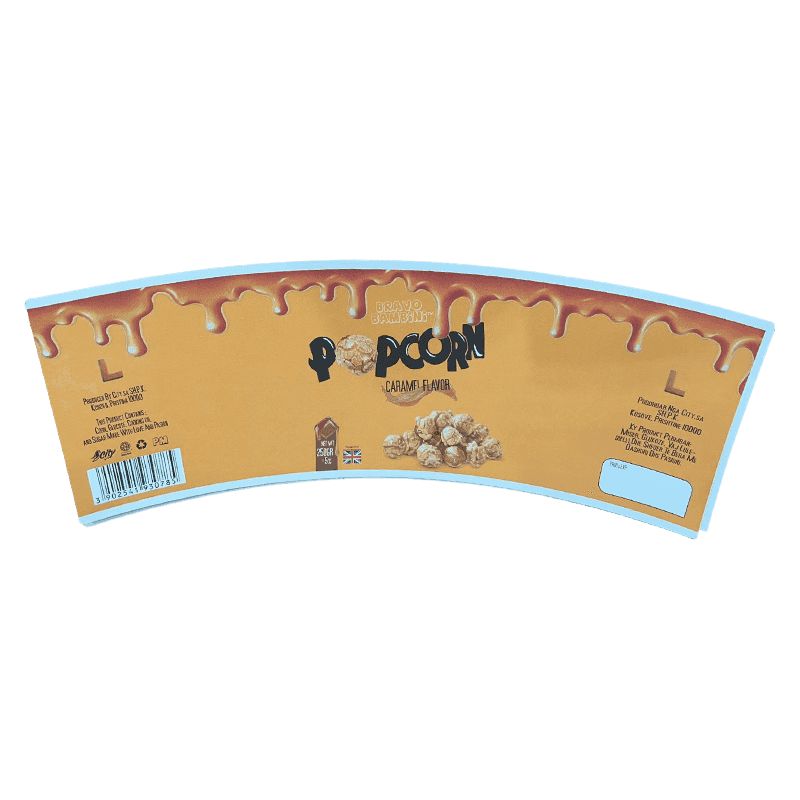
- Die-cutting (fan formation): The printed, coated sheet is die-cut into fan-shaped blanks — the sidewall of the cup when rolled. These are called "paper cup fans" and can be supplied as a semi-finished component to cup-forming operations.
- Cup forming: The fan blank is rolled into a cone and heat-sealed along the vertical seam. The cup bottom disc is simultaneously crimped and ultrasonically or heat-sealed to the base. Forming machines typically run at 80–200 cups per minute depending on cup size and machine generation.
- Curling and inspection: The rim is curled outward (to accept a lid and provide structural rigidity), and finished cups pass through automated vision inspection before packaging.
For buyers who operate their own cup-forming facilities or who want to evaluate upstream supply chain options, we also supply paper cup fans as a separate product — the pre-cut, pre-printed sidewall blanks ready for forming.
Key Quality Indicators When Evaluating Disposable Paper Cups
Not all paper cups perform equally, even at the same price point. These are the quality dimensions that matter most in practical use and that we test rigorously in our own production.
Leak Resistance
A cup that leaks within minutes of filling is the most obvious and costly quality failure. Leak resistance depends on the integrity of the base seam, the completeness of the coating layer, and the absence of pinholes or micro-tears in the paperboard. We test every production batch using a water-holding test at minimum 15 minutes at rated temperature before cups are approved for shipment.
Compression Strength
Compression strength determines whether a filled cup maintains its shape when gripped normally by a consumer. A cup that collapses or distorts under a normal grip force (typically 10–15 N for standard-wall cups) will generate immediate customer complaints in any foodservice setting. Compression strength is primarily a function of paperboard grammage and forming quality.
Print Quality and Ink Adhesion
For branded cups, print quality is a brand asset, not just an aesthetic preference. Inks that crack at the vertical seam, fade in condensation, or offset onto stacked cups are a visible representation problem for the buyer's brand. Food-safe, moisture-resistant inks applied to a properly primed coating surface will not exhibit these failures under normal use conditions.
Food Safety Certification
All materials in a food-contact paper cup — paperboard, coating, adhesives, and inks — must comply with applicable food safety regulations. The relevant standards vary by destination market: FDA 21 CFR for the United States, EU Regulation 10/2011 for plastic materials in food contact in Europe, and equivalent national standards in other markets. Buyers sourcing internationally should request written compliance documentation, not just verbal assurances.
Customization Options: What Is Realistically Possible
Customization is one of the primary reasons buyers choose to work directly with a manufacturer rather than a distributor. The range of options is broader than most buyers initially expect.
- Custom printing: Full-color branding on the cup sidewall. Minimum order quantities for custom print runs typically start at 50,000–100,000 cups per design, though this varies by manufacturer and cup size.
- Cup dimensions: Rim diameter, base diameter, and cup height can all be specified to match existing lid and sleeve inventory or to create a proprietary cup format.
- Coating material selection: PE, PLA, or plastic-free coated, with specified coating weight (in gsm) on inner and outer surfaces.
- Paperboard type: White SBS (Solid Bleached Sulfate) or natural kraft, at specified grammage.
- Cup wall format: Single-wall, foam/ripple-wall double construction, or fan-only supply for buyers with their own forming equipment.
The most common mistake we see in custom cup projects is buyers finalizing a print design before confirming the die line. The curved surface of a cup sidewall distorts flat artwork in ways that are not immediately intuitive — circular logos elongate, and text near the base can become compressed. Always request a pre-production physical sample or digital mockup on the actual die-line template before approving artwork for production.
For buyers who require the base material layer rather than finished cups, we also supply coated paper rolls and sheets — including PE, PLA, and plastic-free coated formats — for customers who convert in-house or supply other manufacturers.
Sustainability: What the Claims Actually Mean
Sustainability claims in the disposable cup market are widespread, but they are not all equivalent. As a manufacturer, we think it is important to be precise about what different product claims actually mean in practice.
"Biodegradable" vs "Compostable"
These two terms are often used interchangeably in marketing but have meaningfully different implications. Biodegradable simply means the material will eventually break down — a timescale that could be decades for plastics in a landfill. Compostable is the more useful and regulated claim: it specifies that the material will break down within a defined timeframe (typically 12 weeks in industrial composting, or 6 months in home composting conditions) into non-toxic residues. PLA-coated cups are certified compostable under industrial conditions (EN 13432 / ASTM D6400); plastic-free coated cups can achieve home compostability certification depending on the specific coating formulation.
"Recyclable" in Practice
A cup being technically recyclable and a cup being practically recycled in your destination market are two different things. PE-coated and PLA-coated cups require specialist facilities to separate the plastic film from the paper fibre — these facilities exist in limited locations globally. Plastic-free coated cups can enter standard paper recycling streams in markets where this has been verified, making them the most practically recyclable option available today. Before making recyclability a selling point in your own marketing, verify the end-of-life infrastructure available to your actual customers.
Virgin Pulp vs Recycled Fibre
Food-contact regulations in most markets prohibit or heavily restrict the use of recycled paper fibre in the food-contact layer of disposable cups, due to potential contamination from inks, adhesives, and other materials in the recycled stream. The vast majority of food-grade paper cups use virgin pulp for the food-contact layer. Claims of "made from recycled content" in cups typically refer to non-food-contact outer layers only, and should be scrutinised carefully. Sourcing virgin pulp from certified-sustainable forestry programmes (FSC, PEFC) is the more reliable path to a genuine environmental credential at the raw material level.
Practical Buying Guide: How to Specify and Source Disposable Paper Cups
Whether you are placing your first large-volume order or reviewing an existing supplier relationship, the following checklist reflects the specification points that matter most.
- Define your application first. Hot only, cold only, or both? Single-use or multi-serve? Indoor or outdoor environment? These answers drive coating choice and paperboard weight.
- Specify coating type and confirm food safety documentation. Request the relevant compliance certificates (FDA, EU, or equivalent) in writing before contracting.
- Confirm rim diameter against your existing lid and sleeve inventory. Rim diameter is almost always the critical dimensional parameter.
- Request a physical pre-production sample. Evaluate leak resistance, compression feel, and print quality before approving full production.
- Understand the minimum order quantity and lead time structure. Standard (non-custom) cups typically ship in 2–4 weeks; custom-printed runs may require 4–8 weeks from artwork approval.
- Assess the end-of-life claims against your market's actual infrastructure. Do not assume compostable or recyclable claims translate directly into consumer-accessible disposal options.
- Factor in regulatory trajectory. If you are supplying EU or UK markets, review the current status of single-use plastics legislation annually — the landscape is still evolving.
As a direct manufacturer with over 100 pieces of production equipment and a dedicated testing laboratory, we work with buyers from initial specification through to delivery. If you are evaluating suppliers or looking for a manufacturer who can produce to your exact requirements in PE, PLA, or plastic-free coated formats, we encourage you to explore our full range of disposable paper cups or contact us directly to discuss your project.