English
 中文简体
中文简体 عربى
عربىWhat Is PLA Coated Paper
PLA coated paper is a paper-based material laminated with a thin layer of polylactic acid, a bioplastic derived from renewable plant sources such as corn starch or sugarcane. Unlike conventional plastic coatings made from polyethylene or polypropylene, PLA is bio-based and can be composted under industrial conditions. The coating gives the paper moisture resistance, grease resistance, and structural integrity, making it functional for food service and packaging applications while offering a more environmentally aligned alternative to petroleum-based laminates.
The bottom line is this: PLA coated paper performs similarly to PE coated paper in many everyday uses, but its end-of-life pathway is fundamentally different, provided proper composting infrastructure is available.
How PLA Coating Is Applied to Paper
The manufacturing process involves extruding molten PLA resin onto a paper substrate using a process called extrusion coating. The PLA is heated to approximately 180 to 200 degrees Celsius, at which point it becomes fluid enough to be spread evenly across the paper surface. Once cooled, it bonds firmly to the paper fiber layer.
Coating weights typically range from 10 to 30 grams per square meter, depending on the intended application. A thinner coating of around 12 gsm may be used for dry bakery packaging, while heavier coatings closer to 25 gsm are used for hot beverage cups or containers that need to hold liquids for extended periods.
Some manufacturers apply PLA to both sides of the paper for enhanced liquid resistance, particularly in takeout containers and soup bowls. Single-sided coating is more common for wraps, bags, and trays where only one face contacts food or moisture.
PLA Coated Paper vs Other Coated Papers
Understanding how PLA compares to other coating materials helps in making informed purchasing or design decisions. The three most common alternatives are polyethylene, wax, and aqueous coatings.
| Property | PLA Coated | PE Coated | Wax Coated | Aqueous Coated |
|---|---|---|---|---|
| Material Source | Plant-based | Petroleum | Petroleum or plant | Water-based polymers |
| Moisture Resistance | Good | Excellent | Moderate | Low to moderate |
| Heat Resistance | Up to 50 to 55 C | Up to 80 to 90 C | Low | Moderate |
| Compostability | Industrially compostable | Not compostable | Varies by formulation | Sometimes recyclable |
| Recyclability | Difficult in most facilities | Difficult | Difficult | Sometimes recyclable |
| Cost Relative to PE | 20 to 40 percent higher | Baseline | Similar or lower | Similar or lower |
The data shows that PLA coated paper sits in a middle ground: better environmental credentials than PE coated paper in terms of raw material origin, but with real-world limitations around heat resistance and end-of-life processing that buyers should not overlook.
Common Applications of PLA Coated Paper
PLA coated paper has found a firm foothold in food service and packaging. Its combination of paper aesthetics, moisture resistance, and bio-based credentials makes it attractive across several categories.
Food Service and Takeout Packaging
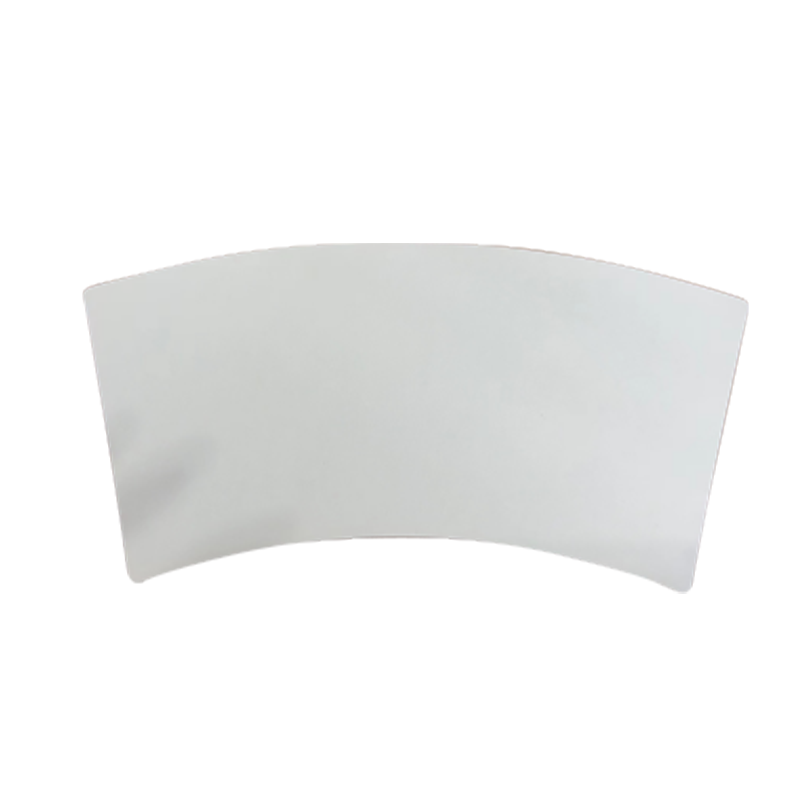
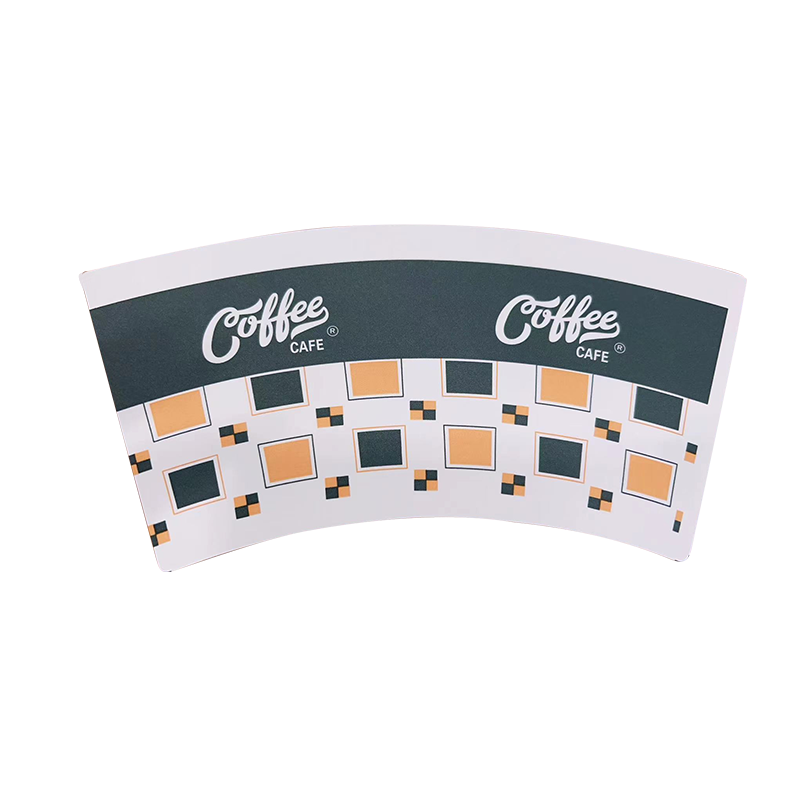
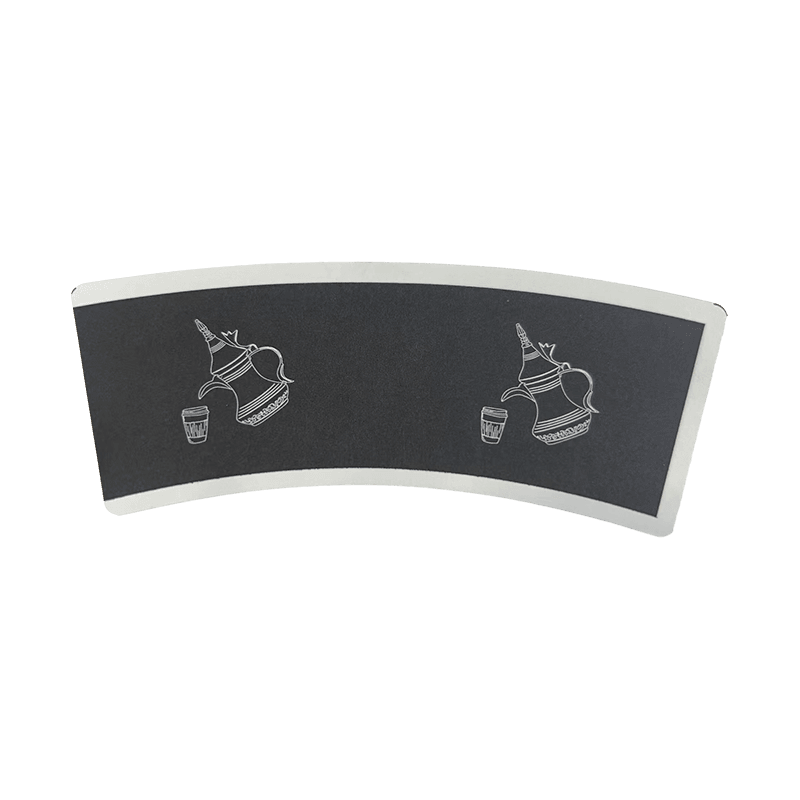
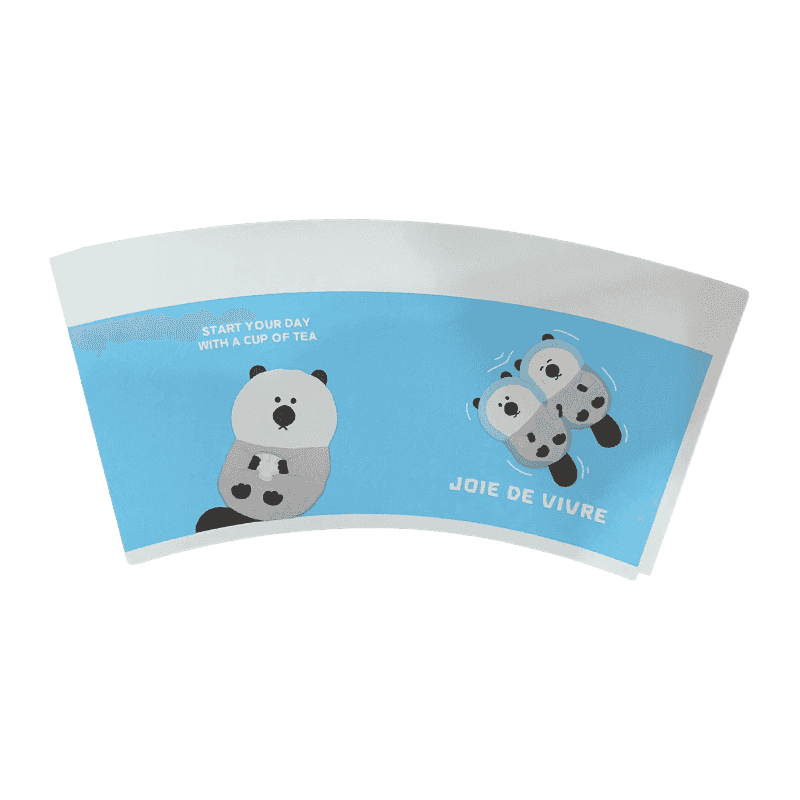
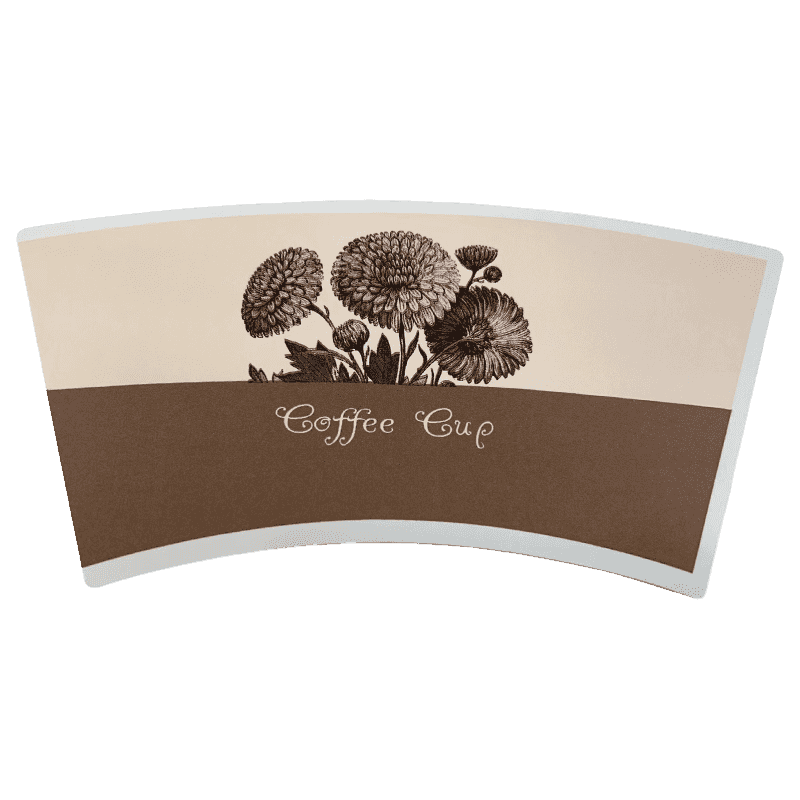
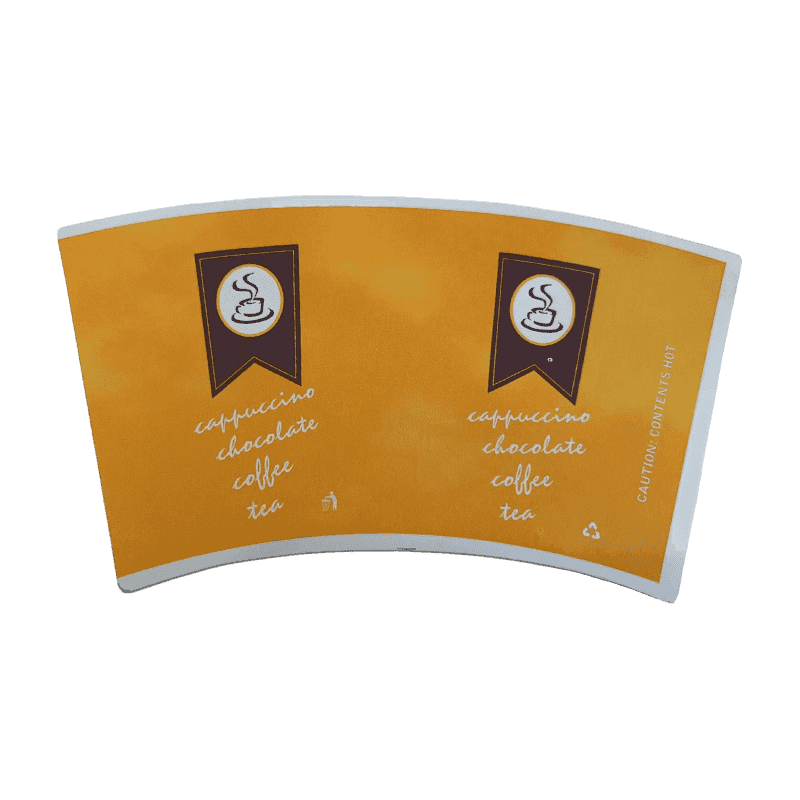
This is the largest application segment. PLA coated paper is used for hot and cold beverage cups, sandwich wraps, burger wrappers, salad bowls, and takeout boxes. Many quick-service restaurants and cafes have shifted toward PLA-lined cups as part of sustainability commitments. A single-wall coffee cup typically uses a 15 to 18 gsm PLA inner coating to prevent leakage without compromising the paperboard structure.
Bakery and Confectionery Packaging
Grease-resistant PLA coated paper is used for muffin cases, pastry boxes, and deli paper. It prevents fat and oil migration that would otherwise compromise the appearance and structural integrity of the packaging. A grease resistance rating of KIT 5 or higher is typical for these applications.
Retail and Consumer Goods Packaging
Beyond food, PLA coated paper is used in cosmetic packaging, seed packets, and specialty retail bags where a paper look combined with some moisture protection is required. The coating can accept print well, making it suitable for branded packaging that also communicates environmental values.
Agricultural and Horticultural Uses
PLA coated paper is increasingly used in nursery pots, seed trays, and mulch coverings. Because PLA breaks down under composting conditions, these products can sometimes be planted directly into the ground or composted with the contents, reducing handling and waste.
Key Performance Properties to Know
For buyers and product developers evaluating PLA coated paper, the following technical properties are the most decision-relevant:
- Moisture vapor transmission rate (MVTR): A well-applied PLA coating achieves an MVTR of around 10 to 20 g per square meter per day, which is sufficient for most dry-to-moderate moisture applications but not ideal for long-term cold storage.
- Heat seal strength: PLA coated paper can be heat-sealed at temperatures between 120 and 160 degrees Celsius, allowing it to work with standard sealing equipment used in most packaging lines.
- Grease resistance: Depending on the formulation, PLA coatings can reach a KIT rating between 4 and 8, covering most food contact scenarios.
- Print compatibility: PLA coated surfaces accept flexographic, digital, and offset printing well, with good ink adhesion when surface energy is managed correctly.
- Clarity and surface finish: PLA naturally produces a semi-gloss to glossy finish, which enhances print brightness and gives a clean, modern appearance to packaging.
Compostability: What the Claims Really Mean
One of the most misunderstood aspects of PLA coated paper is what compostable actually means in practice. PLA does not decompose in a home compost bin or in natural outdoor environments within any reasonable timeframe. It requires industrial composting conditions, specifically sustained temperatures above 58 degrees Celsius for a period of at least 12 weeks, to break down properly.
Certified compostable PLA products are assessed against standards such as EN 13432 in Europe or ASTM D6400 in North America. Products carrying these certifications have been verified to disintegrate and biodegrade under industrial composting conditions without leaving harmful residues.
The practical implication is significant: if PLA coated paper ends up in a general landfill or regular recycling stream, it behaves much like conventional plastic in terms of longevity. The environmental benefit is only realized if the correct composting infrastructure exists and the product reaches an industrial composting facility. In many regions, that infrastructure is still limited, which is a genuine constraint buyers should factor into their sustainability assessments.
Limitations and Challenges
PLA coated paper has real advantages, but it also has limitations that can affect its suitability for certain applications.
- Low heat tolerance: PLA softens at around 50 to 55 degrees Celsius. This means it is not suitable for oven use and can deform if exposed to high ambient temperatures during storage or transport, such as in vehicles during summer.
- Recycling contamination: Most paper recycling facilities cannot process PLA coated paper because the PLA layer does not separate cleanly from fiber during the pulping process, potentially contaminating recycled paper batches.
- Higher cost: PLA resin is typically 20 to 40 percent more expensive per kilogram than polyethylene, and this cost differential flows through to finished product pricing.
- Moisture sensitivity during storage: Unlike PE, PLA is susceptible to hydrolysis over time. Improperly stored PLA coated paper in humid environments can experience coating degradation before it even reaches end use.
- Limited composting access: As noted above, the compostability benefit is only accessible through industrial composting, which is not universally available, limiting the real-world environmental benefit for many consumers.
How to Select the Right PLA Coated Paper for Your Application
Choosing the right grade requires matching product specifications to the demands of your application. Here is a practical checklist of factors to evaluate:
- Identify the moisture and grease exposure level. Cold salads need moderate grease resistance; hot soups require high moisture resistance. Match the coating weight and formulation to the actual contact conditions.
- Confirm heat exposure during use. If the product will be used for hot beverages above 55 degrees Celsius for extended periods, test whether the specific PLA formulation can handle the temperature without migration or deformation.
- Check certifications. Look for EN 13432 or ASTM D6400 certification if compostability claims are important. Do not rely on terms like bio-based or eco-friendly alone, as these do not guarantee compostability.
- Assess your end-of-life pathway. If industrial composting is not accessible for your customers or operations, the compostability benefit is effectively unavailable. In that case, weigh whether the bio-based origin alone justifies the premium over conventional coatings.
- Evaluate storage and supply chain conditions. If the product will be stored in humid or warm environments before use, confirm that the PLA coating has been stabilized against premature hydrolysis.
- Request print trials if needed. Surface energy and ink adhesion vary by PLA formulation. If you require high-quality printed graphics, request a sample for testing before committing to a volume order.
The Sustainability Picture in Context
PLA coated paper occupies a genuine but nuanced position in sustainable packaging. Its bio-based origin means it is not derived from fossil fuels, which reduces dependence on petroleum resources and can lower the carbon footprint of the coating layer. Life cycle assessments of PLA production have generally found a carbon footprint reduction of 25 to 55 percent compared to conventional plastics, depending on feedstock, production method, and energy source.
However, land use, water consumption in crop cultivation, and the energy intensity of PLA processing mean the picture is not entirely clear-cut. Sustainability decisions should weigh the full life cycle rather than focusing only on the bio-based origin or end-of-life compostability.
For organizations with access to industrial composting facilities and a commitment to closing the loop on organic waste, PLA coated paper is a well-supported choice. For organizations where composting is unavailable, it may still offer a bio-based advantage, but the full environmental benefit remains theoretical rather than realized.