English
 中文简体
中文简体 عربى
عربىWhat Are Disposable Paper Cups and Why They Matter
Disposable paper cups are single-use beverage containers made primarily from paperboard with a thin plastic or bioplastic lining to prevent liquid absorption. The global disposable cups market was valued at $12.4 billion in 2023 and is projected to reach $18.2 billion by 2030, reflecting their widespread use in cafes, offices, events, and healthcare facilities. These cups offer convenience and hygiene benefits but also raise important environmental considerations that businesses and consumers must navigate carefully.
Understanding disposable paper cups involves examining their construction, applications, and lifecycle impact. Most paper cups feature a polyethylene (PE) coating that makes them waterproof but complicates recycling. However, newer alternatives using polylactic acid (PLA) or water-based coatings are emerging as more sustainable options for environmentally conscious users.
Types and Sizes of Paper Cups
Standard Size Categories
Paper cups come in various sizes designed for different beverage types and serving occasions. The most common sizes range from small espresso cups to large fountain drink containers:
| Size | Volume (oz) | Volume (ml) | Common Uses |
|---|---|---|---|
| Extra Small | 4 oz | 118 ml | Espresso, samples |
| Small | 8 oz | 237 ml | Hot coffee, tea |
| Medium | 12 oz | 355 ml | Standard coffee, soft drinks |
| Large | 16 oz | 473 ml | Large coffee, iced beverages |
| Extra Large | 20-24 oz | 591-710 ml | Fountain drinks, smoothies |
Specialized Cup Varieties
Beyond standard sizes, manufacturers produce specialized paper cups for specific purposes:
- Double-wall cups feature an extra layer of insulation, eliminating the need for sleeves and providing better heat retention for hot beverages
- Ripple-wall cups have a corrugated outer layer that creates air pockets for insulation while offering a textured grip surface
- Cold cups are designed with thinner walls and wax coatings optimized for cold beverages and ice
- Compostable cups use PLA or aqueous coatings instead of traditional PE, breaking down in commercial composting facilities within 90-180 days
Materials and Manufacturing Process
Core Components
A typical disposable paper cup consists of multiple layers working together to contain liquids effectively. The outer layer uses paperboard made from virgin or recycled wood pulp, typically weighing between 170-350 grams per square meter (gsm) depending on cup size and intended use. This paperboard provides structural integrity and serves as the printing surface for branding.
The inner coating represents the critical waterproofing element. Traditional cups use a thin polyethylene layer approximately 18-20 microns thick, applied through extrusion coating. This plastic film prevents liquid absorption but creates recycling challenges since it must be separated from paper fibers through specialized processing.
Production Steps
Manufacturing disposable paper cups involves a precise sequence:
- Paperboard sheets receive PE or PLA coating on one or both sides
- Coated sheets are printed with branding and designs using flexographic or offset printing
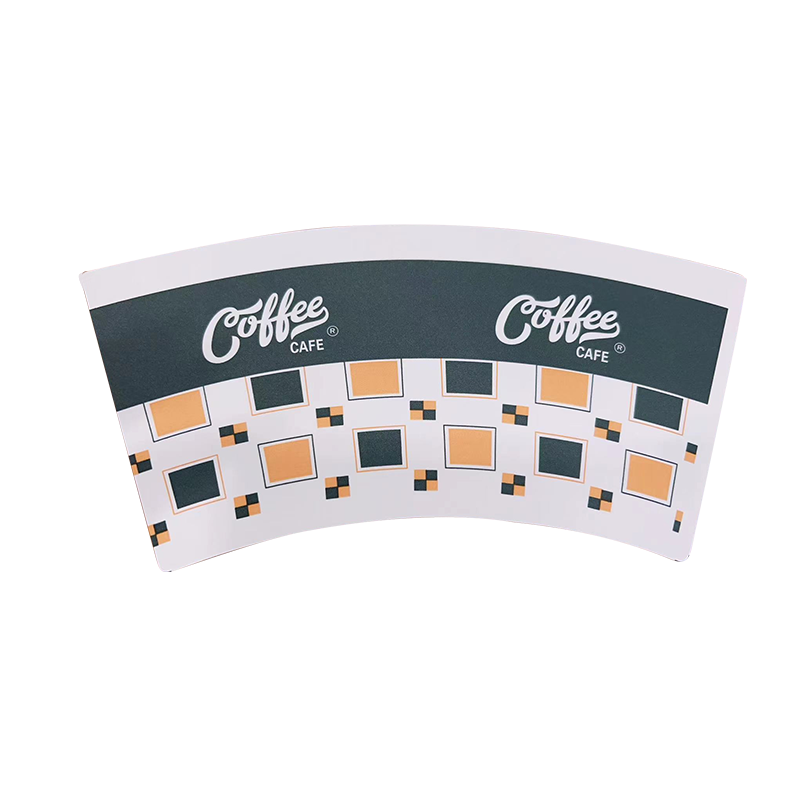
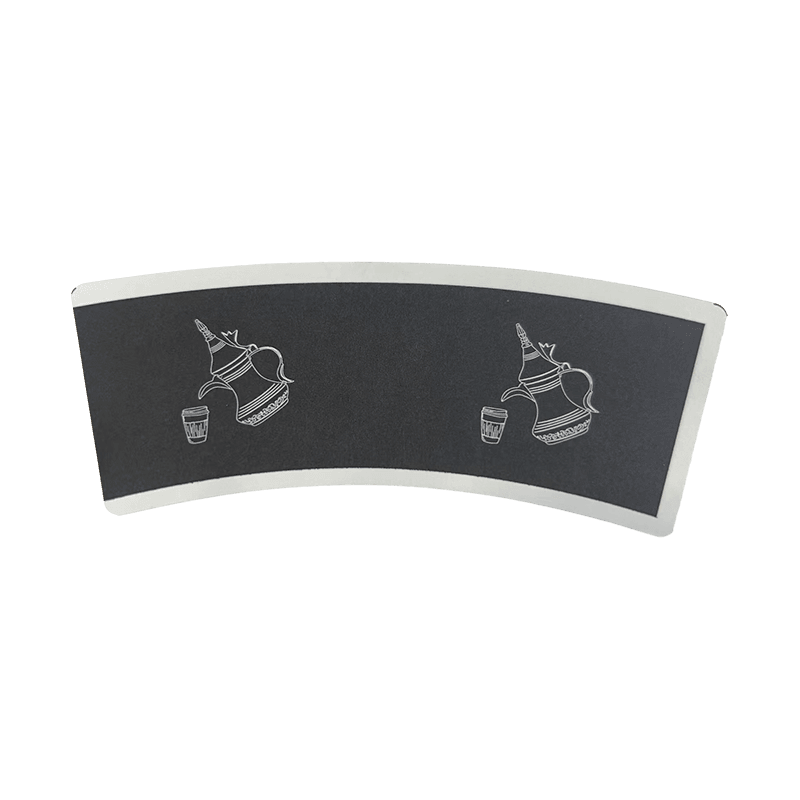
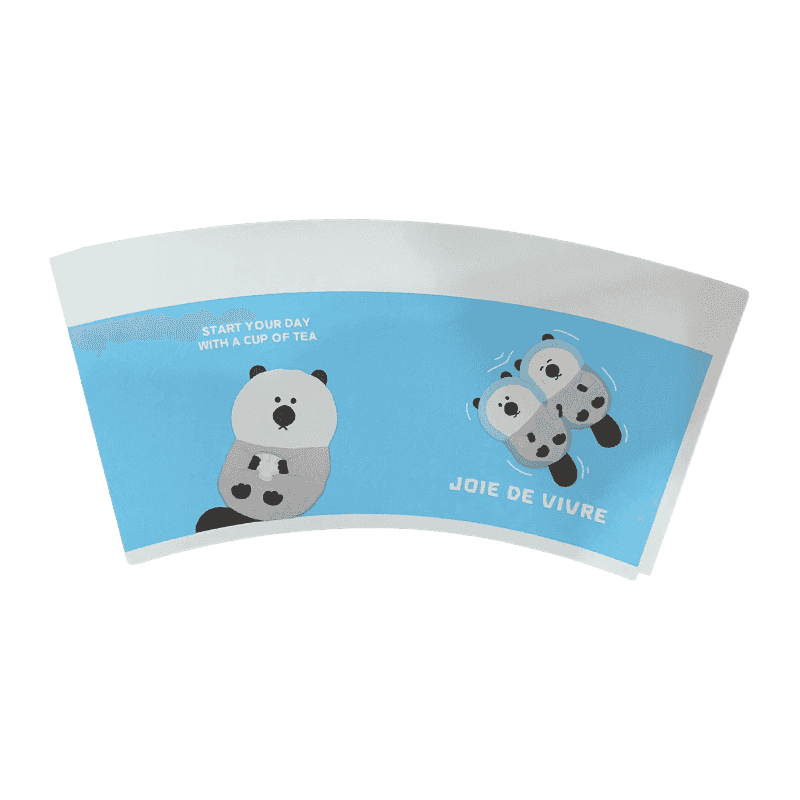
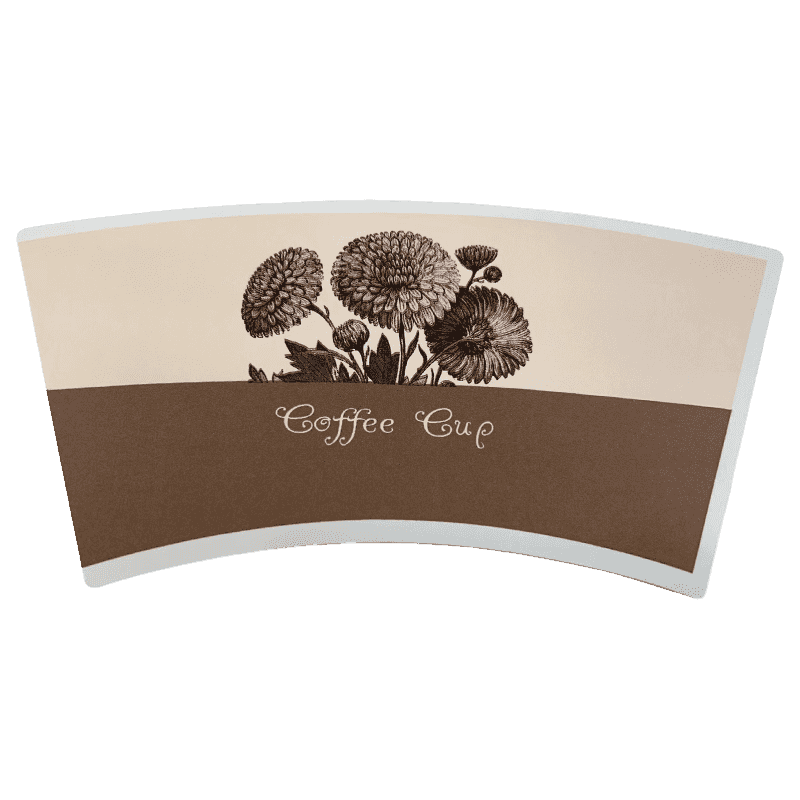
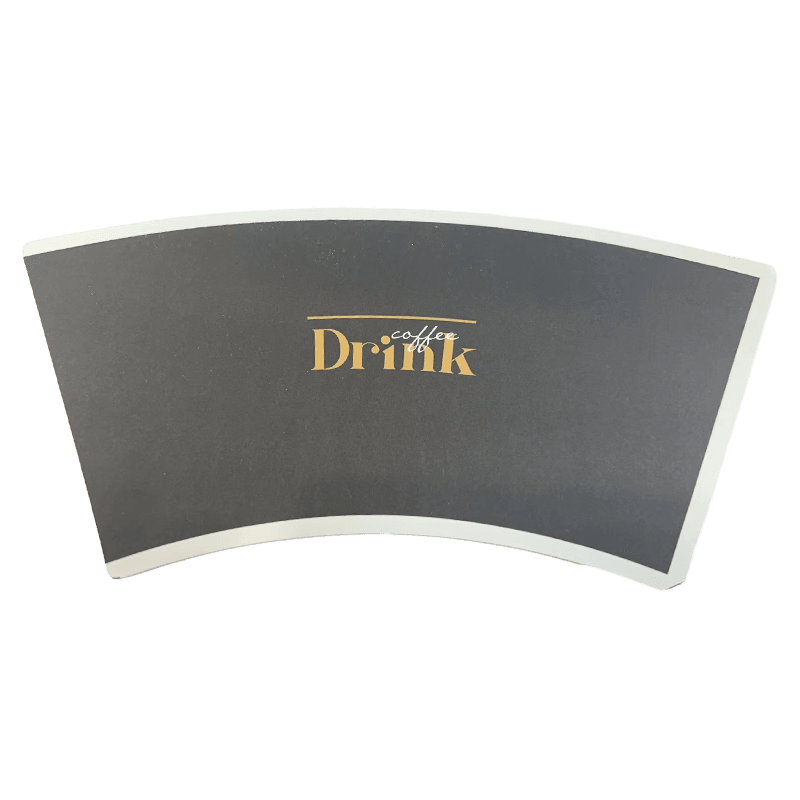
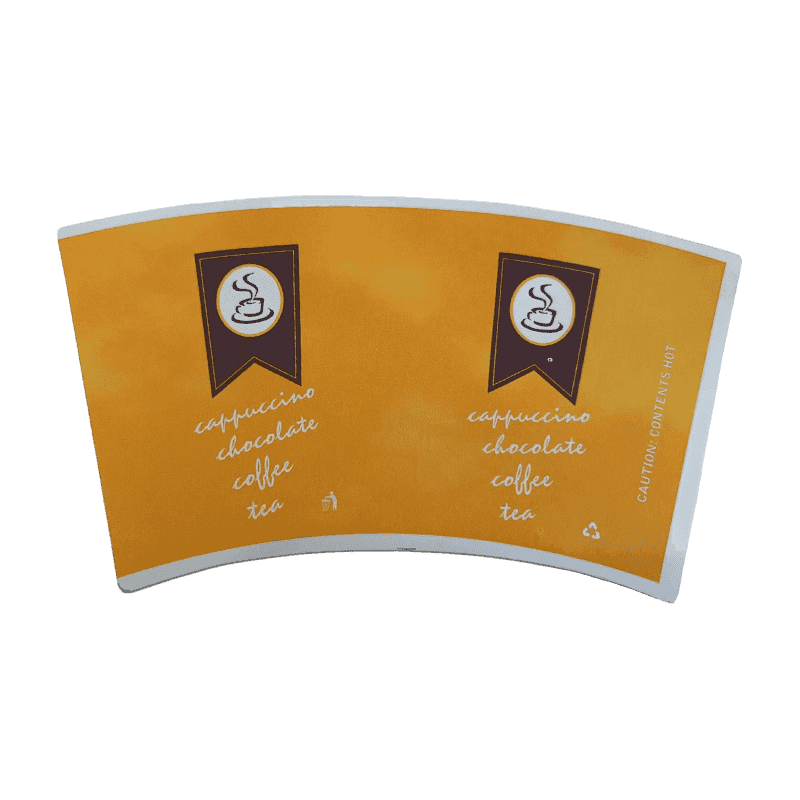
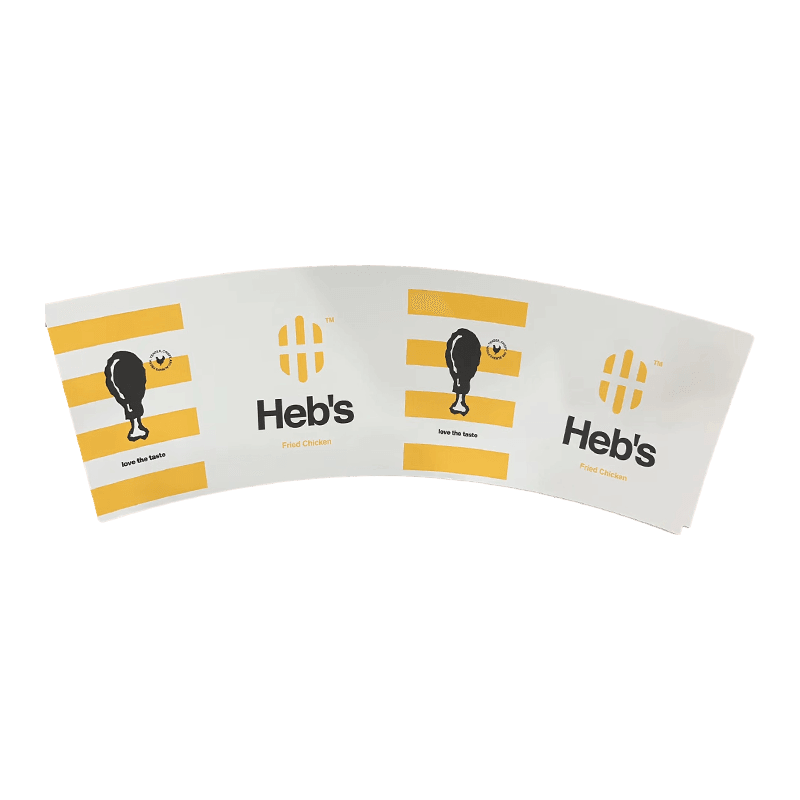
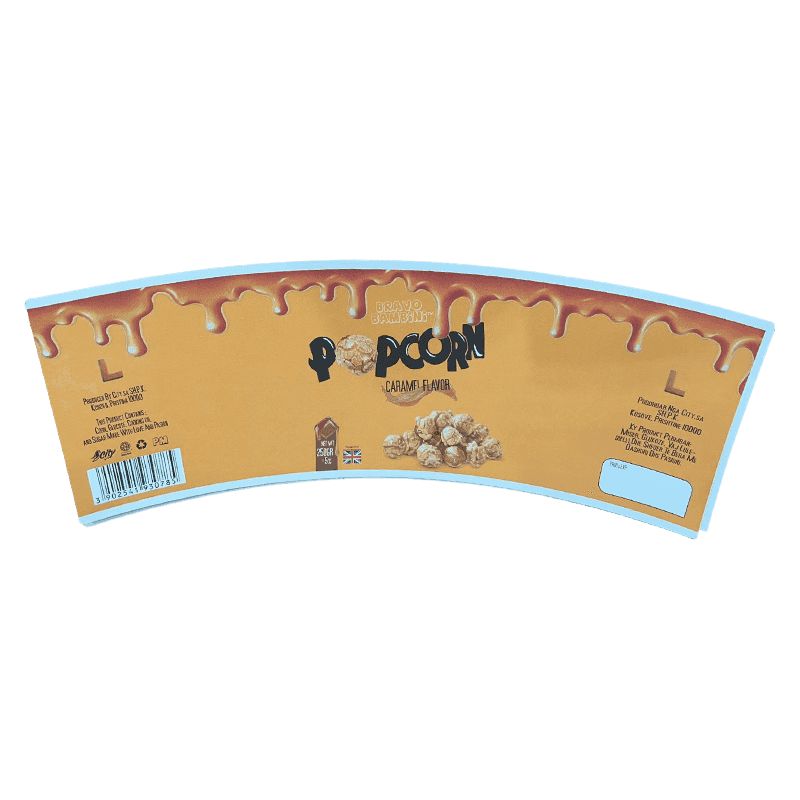
- Printed sheets are die-cut into flat cup blanks called "fan segments"
- Blanks are formed into cylinders with overlapping seams sealed using heat and pressure
- Pre-formed bases are attached and sealed to create watertight bottoms
- Rims are curled to add strength and provide a comfortable drinking edge
Modern production lines can manufacture 50-150 cups per minute, with automated quality control systems checking for defects like incomplete seals or coating gaps that could cause leaks.
Environmental Impact and Sustainability Considerations
The Recycling Challenge
Despite being primarily paper-based, disposable paper cups present significant recycling obstacles. Only 1-5% of paper cups are actually recycled in most countries, even when consumers place them in recycling bins. The polyethylene coating must be separated from paper fibers through a specialized process called "hydrapulping" that requires dedicated equipment unavailable at most standard recycling facilities.
Each year, approximately 600 billion paper cups are produced globally, with the vast majority ending up in landfills or incinerators. In landfills, PE-coated cups can take 20-30 years to decompose, releasing methane gas as the paper portion breaks down anaerobically.
Emerging Sustainable Alternatives
The industry is responding to environmental concerns through several innovations:
- PLA-lined cups use plant-based bioplastics that compost in commercial facilities, though they require temperatures of 55-60°C and typically won't break down in home compost or natural environments
- Water-based barrier coatings eliminate plastic entirely, making cups recyclable in standard paper streams and reducing environmental footprint by up to 30%
- Post-consumer recycled content cups incorporate 10-35% recycled fibers, reducing virgin material demand
- FSC-certified paperboard ensures raw materials come from responsibly managed forests
However, sustainable alternatives typically cost 15-40% more than conventional PE-coated cups, creating economic barriers for small businesses and price-sensitive operations.
Carbon Footprint Analysis
Lifecycle assessments reveal that producing 1,000 disposable paper cups generates approximately 33 kg of CO2 equivalent emissions, primarily from paperboard manufacturing and coating processes. By comparison, reusable ceramic or stainless steel cups break even after 20-50 uses, depending on washing methods and energy sources.
Practical Applications Across Industries
Foodservice and Hospitality
The foodservice industry represents the largest consumer of disposable paper cups, accounting for approximately 65% of global demand. Coffee shops, quick-service restaurants, and cafeterias rely on these cups for takeaway beverages, with major chains like Starbucks distributing over 4 billion cups annually.
For businesses, paper cups offer several operational advantages: minimal storage space compared to ceramic alternatives, no washing infrastructure requirements, reduced labor costs, and the ability to serve as mobile advertising through custom printing. A medium-sized cafe typically spends $0.08-0.15 per cup including lids, making them economically viable despite the ongoing expense.
Events and Catering
Large gatherings such as conferences, festivals, and sporting events depend on disposable cups for logistical efficiency. Event organizers favor paper cups over plastic alternatives due to better public perception and reduced risk of injury from broken glassware. A typical outdoor festival serving 10,000 attendees may use 30,000-50,000 disposable cups over a weekend event.
Healthcare Settings
Hospitals and medical facilities use disposable paper cups for medication distribution, water service to patients, and sample collection. The single-use nature prevents cross-contamination between patients, making them essential for infection control protocols. Healthcare-grade cups often feature stricter quality standards and may include measurement markings for precise dosing.
Office and Workplace
Corporate environments use disposable cups at water coolers, coffee stations, and vending areas. While some companies are transitioning to reusable cup programs, 70% of offices still primarily rely on disposables due to convenience and hygiene concerns in shared spaces.
Cost Considerations for Businesses
Price Factors and Bulk Purchasing
Disposable paper cup pricing varies significantly based on several factors including size, coating type, wall construction, customization, and order volume. Standard 12 oz PE-coated cups typically cost $0.05-0.12 per unit for bulk orders of 1,000+ units, while premium double-wall or compostable options range from $0.12-0.25 per cup.
Businesses can reduce costs through strategic purchasing:
- Ordering in cases of 1,000-2,000 cups reduces per-unit cost by 20-35% compared to smaller quantities
- Generic unprinted cups cost 30-50% less than custom-branded alternatives
- Standardizing on one or two sizes eliminates inventory complexity and may qualify for volume discounts
- Annual contracts with suppliers can lock in pricing and protect against market fluctuations
Total Cost of Ownership
Beyond purchase price, businesses should consider storage costs, waste disposal fees, and potential environmental taxes or regulations. Some jurisdictions now impose $0.10-0.25 per cup levies on disposable containers, directly impacting operational budgets and potentially making reusable programs more economically attractive.
Choosing the Right Paper Cups
Selection Criteria
Selecting appropriate disposable paper cups requires evaluating multiple factors aligned with specific operational needs:
- Beverage temperature: Hot beverages require insulated or double-wall construction, while cold drinks perform better with standard single-wall cups
- Hold time: Cups holding beverages for 30+ minutes need superior coating quality to prevent softening or leaking
- Volume accuracy: Food service operations should verify that stated sizes match actual fill capacity, as some manufacturers measure to the brim rather than practical serving volume
- Lid compatibility: Ensure cups match standard lid sizes (80mm, 90mm) or plan to purchase proprietary lids from the same supplier
- Branding requirements: Custom printing requires minimum order quantities of 10,000-50,000 units and 4-8 week lead times
Sustainability Alignment
Organizations with environmental commitments should prioritize cups certified by recognized standards. FSC certification ensures responsible forestry practices, while BPI (Biodegradable Products Institute) or TUV Austria OK Compost certification validates compostability claims. However, businesses must also verify that local waste infrastructure can actually process compostable cups, as only 25% of US municipalities offer commercial composting services.
Quality Indicators
High-quality paper cups demonstrate several characteristics: uniform coating without visible gaps, strong rim curls that resist deformation, leak-proof seams that hold water for 24+ hours, and consistent dimensions across the batch. Testing samples before large purchases helps avoid operational issues and customer complaints.
Future Trends and Innovations
Regulatory Pressure and Market Shifts
Government regulations are increasingly targeting single-use plastics, creating pressure for improved paper cup sustainability. The European Union's Single-Use Plastics Directive requires member states to reduce disposable cup consumption by 25% by 2026, while cities like Berkeley, California have banned non-compostable food service ware entirely.
These regulations are driving innovation in coating technologies, with several companies developing fully recyclable cups using mineral-based or bio-based barriers. Early adopters report successful processing through standard paper recycling streams, potentially solving the industry's most significant environmental challenge.
Circular Economy Solutions
Emerging business models aim to close the loop on paper cup waste. Return-and-reuse systems like those piloted by several coffee chains provide customers with durable cups tracked through QR codes or RFID tags, returning them to collection points for professional washing and redistribution. These systems achieve reuse rates of 15-30 cycles per cup before recycling the materials.
Additionally, chemical recycling technologies under development can break down PE coatings into base polymers for remanufacturing, potentially making traditional paper cups fully recyclable within the next 5-7 years.
Smart Packaging Integration
Technology integration represents another frontier for disposable cups. Printed electronics, NFC tags, and QR codes enable features like temperature monitoring, freshness indicators, loyalty program integration, and enhanced recycling instructions. While currently limited to premium applications due to cost, these features may become standard as production scales and costs decline.