English
 中文简体
中文简体 عربى
عربىPaper cups are primarily made of paperboard with a thin polyethylene (PE) plastic coating on the inside. This layered construction combines renewable wood pulp fibers with a waterproof barrier, allowing the cup to hold liquids without leaking or disintegrating. Most paper cups also contain additional components like food-grade inks for printing and, in some cases, a separate PE coating on the exterior.
The typical composition breaks down to approximately 95% paperboard and 5% polyethylene coating by weight. This seemingly simple structure involves careful material selection and manufacturing processes to ensure the cups perform their intended function while meeting food safety standards.
The Paperboard Base Layer
The structural foundation of any paper cup is paperboard, a thick paper-based material derived from wood pulp. Manufacturers typically use virgin wood fibers rather than recycled paper for cups that contact food and beverages, ensuring consistency and meeting strict food safety regulations.
Types of Wood Pulp Used
Paper cup manufacturers source wood pulp from two primary categories:
- Softwood fibers (from pine, spruce, fir trees): These longer fibers provide strength and durability to the cup structure
- Hardwood fibers (from oak, birch, eucalyptus): These shorter fibers create a smoother surface finish and improve printability
The paperboard weight for standard disposable cups ranges from 170 to 350 grams per square meter (gsm), with cold drink cups typically using 210-280 gsm and hot beverage cups requiring 250-350 gsm for better insulation and structural integrity.
The Polyethylene Coating System
Without a waterproof barrier, paperboard would absorb liquids within seconds, causing the cup to fail. This is where polyethylene coating becomes essential to paper cup functionality.
Interior Coating Purpose
The interior PE coating, typically 10-20 microns thick, serves multiple critical functions:
- Creates a complete liquid barrier preventing seepage through paper fibers
- Allows heat-sealing of the bottom seam during manufacturing
- Prevents flavor or odor transfer between the beverage and paper
- Maintains structural integrity when holding hot or cold liquids
Exterior Coating Application
Many paper cups also feature an external PE layer, though thinner than the interior coating at approximately 5-10 microns. This outer layer protects printed graphics, prevents moisture from environmental humidity, and provides a smoother feel when handling the cup.
Additional Materials and Components
Beyond the primary paperboard and PE coating, several other materials contribute to the final paper cup product.
Printing Inks and Dyes
Food-grade flexographic or offset printing inks create the branding, designs, and information on paper cups. Modern manufacturers predominantly use water-based or soy-based inks that meet FDA and EU food contact regulations. These inks must not migrate into beverages and remain stable across temperature ranges from freezing to over 200°F (93°C).
Specialty Coatings for Different Applications
| Cup Type | Coating Material | Specific Benefit |
|---|---|---|
| Standard cups | PE (polyethylene) | Cost-effective waterproofing |
| Eco-friendly cups | PLA (polylactic acid) | Biodegradable in industrial composting |
| Premium recyclable | Water-based dispersion coating | Easier separation during recycling |
| Double-wall cups | PE with air gap layer | Enhanced thermal insulation |
Manufacturing Process and Material Integration
Understanding how these materials combine during production reveals why paper cups are constructed the way they are.
Coating Application Methods
Manufacturers apply PE coating through extrusion coating, where molten polyethylene is extruded onto moving paperboard at speeds reaching 300 meters per minute. The hot plastic bonds directly to the paper fibers as it cools, creating a laminated structure in a single continuous process.
Cup Formation Steps
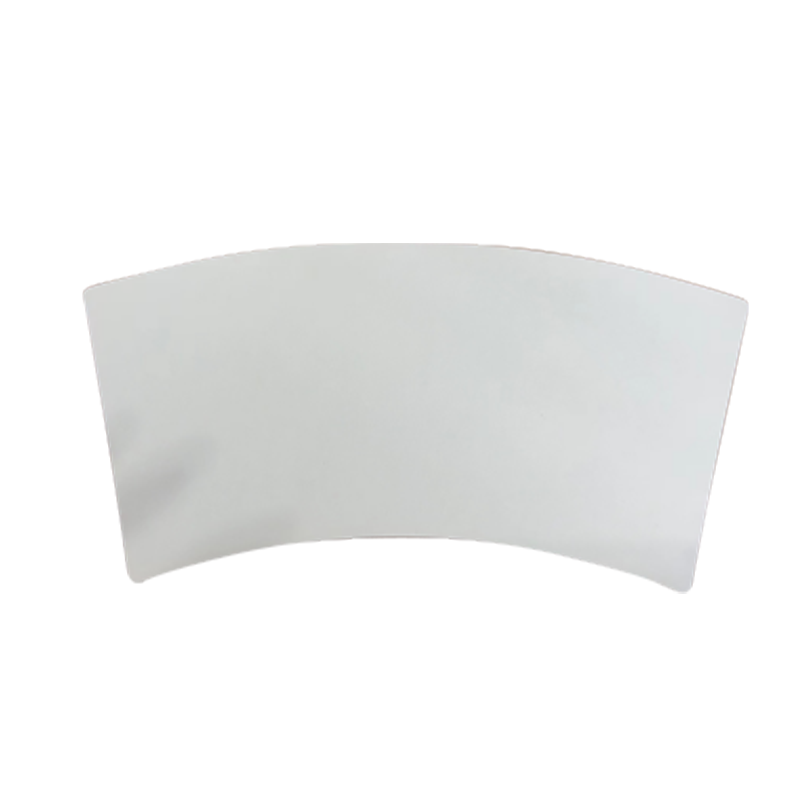
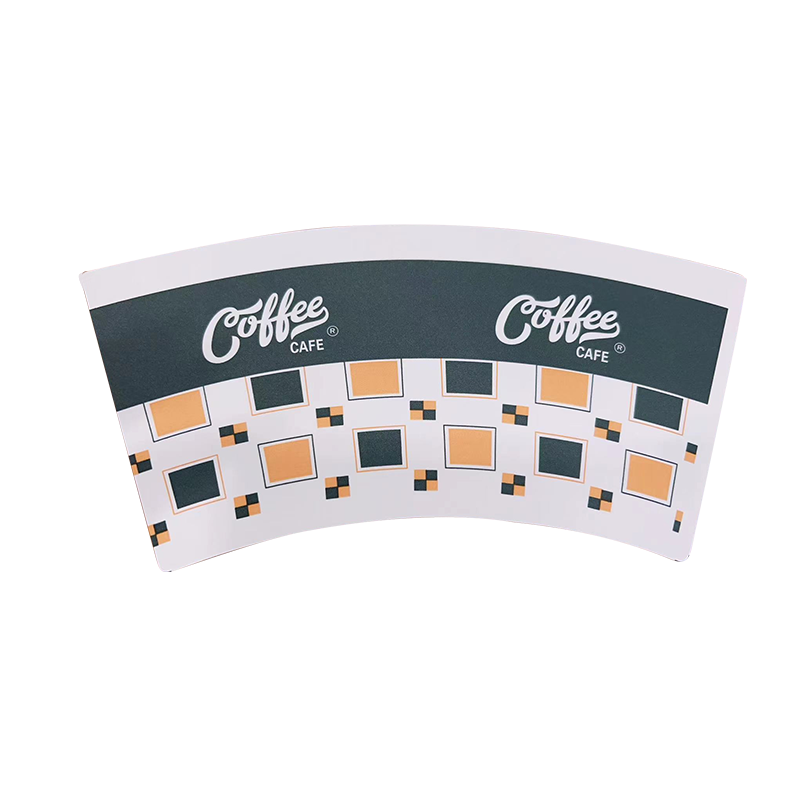
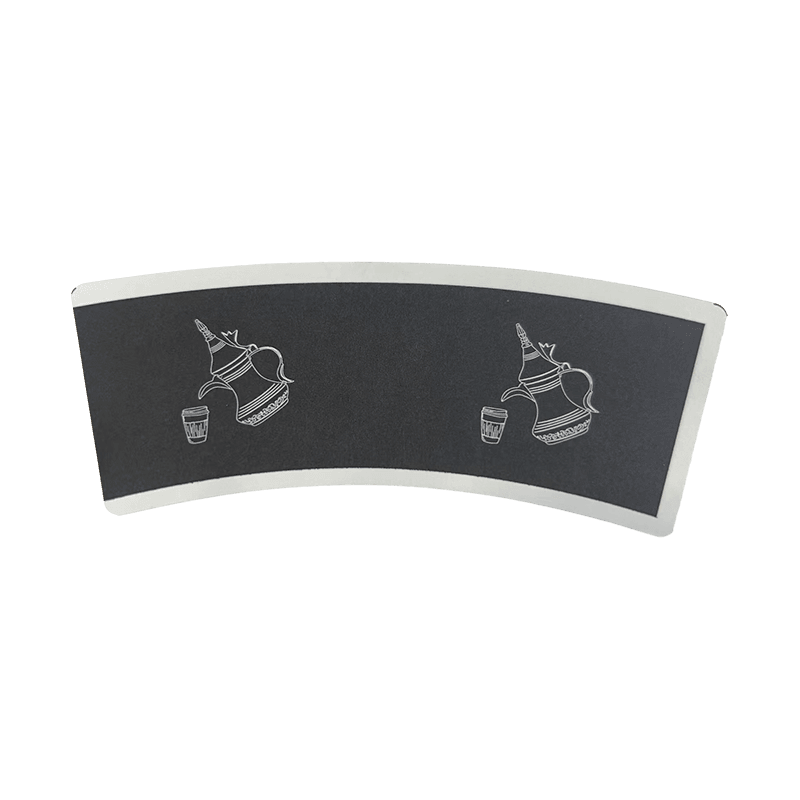
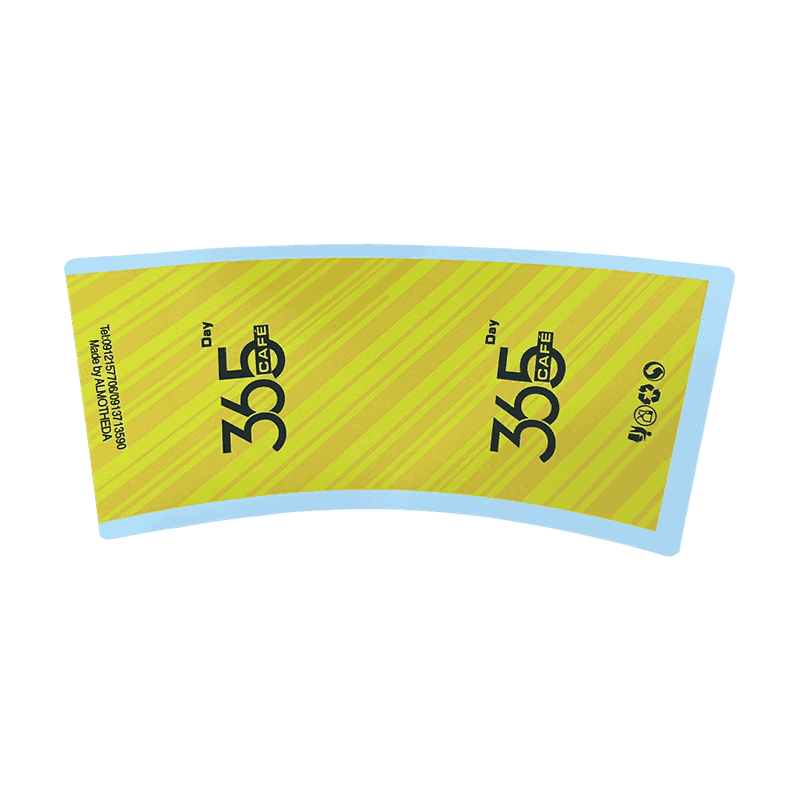
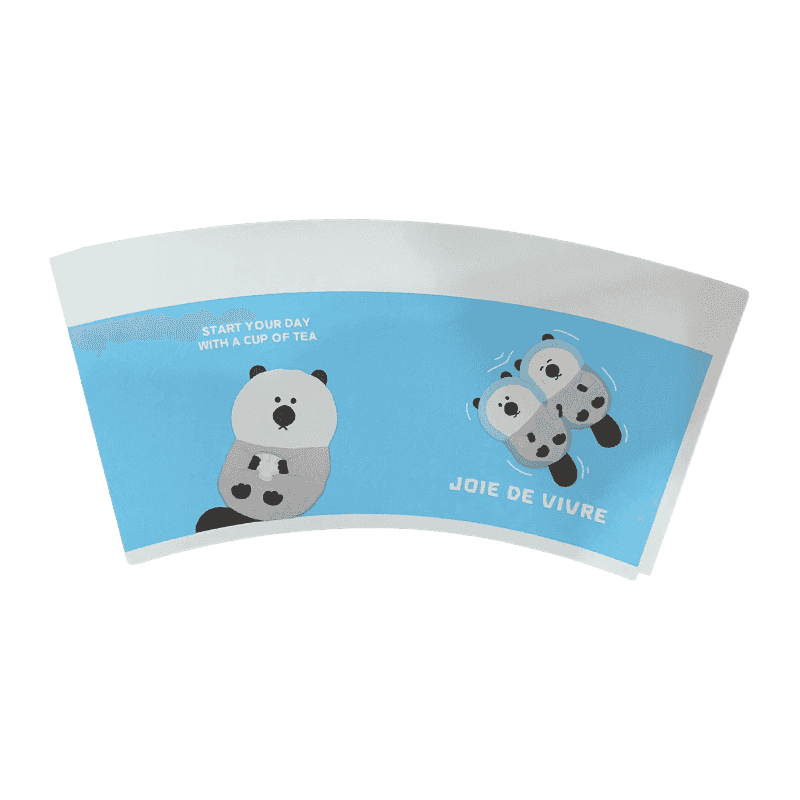
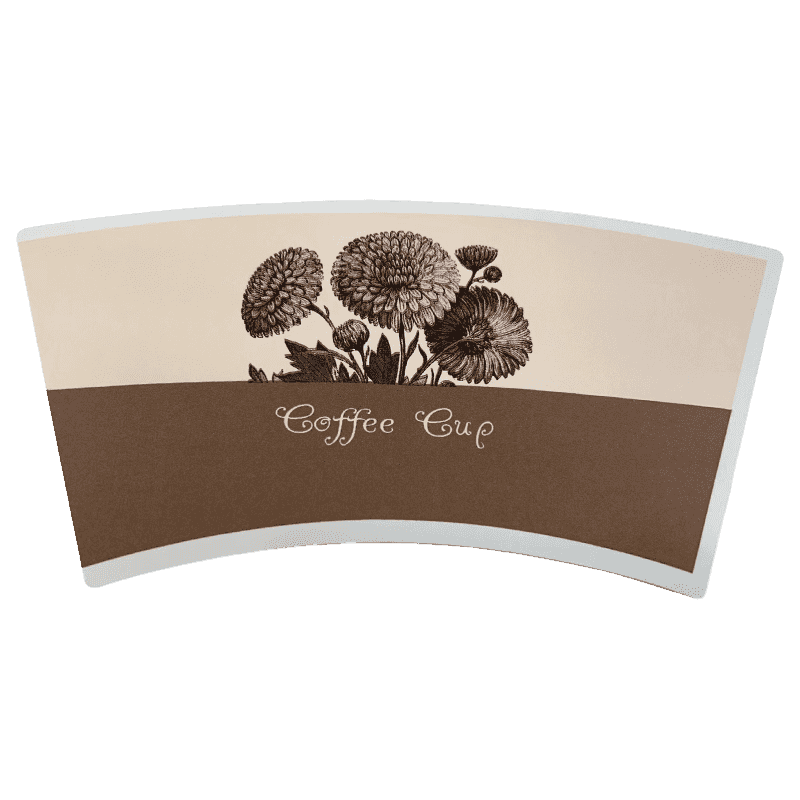
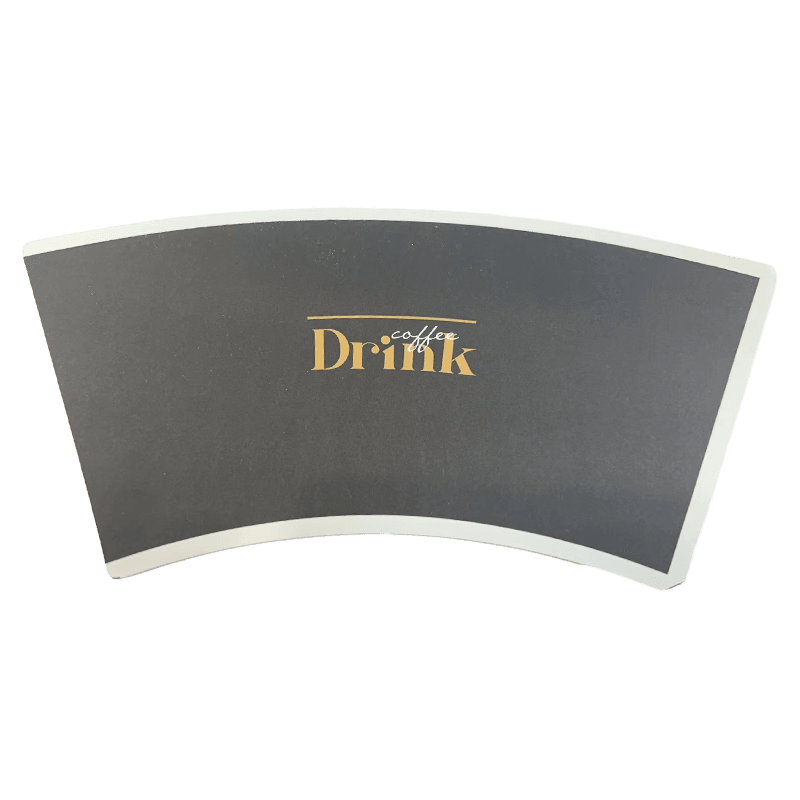
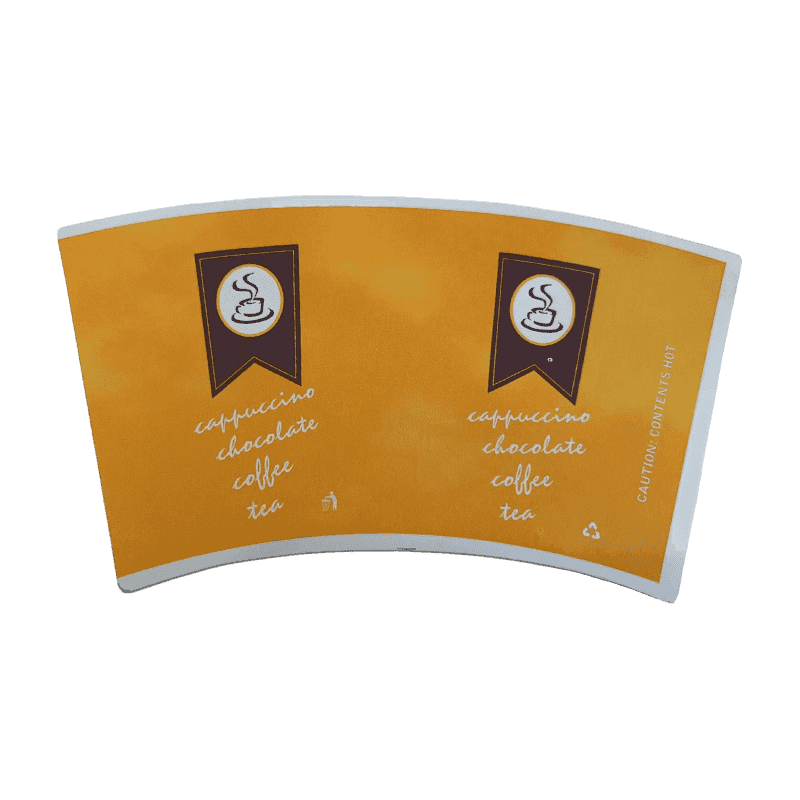
- Pre-printed, PE-coated paperboard sheets are die-cut into cup blanks
- Blanks are formed into cylindrical shapes with overlapping side seams
- Heat and pressure activate the PE coating to seal the side seam
- Circular bottom discs are heat-sealed to the cup base
- Cup rims are curled outward for structural stability and comfortable drinking
This entire process can produce 100-150 cups per minute on modern high-speed machines, with the PE coating serving as both the waterproof barrier and the adhesive for joining cup components.
Environmental Considerations of Paper Cup Materials
The material composition of paper cups creates significant challenges for waste management and environmental sustainability.
The Recycling Challenge
While paperboard is theoretically recyclable, the PE coating makes conventional paper cup recycling difficult. Standard paper recycling facilities cannot easily separate the thin plastic layer from the paper fibers. As a result, less than 1% of the estimated 600 billion paper cups used globally each year are actually recycled.
Specialized recycling facilities can process paper cups by using hydrapulping technology that breaks down the paper while separating the plastic coating. However, only a limited number of such facilities exist worldwide, and cups must be collected separately from standard paper recycling streams.
Alternative Material Developments
In response to environmental concerns, manufacturers have developed several alternative materials:
- PLA-coated cups: Use plant-based polylactic acid instead of PE, but require industrial composting facilities (typically unavailable in most areas)
- Water-based dispersion coatings: Can be repulped in standard recycling facilities, though performance may not match PE for all applications
- Mineral-coated paperboard: Uses clay or calcium carbonate barriers, improving recyclability but with limitations for hot beverages
Safety Standards for Paper Cup Materials
All materials used in paper cup production must meet stringent food contact safety regulations.
Regulatory Requirements
In the United States, the FDA regulates paper cup materials under Title 21 of the Code of Federal Regulations (CFR), particularly sections 176 and 177 covering paper and polymeric substances. European regulations follow the EU Framework Regulation (EC) No 1935/2004 with additional specific measures for materials like plastics.
Key testing requirements include:
- Migration testing to ensure chemicals don't transfer from materials into beverages
- Heavy metal content limits in inks and coatings
- Fluorescent whitening agent restrictions in paperboard
- Temperature stability testing for hot beverage applications
Reputable manufacturers maintain documentation proving their materials comply with these regulations and conduct regular third-party testing to verify safety.
Variations for Different Beverage Types
Paper cup material specifications vary significantly based on their intended use.
Hot Beverage Cups
Cups designed for coffee, tea, and hot chocolate use thicker paperboard (280-350 gsm) and may incorporate double-wall construction. The air gap between two paper layers provides insulation, allowing customers to hold hot beverages comfortably without requiring a separate sleeve. Some manufacturers add insulating corrugated paper layers between the walls.
Cold Beverage Cups
Cold drink cups typically use lighter paperboard (210-280 gsm) since thermal insulation isn't required. However, they often feature a more robust exterior PE coating to prevent condensation from weakening the cup structure or making it slippery to hold. The interior coating must prevent moisture absorption when holding iced beverages for extended periods.
Specialty Cup Materials
Some applications require unique material adaptations. Ice cream cups may use food-grade wax coating instead of PE for a traditional appearance. Soup cups incorporate PE with enhanced heat resistance. Stadium cups and large format containers use reinforced paperboard with thicker coating layers to support greater liquid weight.