English
 中文简体
中文简体 عربى
عربىDisposable paper cups are single-use drinking vessels made from paperboard, typically coated with polyethylene (PE) or lined with a biodegradable material to prevent leaks. They are widely used in coffee shops, offices, events, and households for both hot and cold beverages. The global disposable cup market was valued at over $11 billion in 2023, reflecting just how embedded these products are in daily life. Whether you're stocking a café or planning an outdoor event, understanding the key differences between cup types, materials, and sustainability options will help you make a smarter choice.
Types of Disposable Paper Cups
Not all paper cups are created equal. The main categories are designed for specific temperature ranges and uses:
Hot Drink Cups
These are the standard cups used for coffee, tea, and hot chocolate. They are coated on the inside with a thin layer of PE plastic to prevent the liquid from softening the paper. Most feature a corrugated sleeve or are designed with double walls to protect the user's hand from heat. Single-wall hot cups are the most common and cost-effective option, suitable for café takeaway service when paired with a sleeve.
Cold Drink Cups
Designed for iced beverages, smoothies, and cold brew, these cups have a PE coating on the outside as well to resist condensation. They are typically used with dome lids to accommodate straws and toppings.
Water Cooler Cups
These small, conical or flat-bottomed cups — usually 3 to 5 oz — are commonly found at water dispensers in offices and medical facilities. They are not intended for hot beverages and are among the most lightweight and economical paper cups available.
Common Sizes and Their Typical Applications
Choosing the right size prevents waste and ensures customer satisfaction. Below is a quick reference guide:
| Size (oz) | Typical Use | Hot or Cold |
|---|---|---|
| 3–5 oz | Water coolers, espresso shots | Both |
| 8 oz | Standard coffee, tea | Hot |
| 12 oz | Medium coffee, cappuccino | Hot |
| 16 oz | Large lattes, iced drinks | Both |
| 20–24 oz | Cold beverages, smoothies | Cold |
What Disposable Paper Cups Are Made Of
The base material is always paperboard — a thick, food-safe paper pulp. What varies is the interior and exterior lining, which determines the cup's performance and recyclability.
- PE-coated cups: The most common type. A thin layer of polyethylene plastic seals the paper and prevents liquid absorption. However, this coating makes recycling difficult unless a specialist facility is available.
- PLA-lined cups: Polylactic acid is a plant-based bioplastic derived from corn starch or sugarcane. PLA cups are compostable under industrial conditions, making them more eco-friendly — though they still require commercial composting facilities.
- Aqueous-coated cups: A water-based barrier replaces the plastic lining entirely. These are the easiest to recycle and are growing in popularity as legislation restricts single-use plastics.
- Double-wall cups: Use two layers of paper with an air gap between them, eliminating the need for a sleeve and reducing reliance on plastic coatings for insulation.
Are Disposable Paper Cups Recyclable or Compostable?
This is one of the most misunderstood aspects of paper cups. Standard PE-lined paper cups are not recyclable in most curbside programs because the plastic film cannot be separated from the paper fiber without specialized equipment. According to industry estimates, fewer than 1 in 400 paper cups is actually recycled in the UK alone.
Here is a practical breakdown of disposal options by cup type:
- PE-lined cups: General waste in most regions; some specialist drop-off points exist (e.g., Simply Cups in the UK).
- PLA-lined cups: Industrial compost only — do not belong in home compost bins or standard recycling.
- Aqueous-coated cups: Recyclable via standard paper recycling streams in growing number of municipalities.
If sustainability is a priority for your business, look for cups certified by the Sustainable Forestry Initiative (SFI) or the Forest Stewardship Council (FSC), and verify what disposal infrastructure is available in your area before making a purchasing decision.
Key Factors to Consider When Buying Disposable Paper Cups
Before placing a bulk order, evaluate the following criteria:
Temperature Rating
Always confirm whether a cup is rated for hot or cold beverages. Using a cold cup for hot drinks can cause the seam to weaken or the lining to separate. Most hot cups are rated for liquids up to 85–95°C (185–203°F).
Lid Compatibility
Cup diameter must match the lid. Standard sizes like 80mm and 90mm rim diameters are widely compatible, but always cross-check your supplier's specifications. A mismatched lid is a common (and costly) sourcing error for new café operators.
Print and Branding Options
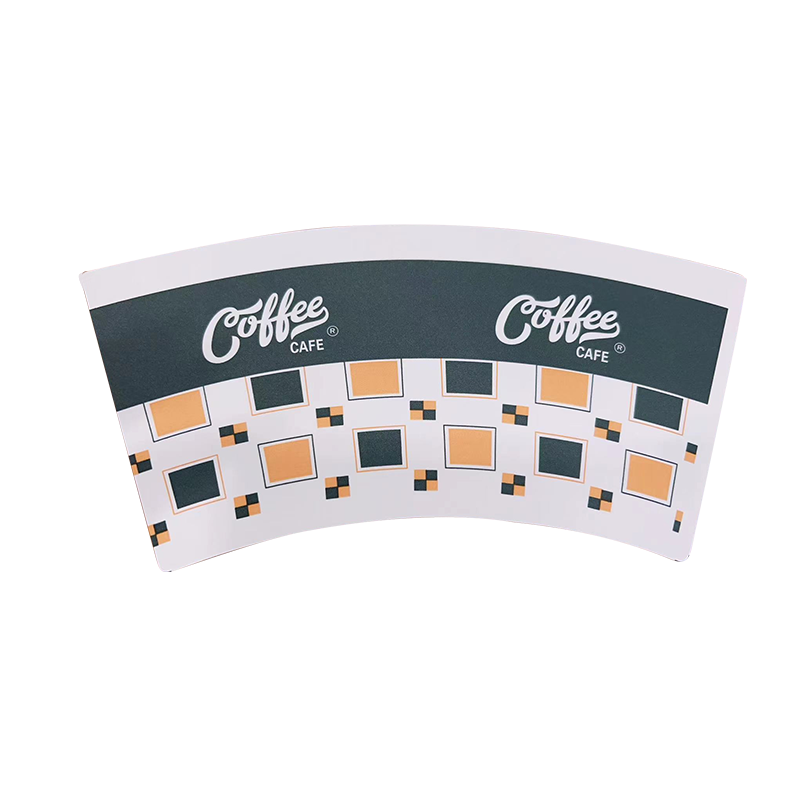
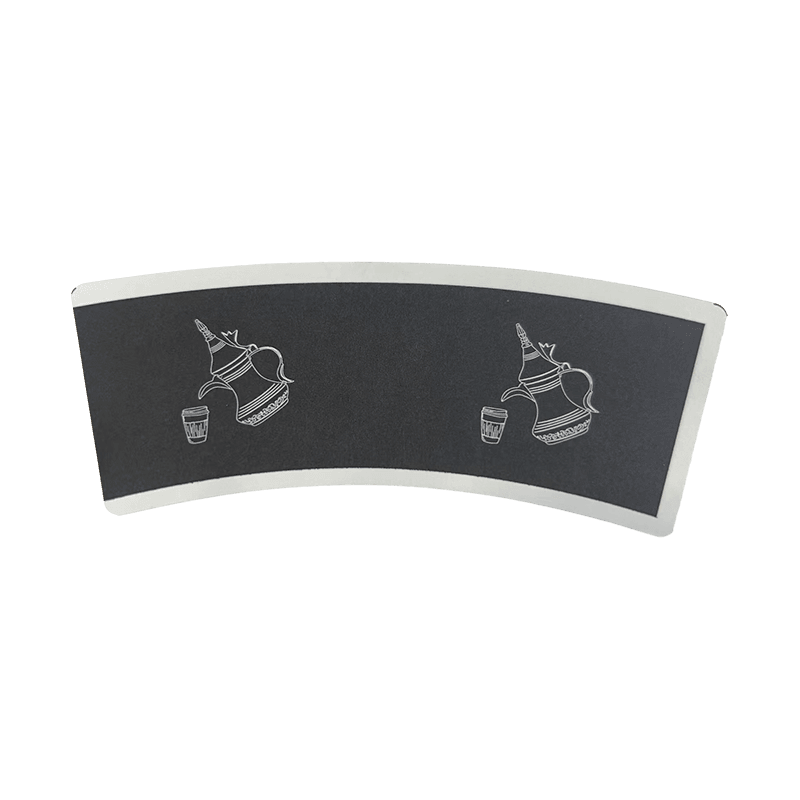
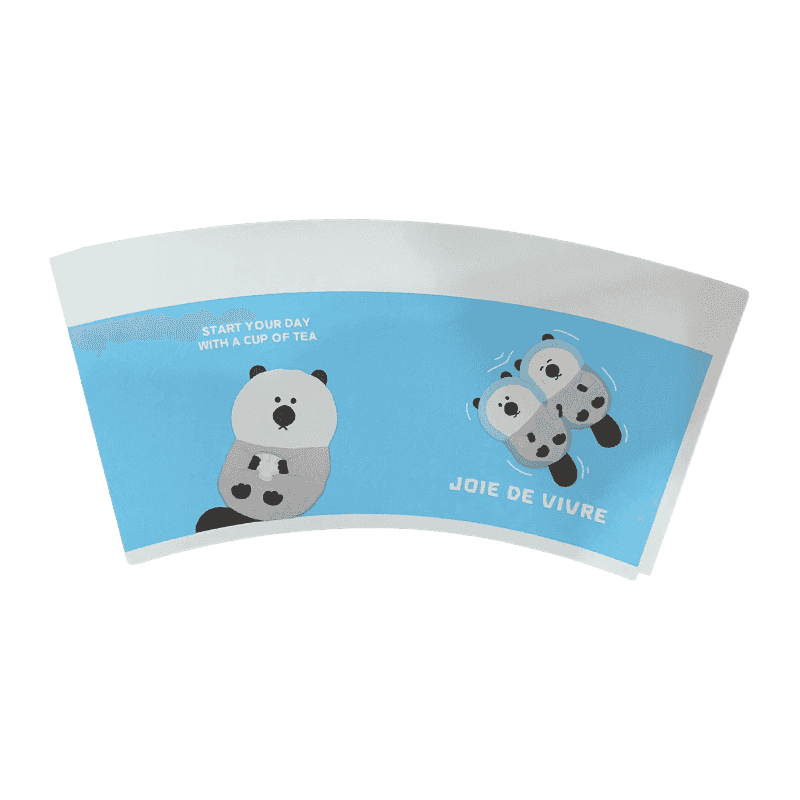
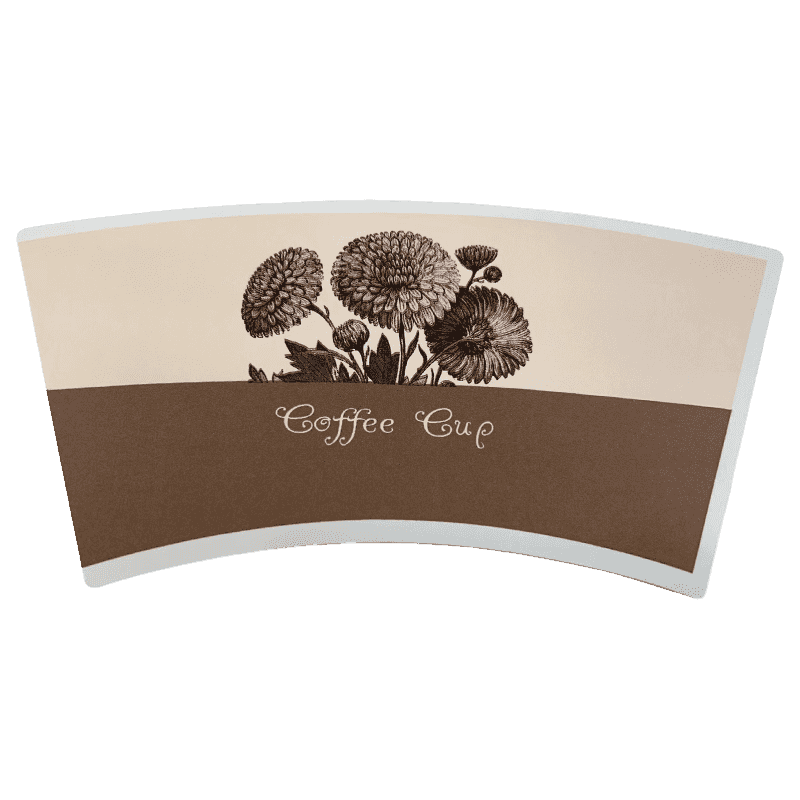
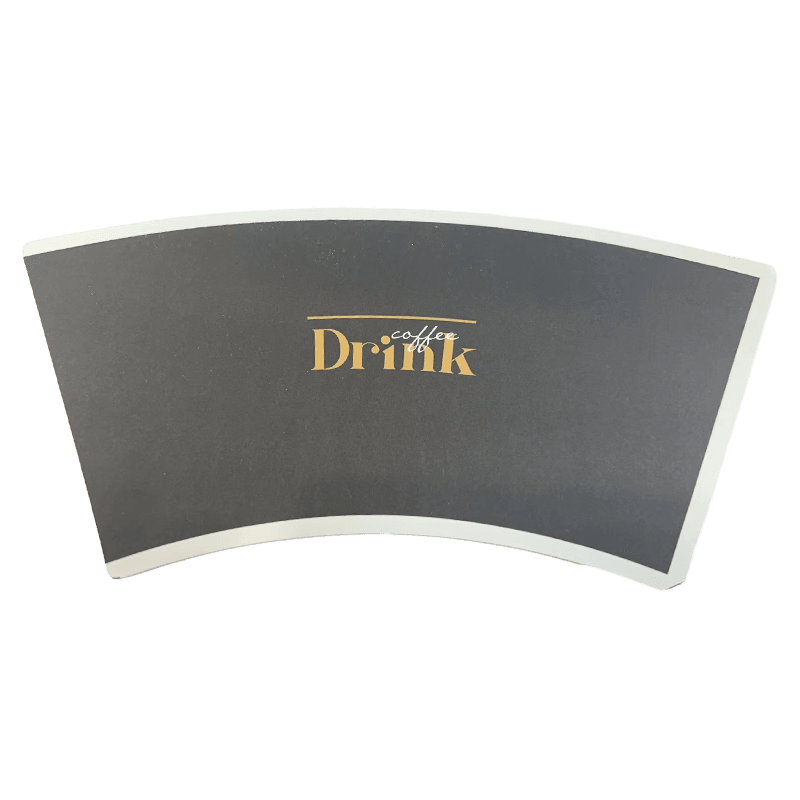
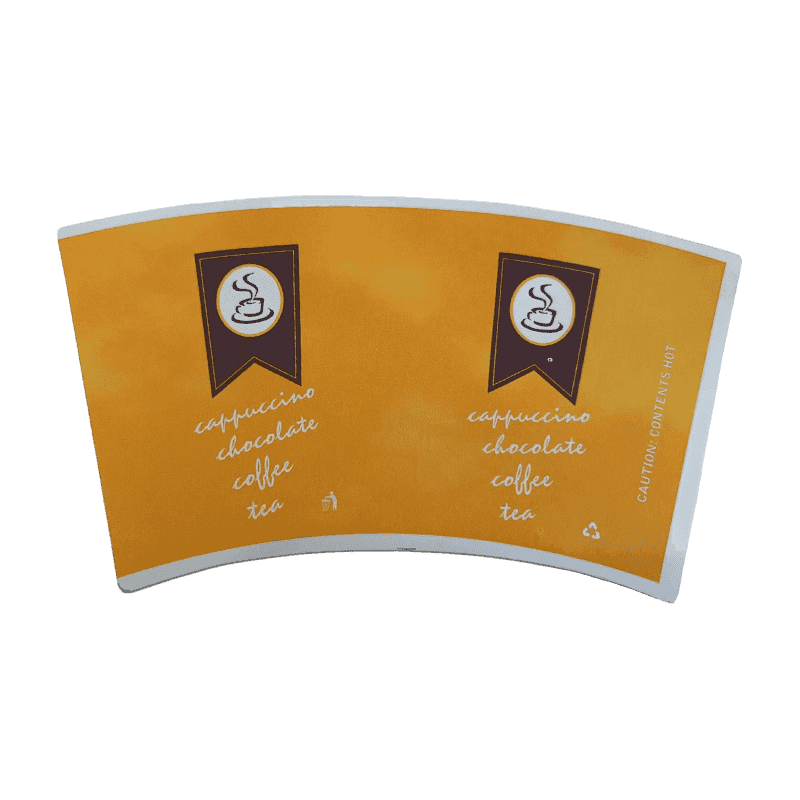
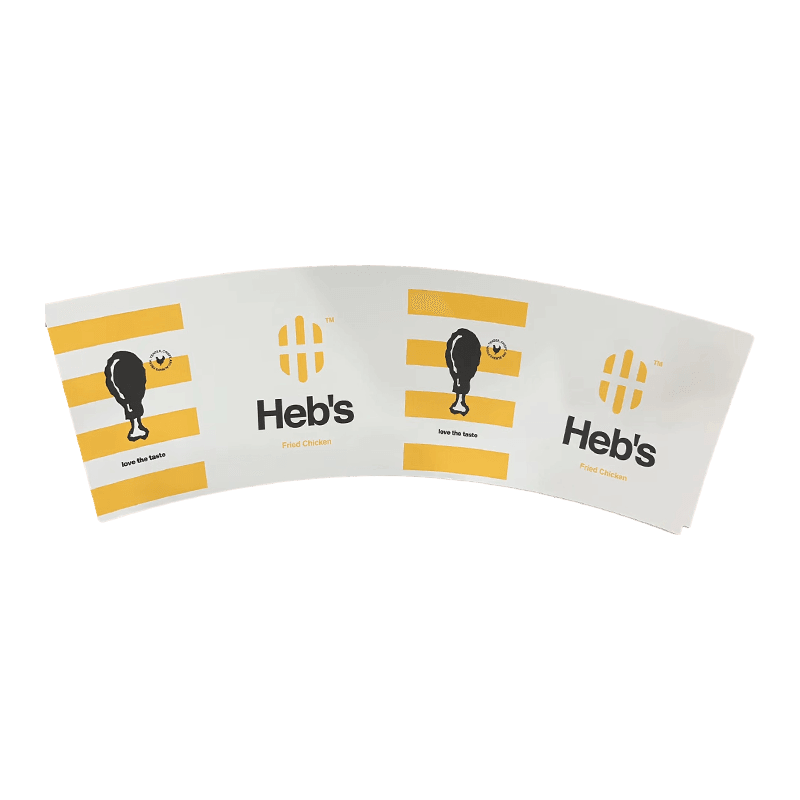
Custom-printed paper cups are available from most wholesale suppliers with minimum orders typically starting at 1,000 to 5,000 units. White or kraft single-color stock cups are a cost-effective option for businesses that don't require branding.
Volume and Cost Per Unit
Buying in bulk significantly reduces per-unit cost. As a general benchmark, standard 12 oz single-wall hot cups can range from $0.04 to $0.15 per cup depending on quantity and supplier. Eco-certified or double-wall options typically cost 20–40% more.
Disposable Paper Cups vs. Alternative Options
Paper cups are not the only option in the disposable category. Here's how they compare to common alternatives:
| Cup Type | Recyclable | Insulation | Cost (relative) | Best For |
|---|---|---|---|---|
| Paper (PE-lined) | Rarely | Low–Medium | Low | General hot/cold use |
| Paper (aqueous) | Yes | Low–Medium | Medium | Eco-conscious businesses |
| Polystyrene (foam) | No | High | Low | Banned in many regions |
| Clear plastic (PET) | Sometimes | None | Low | Cold drinks, events |
| Bagasse (sugarcane) | Compostable | Medium | High | Premium eco events |
Polystyrene foam cups are now banned or restricted in over 100 cities and several countries, including the EU and parts of the US, making paper cups the default practical choice for most businesses.
Where Disposable Paper Cups Are Most Commonly Used
The application largely determines which cup specification you need. Common use environments include:
- Coffee shops and cafés: High-volume takeaway service requires durable, well-insulated cups with reliable lid seals. Double-wall 12–16 oz cups are the standard.
- Corporate offices: Water cooler cups (3–5 oz) and basic hot cups for kitchen stations are typical. Cost-efficiency and volume packaging matter most.
- Events and catering: Custom-printed cups add a branded touch. Large cold cups (16–24 oz) work well for outdoor summer events.
- Healthcare facilities: Small, sterile, individually dispensed cups are used for medication administration and patient hydration.
- Quick service restaurants (QSRs): Large cold drink cups with straw slots dominate, typically 20–32 oz, often branded to the franchise.
Tips for Reducing Waste When Using Paper Cups
Even when full elimination isn't possible, waste reduction is achievable with practical steps:
- Offer a reusable cup discount — many cafés offer 10–25 cents off per drink when customers bring their own cup.
- Switch to aqueous-coated or PLA cups if your local authority supports those recycling or composting streams.
- Partner with a cup collection and recycling program such as Simply Cups (UK) or similar services in other regions.
- Avoid over-ordering — paper cups have a shelf life, and overstocked cups often end up discarded unused.
- Choose FSC-certified paperboard to ensure the paper fiber originates from responsibly managed forests.