English
 中文简体
中文简体 عربى
عربىWhat Are PE Paper Cups
PE paper cups are disposable beverage containers made from paperboard coated with a thin layer of polyethylene (PE) plastic. This polyethylene coating, typically 18-20 grams per square meter, creates a waterproof barrier that prevents liquids from seeping through the paper material. The PE lining is applied to both the interior and sometimes the exterior of the cup through a process called extrusion coating, making these cups suitable for serving hot coffee, cold sodas, and everything in between.
These cups dominate the disposable drinkware market, accounting for approximately 95% of all paper cups produced globally. The food-grade polyethylene used meets FDA and EU regulations for direct food contact, ensuring safety for consumers while providing the necessary liquid resistance that plain paper cannot offer.
Types of PE Paper Cups
Single-Wall PE Cups
Single-wall cups consist of one layer of PE-coated paperboard, typically weighing 190-280 GSM (grams per square meter). These cups are ideal for cold beverages, water, and room-temperature drinks. They're the most economical option and work well for events, offices, and quick-service restaurants where beverages are consumed quickly.
Double-Wall PE Cups
Double-wall cups feature two layers of PE-coated paperboard with an air gap between them, providing superior insulation. These cups can maintain hot beverage temperatures for 30-45 minutes longer than single-wall alternatives while protecting hands from heat without requiring a separate sleeve. They typically use 250-350 GSM paperboard and have become the premium choice for coffee shops and cafes.
Ripple-Wall PE Cups
Ripple-wall cups feature a corrugated outer layer that creates air pockets for insulation and provides a textured grip. The distinctive ripple pattern reduces the need for sleeves and offers 40% better heat retention than standard single-wall cups. These cups are popular in European markets and increasingly adopted in North America.
| Cup Type | Best For | Typical Sizes | Price Range |
|---|---|---|---|
| Single-Wall | Cold drinks, water | 4-22 oz | $0.03-$0.08 |
| Double-Wall | Hot beverages | 8-20 oz | $0.12-$0.25 |
| Ripple-Wall | Premium hot drinks | 8-16 oz | $0.10-$0.20 |
Manufacturing Process and Quality Standards
The production of PE paper cups involves several precision-controlled steps that ensure consistency and safety:
- Paper Selection: Food-grade paperboard (170-350 GSM) is selected based on cup specifications
- PE Coating: Polyethylene is extruded onto both sides of the paperboard at temperatures of 280-320°C
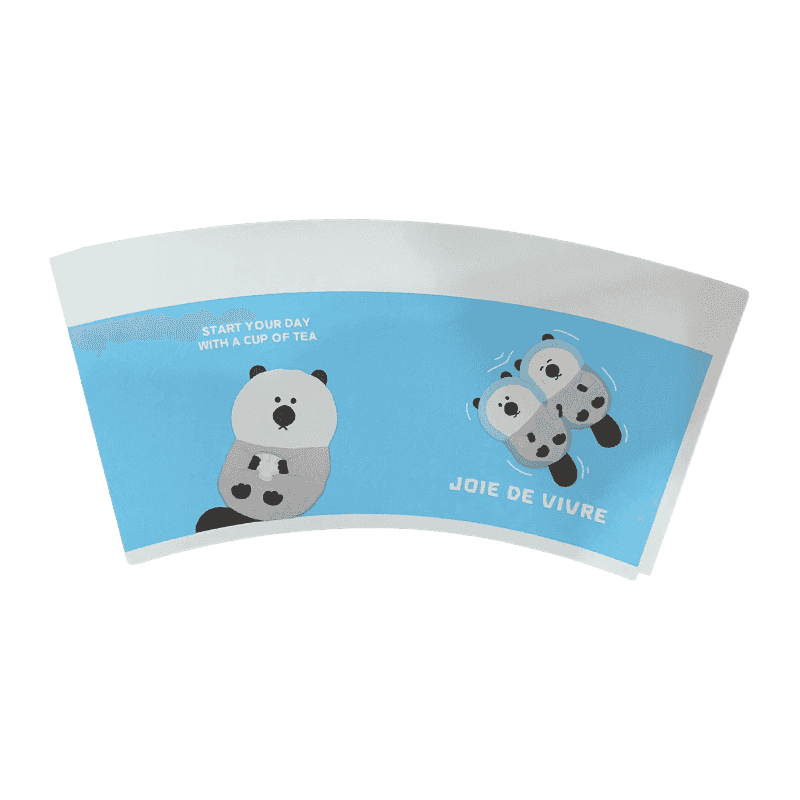
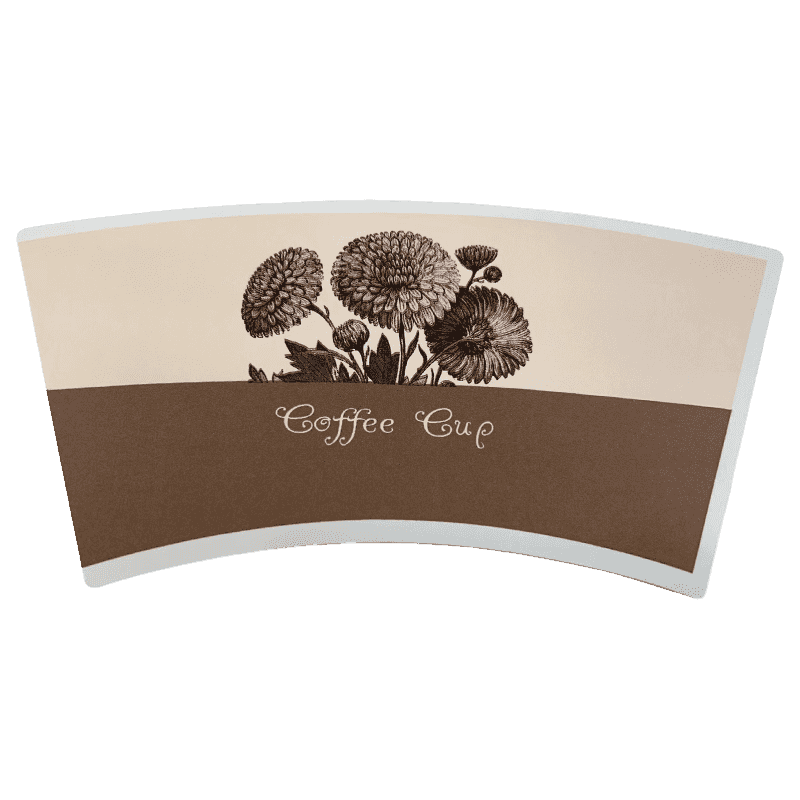
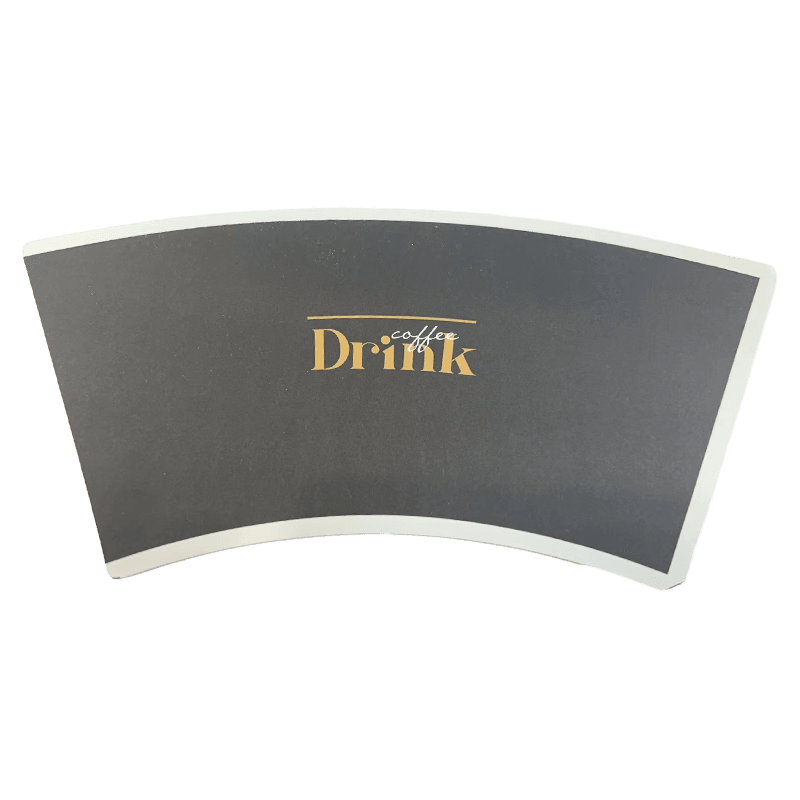
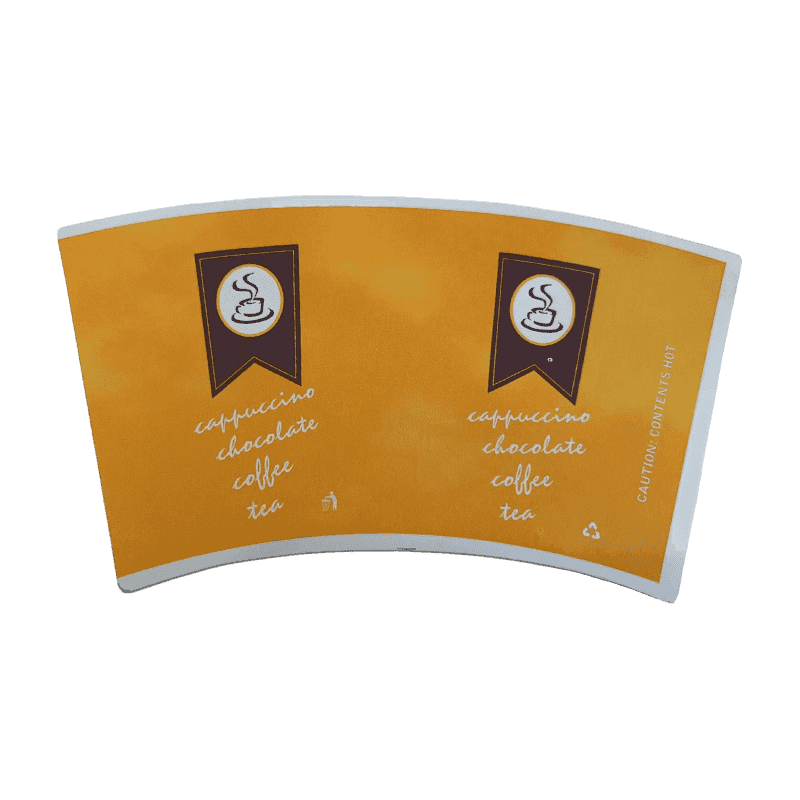
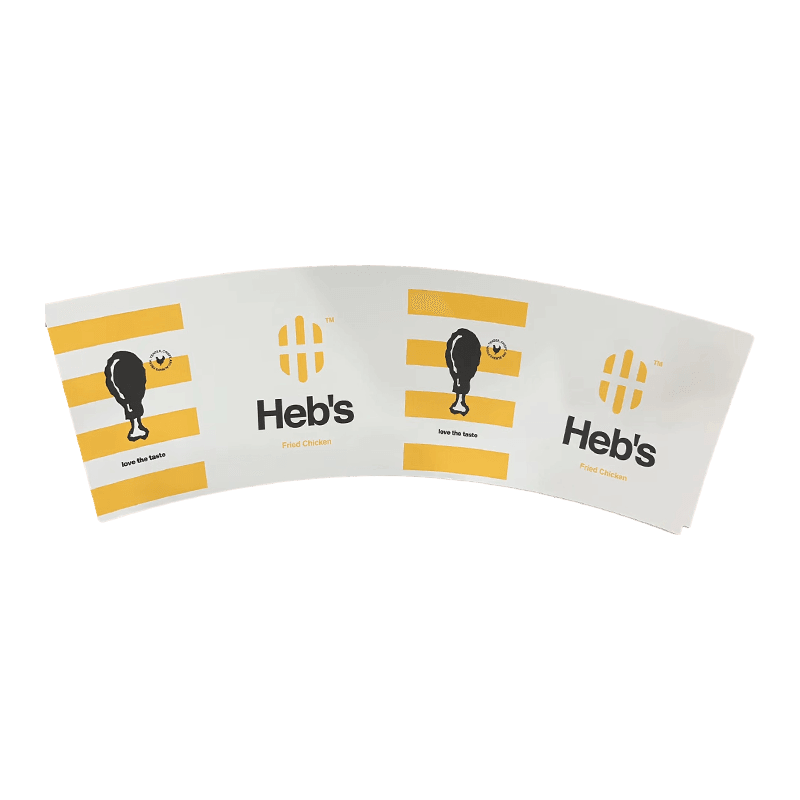
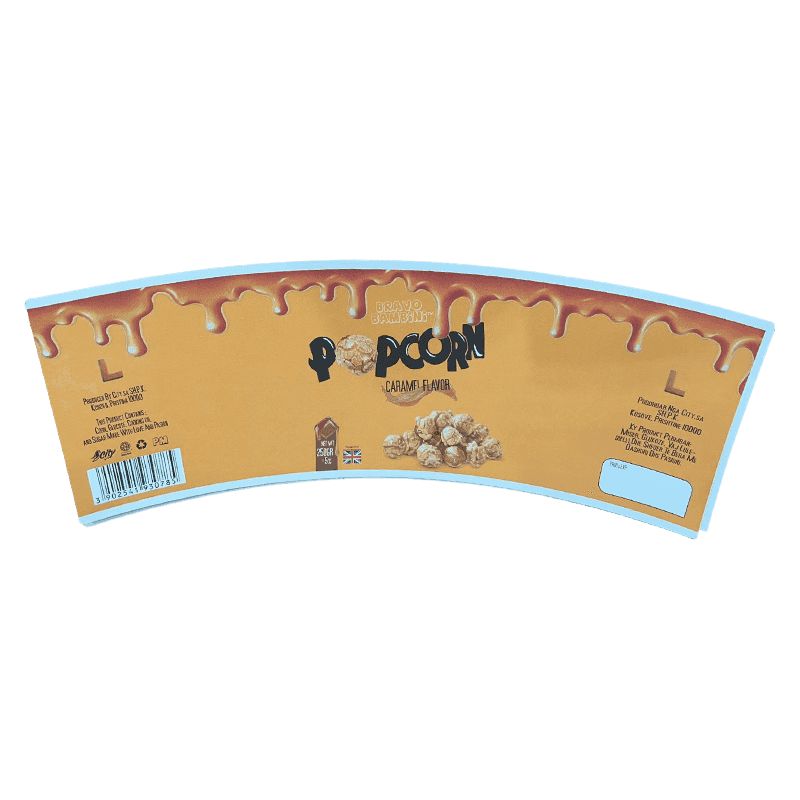
- Printing: Flexographic or offset printing applies designs and branding
- Die Cutting: Automated machines cut the flat sheets into cup blanks
- Forming: Cup blanks are heated, shaped, and sealed at speeds up to 150 cups per minute
- Rim Curling: The top edge is rolled to create a smooth, safe drinking surface
Quality control measures include leak testing (cups must hold liquid for minimum 24 hours), heat resistance verification (withstanding temperatures up to 90-95°C for hot cups), and rim quality inspection to ensure no sharp edges or incomplete seals.
Advantages of PE-Coated Paper Cups
Cost-Effectiveness
PE paper cups offer significant economic advantages over alternatives. They cost 60-70% less than compostable PLA-lined cups and approximately 40% less than foam cups of comparable size. For businesses serving thousands of beverages daily, this translates to substantial savings—a coffee shop serving 500 cups daily could save $3,000-$5,000 annually compared to premium alternatives.
Performance Reliability
The PE coating provides consistent liquid barrier performance across a wide temperature range. These cups maintain structural integrity with beverages from -10°C to 95°C, making them versatile for any drink type. The failure rate for quality PE cups is typically less than 0.1%, ensuring customer satisfaction and minimal waste from defective products.
Customization Options
PE paper cups accept high-quality printing, allowing businesses to create eye-catching branded designs. Modern printing techniques achieve up to 6-color graphics with photographic quality, turning each cup into a mobile marketing tool. The smooth PE surface also enables special finishes like matte or gloss coatings.
Environmental Considerations and Recycling Challenges
The environmental impact of PE paper cups remains a significant concern. While the paperboard component is recyclable, the polyethylene coating creates complications in standard recycling streams. Only 1-2% of PE paper cups are currently recycled globally, with most ending up in landfills or incinerators.
Why PE Cups Are Difficult to Recycle
- The PE coating must be separated from paper fibers through specialized hydropulping processes
- Most municipal recycling facilities lack the equipment to handle PE-coated materials
- Contamination from beverage residue reduces recyclability further
- The small size and low weight make collection and processing economically challenging
Specialized Recycling Solutions
Several companies now operate dedicated paper cup recycling facilities. For example, James Cropper's CupCycling facility in the UK processes 500 million cups annually, recovering both the paper fiber and polyethylene for reuse. Similar facilities in South Korea achieve recovery rates of 85-90% for collected cups. However, these facilities remain limited in number and geographic coverage.
Sustainable Alternatives and Innovations
Bio-Based PE Coatings
Bio-polyethylene derived from sugarcane offers a 70% reduction in carbon footprint compared to fossil-based PE while maintaining identical performance characteristics. Major manufacturers like Stora Enso and Huhtamaki have introduced bio-PE cup lines, though they currently cost 15-25% more than conventional PE cups.
Water-Based Dispersion Coatings
Newer aqueous dispersion coatings eliminate plastic entirely, using water-based polymers that allow cups to be recycled in standard paper streams. These coatings achieve comparable performance to PE for cold beverages and are improving for hot drink applications. Companies like Footprint and Aquapak have demonstrated cups that can be repulped in under 5 minutes in standard recycling equipment.
PLA-Lined Compostable Cups
Polylactic acid (PLA) coatings derived from corn starch create compostable cups that break down in 90-180 days in industrial composting facilities. However, they require specific composting conditions and cost significantly more—typically $0.15-$0.30 per cup compared to $0.05-$0.10 for PE cups.
| Coating Type | Recyclability | Compostability | Cost Premium |
|---|---|---|---|
| Standard PE | Specialized only | No | Baseline |
| Bio-PE | Specialized only | No | +15-25% |
| Water-Based | Standard streams | Limited | +20-35% |
| PLA | No | Industrial only | +50-150% |
Selecting the Right PE Paper Cups for Your Business
Volume and Usage Patterns
Consider your daily beverage volume when selecting cup specifications. High-volume operations serving over 1,000 cups daily should prioritize bulk pricing and consistent quality from established manufacturers. Calculate your usage by beverage type—coffee shops typically need 60-70% hot cups and 30-40% cold cups.
Size Distribution
Stock multiple sizes based on customer preferences. Industry data shows 12 oz and 16 oz cups account for 70% of hot beverage sales, while cold drink orders favor larger sizes with 16 oz and 20 oz representing 65% of volume. Avoid overstocking uncommon sizes like 4 oz or 24 oz unless your menu specifically requires them.
Quality Indicators
When evaluating PE paper cup quality, examine these critical factors:
- Rim curl uniformity: Consistent, smooth rim without gaps or irregularities
- Seam integrity: Leak-proof vertical seam with no visible gaps
- Base stability: Flat, reinforced bottom that prevents tipping
- PE coating coverage: Complete coverage with no bare paper spots
- Print quality: Sharp, vibrant colors without smudging or bleeding
Regulatory Compliance
Ensure your cups meet relevant food safety standards. In the United States, cups must comply with FDA 21 CFR 176.170 for food contact materials. European markets require EU Regulation 1935/2004 compliance. Request certificates of compliance from suppliers, especially when importing cups from overseas manufacturers.
Future Trends in PE Paper Cup Technology
The paper cup industry is undergoing significant transformation driven by environmental regulations and consumer preferences. Several key developments are reshaping the market:
Extended Producer Responsibility (EPR) programs in countries like France, Canada, and parts of the United States are requiring cup manufacturers to fund collection and recycling infrastructure, with 15 additional countries expected to implement similar policies by 2027. This is accelerating investment in recycling technology and alternative materials.
Smart cup technology is emerging, with companies testing QR codes and NFC chips embedded in cups to track usage, enable deposit-return schemes, and provide consumer engagement. Pilot programs in Germany and Japan show return rates of 85-92% when cups include deposit-tracking technology.
Manufacturing efficiency continues to improve, with next-generation cup forming machines achieving speeds of 200+ cups per minute while reducing material waste by 12-15%. These efficiency gains help offset the higher costs of sustainable materials, making eco-friendly options more economically viable.