English
 中文简体
中文简体 عربى
عربىUnderstanding What a Paper Cup Is and How It’s Made
A paper cup is a disposable beverage container primarily designed for serving hot and cold drinks such as coffee, tea, soda, and water. Unlike plastic cups, disposable paper cups are manufactured from food-grade paperboard with a thin coating to prevent liquid absorption and leakage.
The base material is typically virgin wood pulp processed into thick paperboard. To make it waterproof, manufacturers apply a lining—traditionally polyethylene (PE), but increasingly biodegradable alternatives like PLA made from corn starch. The paper is cut, shaped into a cylinder, sealed at the side seam, and fitted with a bottom disc to form a leak-proof structure.
Key Materials Used in Modern Paper Cups
- Food-grade paperboard (160–350 GSM thickness)
- PE or PLA inner coating for waterproofing
- Non-toxic inks for custom printing
Common Types of Paper Cups for Different Uses
Not all paper cups are created equal. Different beverages require different thickness levels, insulation, and coating types. Choosing the correct style improves customer experience and prevents leakage or heat transfer.
| Cup Type | Best Use | Features |
| Single Wall Cup | Cold drinks, water | Lightweight, economical |
| Double Wall Cup | Coffee, tea | Extra insulation, no sleeve needed |
| Ripple Wall Cup | Hot beverages | Textured grip, heat protection |
| Compostable Cup | Eco-conscious businesses | Plant-based lining, biodegradable |
Environmental Impact of Disposable Paper Cups
Although paper cups appear eco-friendly, many contain plastic linings that complicate recycling. Traditional PE-coated cups can take decades to decompose, while newer compostable paper cups break down much faster in industrial composting facilities.
Ways Businesses Can Reduce Waste
- Switch to PLA-lined or water-based coated cups
- Offer recycling or compost bins for customers
- Encourage reusable cup discounts
Many coffee chains now prioritize eco-friendly paper cups to reduce their carbon footprint while maintaining convenience for customers.
How to Choose the Right Paper Cup for Your Business
Selecting the proper disposable paper cup depends on beverage temperature, serving volume, branding goals, and sustainability preferences. Poor choices can result in leaks, customer complaints, and unnecessary costs.
Key Factors to Consider
- Cup size (4oz espresso to 20oz large coffee)
- Wall thickness and insulation
- Compatibility with lids
- Sustainability certifications
Hot beverage cups generally require thicker walls or ripple designs to protect hands from heat while maintaining structural integrity.
Benefits of Custom Printed Paper Cups for Branding
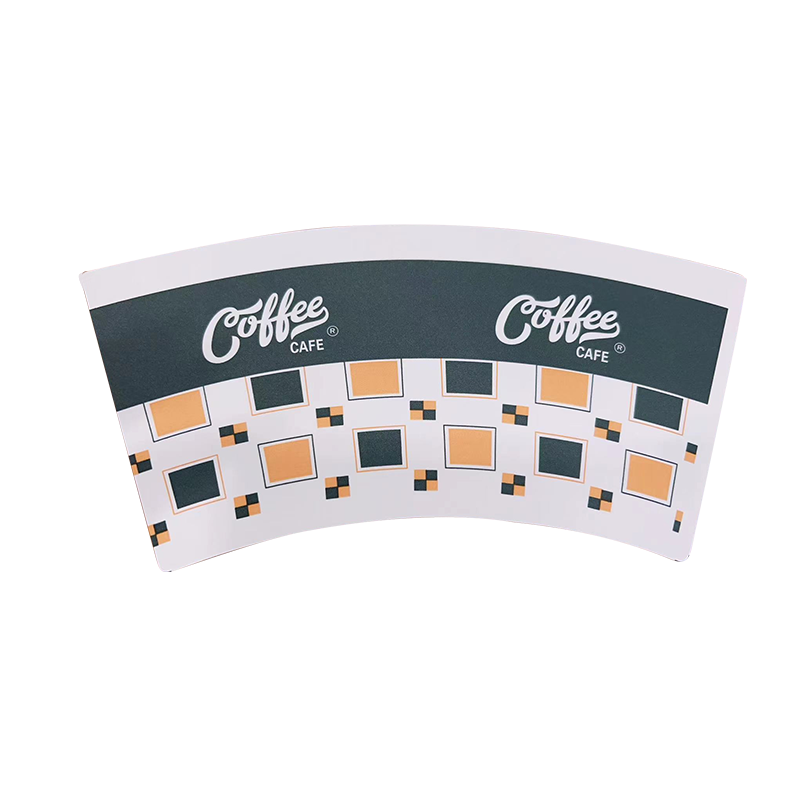
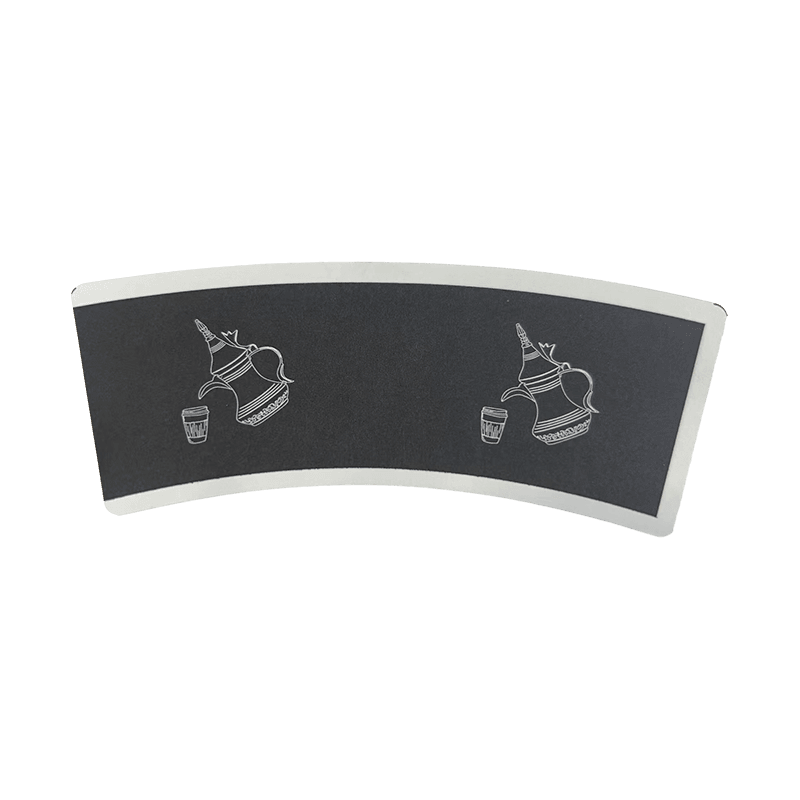
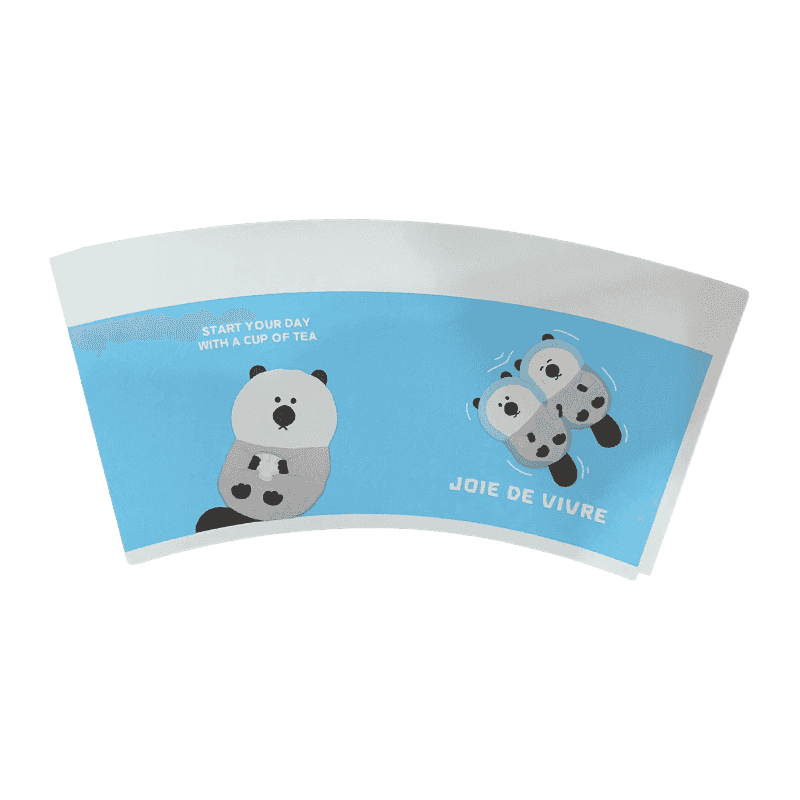
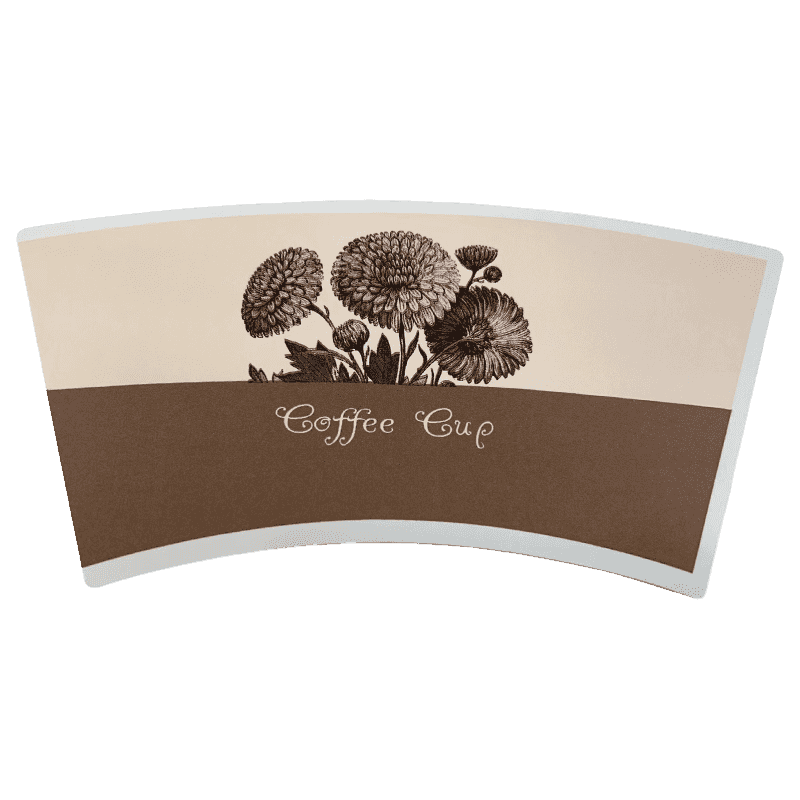
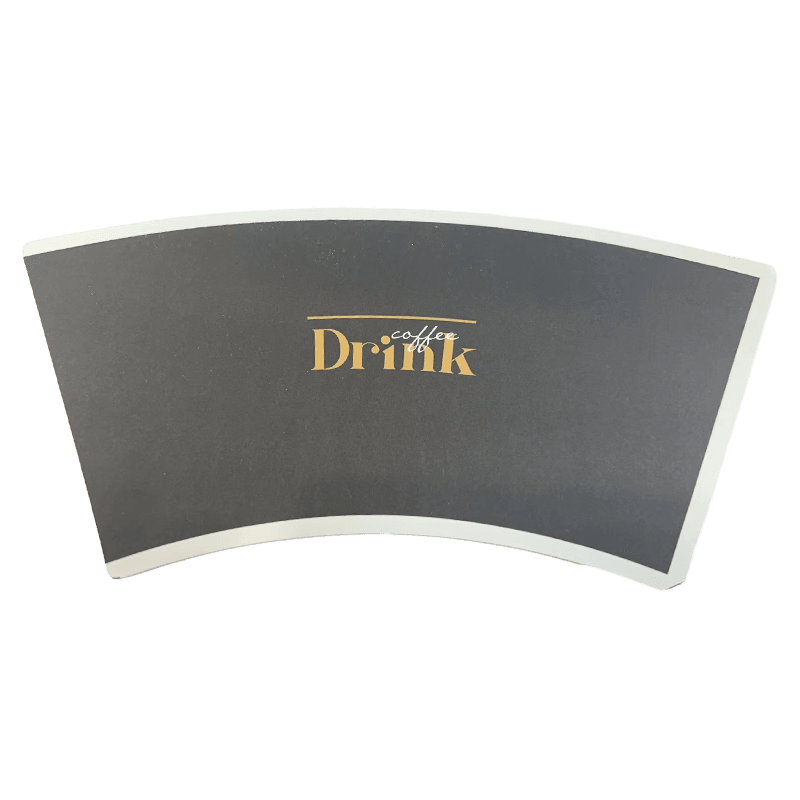
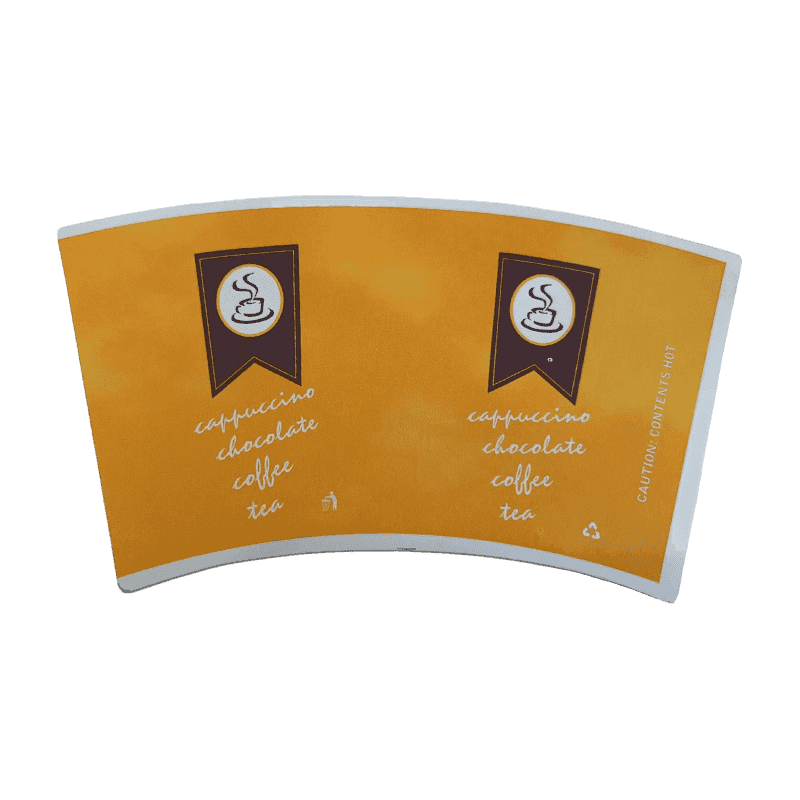
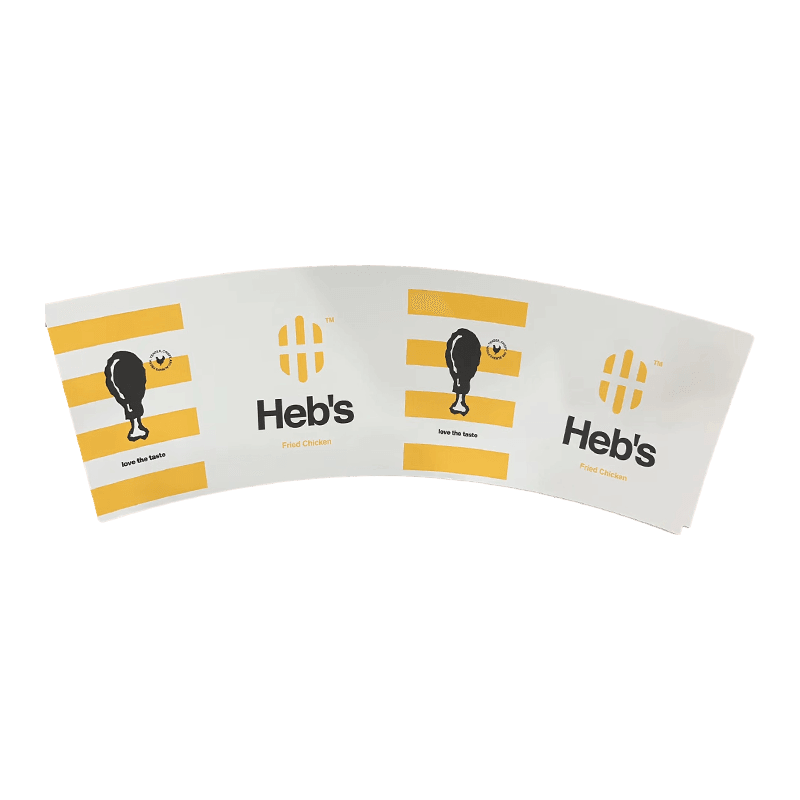
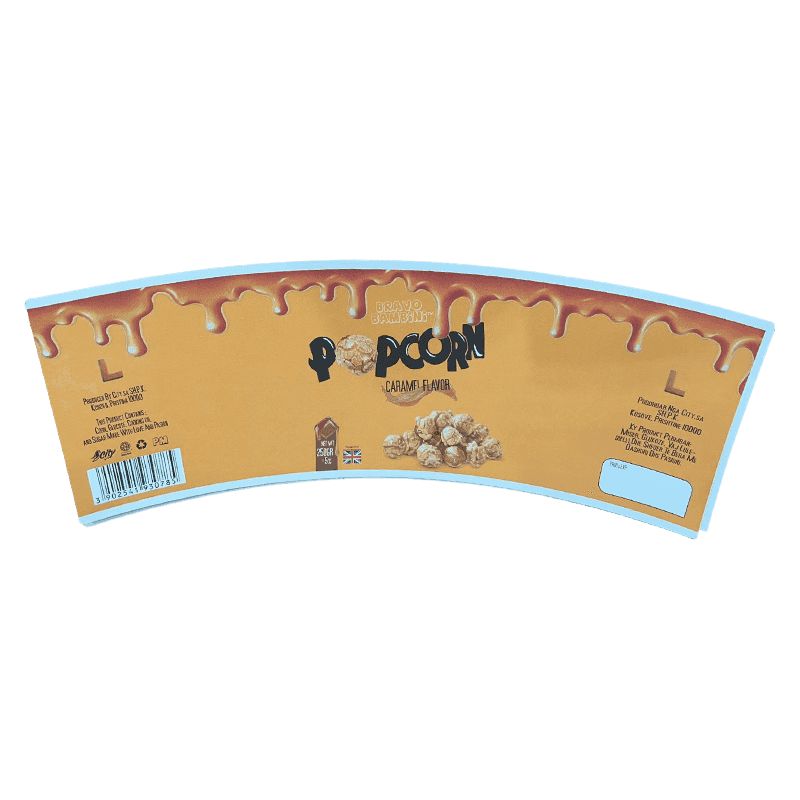
Custom printed paper cups transform a simple drink container into a mobile advertisement. Coffee shops, events, and restaurants use printed cups to promote logos, social media, and seasonal campaigns.
Advantages of Customization
- Increases brand visibility
- Enhances professional appearance
- Supports promotional messaging
High-quality printing ensures inks remain food-safe and do not fade when exposed to heat or moisture.
Are Paper Cups Safe for Hot Drinks?
Reputable manufacturers design hot beverage paper cups to withstand high temperatures without releasing harmful substances. Food-grade coatings act as a barrier between liquid and paper fibers.
To ensure safety, businesses should source cups certified by food safety authorities and avoid extremely low-cost alternatives that may use inferior coatings or inks.
Recycling and Composting Paper Cups Properly
While some recycling facilities can process coated paper cups, many require specialized separation technology. Compostable cups, on the other hand, break down efficiently in industrial composting environments.
Best Disposal Practices
- Check local recycling guidelines
- Remove plastic lids before disposal
- Use compost bins for PLA-lined cups
Clear labeling helps consumers dispose of cups correctly, reducing landfill waste.
Cost Comparison: Paper Cups vs Reusable Options
While disposable paper cups offer convenience, long-term costs can exceed those of reusable solutions in high-volume environments. However, hygiene, portability, and customer expectations often make paper cups the preferred choice.
Bulk purchasing and selecting the correct cup thickness can significantly reduce per-unit expenses for cafés and restaurants.
Future Trends in the Paper Cup Industry
The paper cup market continues to innovate with plastic-free linings, recyclable barriers, and lightweight designs that use less raw material. Many brands are moving toward fully compostable disposable cups without sacrificing durability.
As environmental regulations tighten, sustainable paper cups will likely become the industry standard rather than the exception.