English
 中文简体
中文简体 عربى
عربىIntroduction to PLA Coated Paper
PLA coated paper is a type of paper treated with polylactic acid (PLA), a biodegradable thermoplastic derived from renewable resources such as cornstarch or sugarcane. This coating provides a water-resistant, oil-resistant, and food-safe layer while maintaining the recyclability and compostability of the paper. PLA coated paper is widely recognized as a sustainable alternative to conventional polyethylene (PE) coated paper in packaging industries.
Properties and Characteristics of PLA Coated Paper
The unique properties of PLA coated paper make it suitable for a range of packaging applications. Its characteristics include:
- Biodegradability: PLA coating decomposes under industrial composting conditions, reducing environmental impact.
- Water and oil resistance: Protects paper from moisture and grease, making it ideal for food packaging.
- Food-safe and non-toxic: PLA is approved for direct food contact by international food safety authorities.
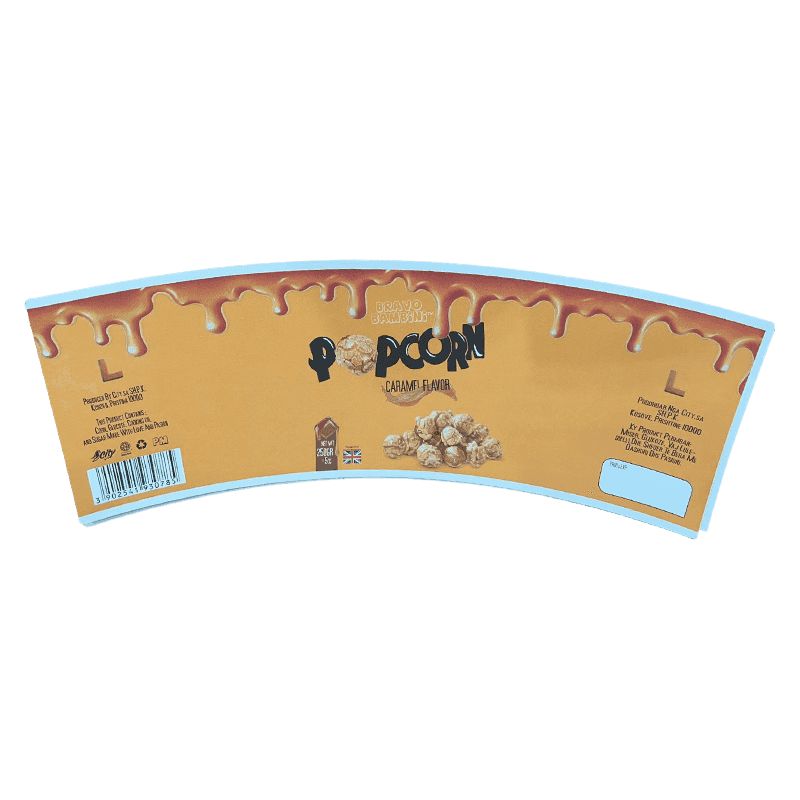
- Printability: Supports high-quality printing and coating techniques for branding and product labeling.
- Lightweight and flexible: Maintains paper’s structural properties without adding significant weight.
Applications in Packaging
PLA coated paper has become an essential material in sustainable packaging due to its eco-friendly properties. Common applications include:
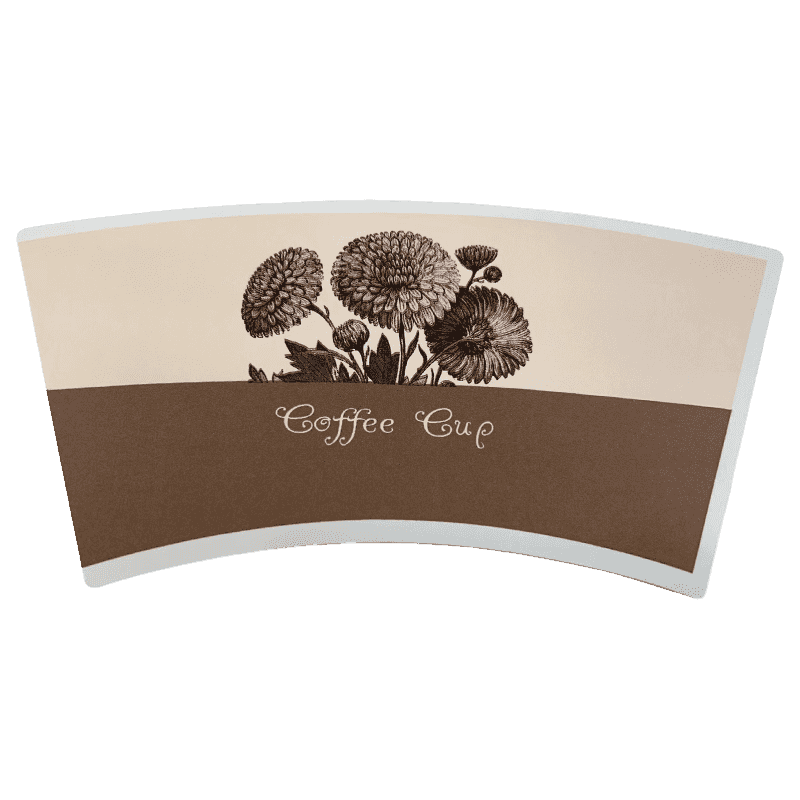
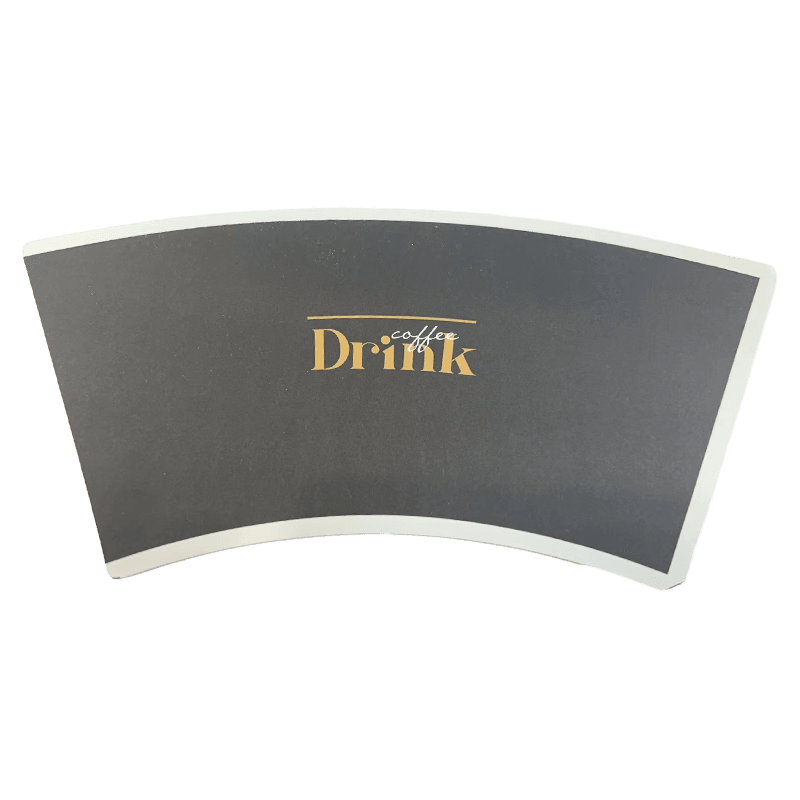
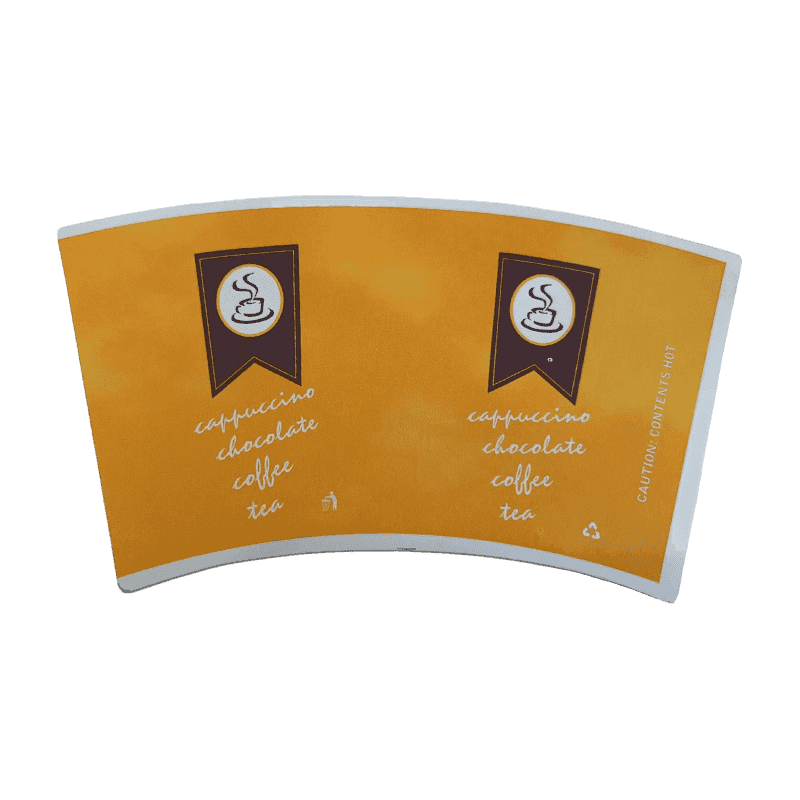
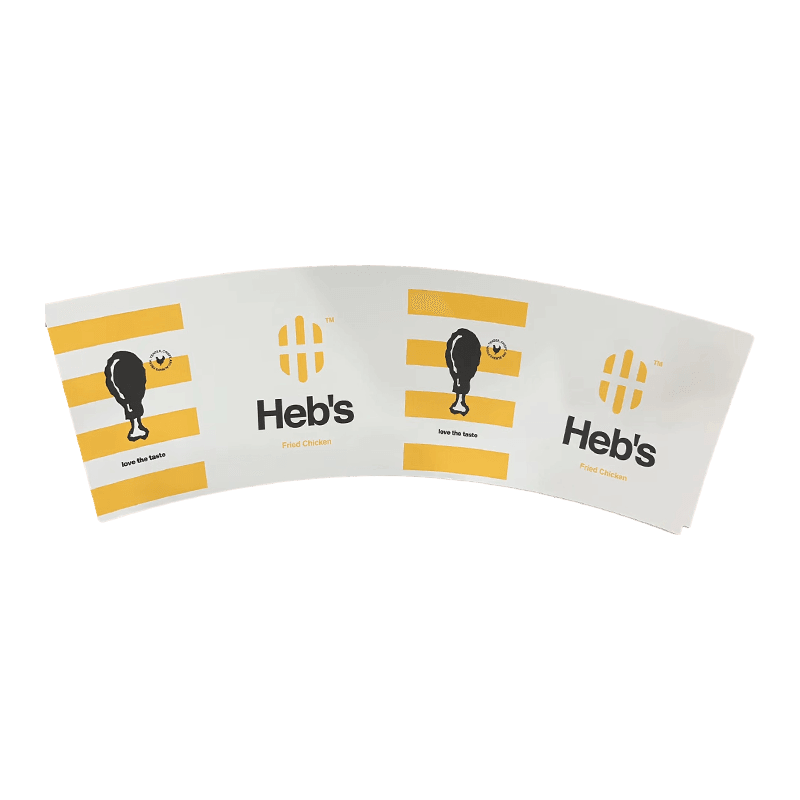
- Food packaging: Takeaway boxes, fast-food containers, bakery trays, and coffee cup sleeves.
- Retail packaging: Shopping bags, gift boxes, and wrapping paper for eco-conscious brands.
- Frozen and refrigerated products: The coating protects against moisture without compromising biodegradability.
- Single-use disposable tableware: Plates, cups, and bowls that can be composted after use.
Production Process of PLA Coated Paper
The production of PLA coated paper involves applying a thin layer of PLA onto the surface of base paper. The process typically includes the following steps:
1. Base Paper Preparation
High-quality paper is selected for uniformity and smoothness. It may be pre-treated to improve adhesion of the PLA coating.
2. PLA Film Application
PLA is applied using techniques such as extrusion coating, slot die coating, or roll-to-roll lamination. The coating thickness varies depending on the intended use, usually between 10–30 microns.
3. Cooling and Solidification
The coated paper passes through cooling rollers or air-cooling units to solidify the PLA layer and ensure adhesion to the paper.
4. Finishing and Quality Control
The final product is inspected for uniform coating, surface smoothness, and barrier properties. Any defects are removed to maintain consistent quality.
Environmental Benefits of PLA Coated Paper
PLA coated paper offers significant environmental advantages compared to conventional PE coated paper:
- Reduces plastic pollution by replacing non-biodegradable coatings.
- Supports circular economy principles, as PLA coated paper can be composted in industrial facilities.
- Lowers carbon footprint, since PLA is sourced from renewable biomass instead of fossil fuels.
- Enhances brand sustainability image, aligning with consumer demand for eco-conscious packaging.
Challenges and Considerations
While PLA coated paper is a promising eco-friendly solution, manufacturers and users should consider the following challenges:
- Cost: PLA coated paper can be more expensive than PE coated alternatives due to raw material and production costs.
- Industrial composting requirement: PLA requires high-temperature composting facilities, and home composting may not be effective.
- Moisture barrier limitations: PLA offers good resistance but may not match the long-term water resistance of PE in certain conditions.
- Recycling compatibility: PLA coated paper cannot always be recycled with conventional paper recycling streams, requiring specialized processing.
Comparison with Conventional PE Coated Paper
| Property | PLA Coated Paper | PE Coated Paper |
| Biodegradability | Compostable under industrial conditions | Non-biodegradable, long-term pollution |
| Source | Renewable (corn, sugarcane) | Fossil fuel-based |
| Water Resistance | Moderate | High |
| Recyclability | Limited; industrial composting preferred | Widely recyclable in paper streams |
Future Trends in PLA Coated Paper
As sustainability continues to drive packaging innovation, PLA coated paper is expected to grow in adoption. Key trends include:
- Development of home-compostable PLA coatings to improve accessibility and convenience.
- Integration with other biodegradable materials like bagasse or bamboo fiber for hybrid packaging solutions.
- Expansion into global foodservice and retail markets as regulations push for single-use plastic alternatives.
- Innovation in barrier properties to enhance moisture and grease resistance, rivaling conventional PE coatings.
Conclusion
PLA coated paper offers a sustainable alternative to conventional plastic-coated paper. Its biodegradable nature, food safety, and environmental benefits make it ideal for modern packaging needs. While challenges such as cost and composting infrastructure remain, the material's potential for reducing plastic waste and enhancing brand sustainability continues to drive innovation and adoption. For businesses looking to transition to eco-friendly packaging, PLA coated paper represents a practical and responsible choice.