English
 中文简体
中文简体 عربى
عربىUnderstanding PE Coated Paper
PE coated paper, also known as polyethylene coated paper, is a type of paper that has a thin layer of polyethylene applied to its surface. This coating provides the paper with waterproof and grease-resistant properties while maintaining the printability and rigidity of standard paper. The coating process involves applying a layer of polyethylene, either by extrusion or lamination, which bonds to the paper base. This combination makes it highly suitable for various packaging and industrial applications where durability and moisture resistance are critical.
Key Advantages of PE Coated Paper
PE coated paper offers several advantages that make it an ideal choice for packaging, food service, and industrial applications. Some of the primary benefits include:
- Water Resistance: The polyethylene layer prevents water absorption, protecting contents from moisture damage.
- Grease and Oil Resistance: Commonly used in food packaging, it prevents oil and grease from seeping through the paper.
- Enhanced Strength: The coating increases tensile strength and tear resistance, making it suitable for carrying heavy items.
- Printability: PE coated paper retains good surface smoothness, enabling high-quality printing for branding and labeling.
- Eco-Friendly Options: Recyclable and sometimes compostable coatings are available, reducing environmental impact.
Applications in Packaging
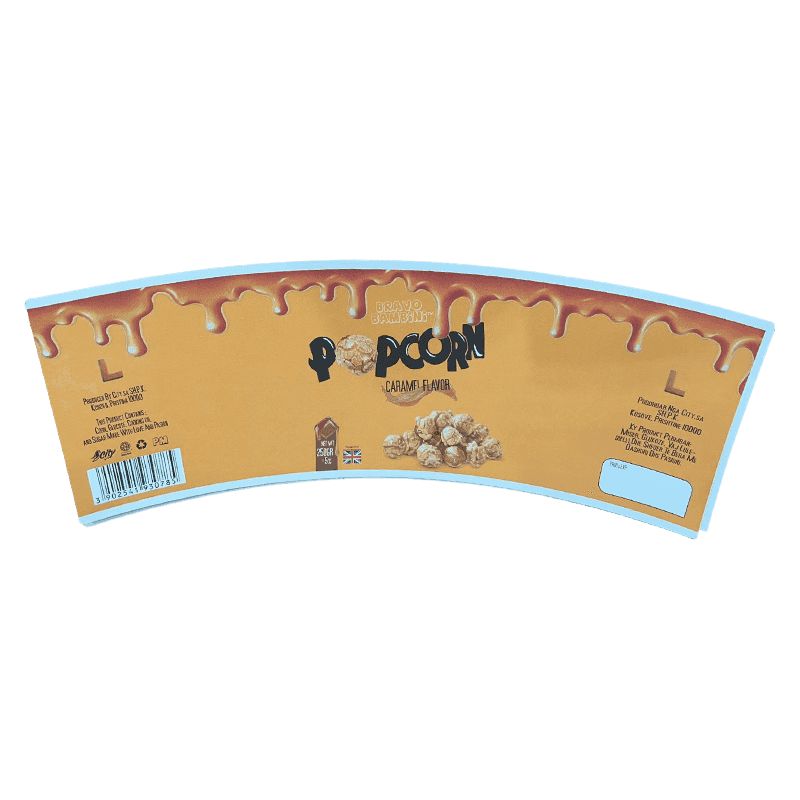
One of the most common uses of PE coated paper is in packaging. Its moisture and grease resistance make it perfect for protecting products during transportation and storage. Industries using PE coated paper include food and beverage, pharmaceuticals, and consumer goods. Common packaging formats include:
- Food Wraps and Bags: For bakery items, fast food, and snacks to maintain freshness and prevent oil stains.
- Shopping Bags: Durable paper bags capable of holding heavier items without tearing.
- Pharmaceutical Packaging: Protects medicines and medical devices from moisture and contamination.
- Industrial Packaging: Wrapping products that require moisture protection during shipping.
Choosing the Right PE Coated Paper
Selecting the correct PE coated paper depends on your specific application. Key considerations include:
Paper Weight
The base paper weight affects rigidity and durability. Lightweight paper is suitable for food wraps, while heavier paper is ideal for bags and industrial packaging.
Coating Thickness
PE coatings range from thin layers for light water resistance to thicker layers for heavy-duty moisture protection. The choice depends on whether the paper will face liquid exposure or high handling stress.
Surface Finish
Glossy or matte finishes affect printing quality and visual appeal. Glossy coatings are excellent for marketing materials, while matte coatings provide a more natural look for eco-conscious packaging.
Environmental Considerations
Recyclability and biodegradability are increasingly important. Some PE coated papers are recyclable when separated from other materials, and biodegradable PE alternatives are now available for environmentally conscious brands.
Comparison of PE Coated Paper and Other Coatings
Understanding the differences between PE coated paper and other coated papers can help in selecting the right material:
| Type | Water Resistance | Print Quality | Typical Use |
| PE Coated Paper | High | High | Food packaging, shopping bags |
| Wax Coated Paper | Moderate | Moderate | Pastry wraps, disposable trays |
| Silicone Coated Paper | Low | Very High | Release liners, baking papers |
Tips for Handling and Printing
PE coated paper requires specific handling and printing methods to ensure optimal results. Follow these guidelines:
- Store in a dry, cool environment to prevent moisture absorption before use.
- Use compatible inks, such as solvent-based or UV inks, as water-based inks may not adhere well.
- Avoid excessive folding to prevent cracking of the PE layer.
- Test print on a small batch first to ensure adhesion and color accuracy.
Future Trends in PE Coated Paper
The demand for sustainable packaging solutions is driving innovation in PE coated paper. Biodegradable and compostable PE coatings are gaining traction, and hybrid coatings combining PE with natural polymers are being explored. Additionally, digital printing compatibility is improving, allowing for customized packaging without compromising waterproofing.
Conclusion
PE coated paper is a versatile and practical material, offering moisture resistance, strength, and printability. From food packaging to industrial uses, understanding its properties, applications, and proper handling ensures optimal performance. As the market continues to demand sustainable solutions, PE coated paper remains a key material bridging durability and environmental responsibility.