English
 中文简体
中文简体 عربى
عربىUnderstanding PLA Paper Cups
PLA paper cups are made from polylactic acid, a plant-based material typically derived from corn starch or sugarcane. Unlike traditional plastic cups, PLA cups are biodegradable and compostable under industrial conditions. They are increasingly popular in cafes, restaurants, and offices that want to reduce their environmental footprint while maintaining the convenience of disposable cups.
Environmental Benefits of PLA Paper Cups
The shift to PLA paper cups brings measurable environmental advantages. These cups decompose faster than conventional plastics, reducing landfill waste. Additionally, they are made from renewable resources, helping to lower the carbon footprint associated with production. PLA cups also release fewer harmful chemicals when disposed of, making them safer for soil and water systems compared to petroleum-based plastics.
Key environmental benefits include:
- Compostable within 90–180 days in industrial composting facilities
- Made from renewable plant resources rather than fossil fuels
- Reduces greenhouse gas emissions during production
- Non-toxic breakdown products that minimize soil and water pollution
Common Uses in Daily Life and Business
PLA paper cups are versatile and suitable for both hot and cold beverages. Cafes, food trucks, and office environments increasingly prefer them because they provide a professional look while supporting sustainability initiatives. For consumers, they are ideal for parties, events, and home use where disposable cups are needed but plastic waste is undesirable.
Some practical applications include:
- Takeaway coffee or tea in cafes
- Cold beverages like smoothies, juices, or iced drinks
- Corporate events, conferences, or catering services
- Household gatherings, birthday parties, or picnics
Comparing PLA Paper Cups with Traditional Paper Cups
While both PLA paper cups and traditional paper cups are made primarily of paper, the key difference lies in the lining. Traditional cups use polyethylene (PE) to prevent leaks, which is non-biodegradable. PLA cups use a biodegradable polylactic acid lining, making the entire cup suitable for industrial composting. Understanding this distinction helps businesses make informed decisions about their sustainability strategies.
| Feature | Traditional Paper Cup | PLA Paper Cup |
| Material | Paper + PE lining | Paper + PLA lining |
| Compostable | No | Yes (industrial composting) |
| Environmental Impact | Higher due to fossil-based lining | Lower due to renewable materials |
| Suitability for Hot Drinks | Yes | Yes, up to 80°C |
Proper Disposal and Recycling Practices
Even though PLA paper cups are compostable, they require specific conditions to break down efficiently. Industrial composting facilities provide the heat, moisture, and microbial activity necessary. Consumers should avoid disposing of PLA cups in regular recycling bins because they can contaminate traditional recycling streams. Clear labeling and guidance for disposal are essential for maximizing environmental benefits.
Tips for proper disposal:
- Check local industrial composting availability
- Separate PLA cups from standard paper or plastic recycling
- Encourage businesses to provide clearly labeled compost bins
- Educate staff and consumers about biodegradable options
Cost Considerations and Market Trends
Historically, PLA paper cups were more expensive than traditional cups due to raw material costs and lower production volumes. However, as demand for sustainable packaging rises, prices are becoming increasingly competitive. Many businesses view the investment in PLA cups as part of their corporate social responsibility initiatives, which can enhance brand reputation and appeal to environmentally conscious consumers.
Market trends show:
- Rising demand for biodegradable and compostable cups globally
- Increasing availability of PLA cups in bulk for foodservice providers
- Integration with other eco-friendly packaging solutions
- Government incentives and regulations supporting sustainable materials
Choosing the Right PLA Paper Cup for Your Needs
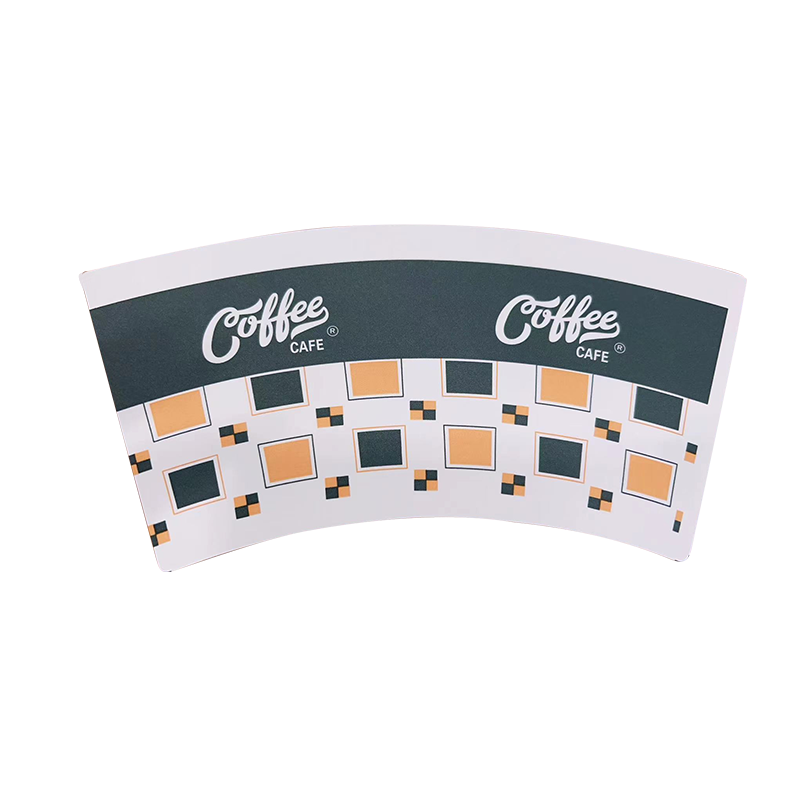
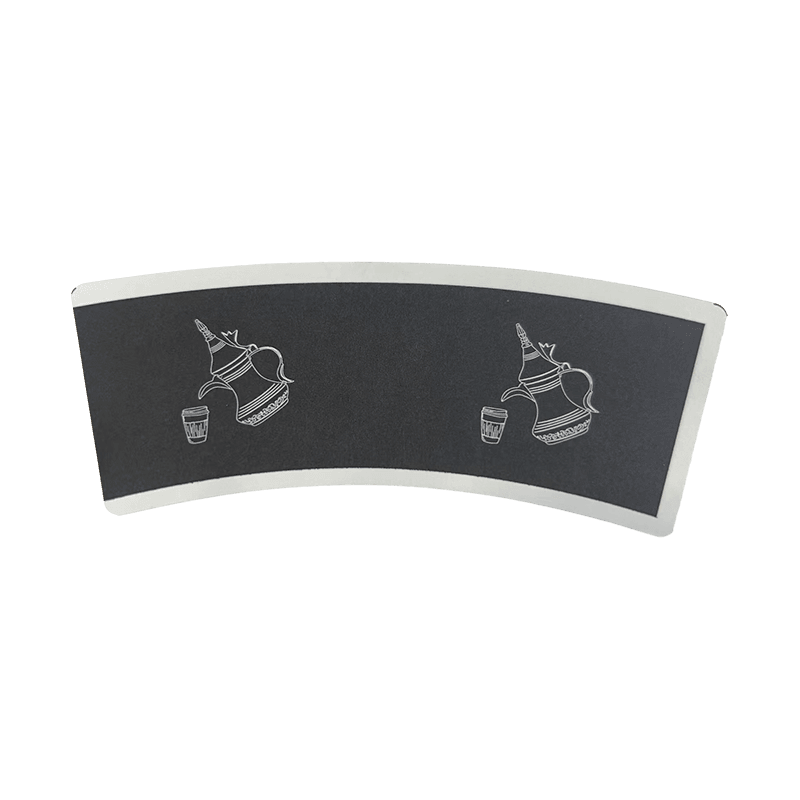
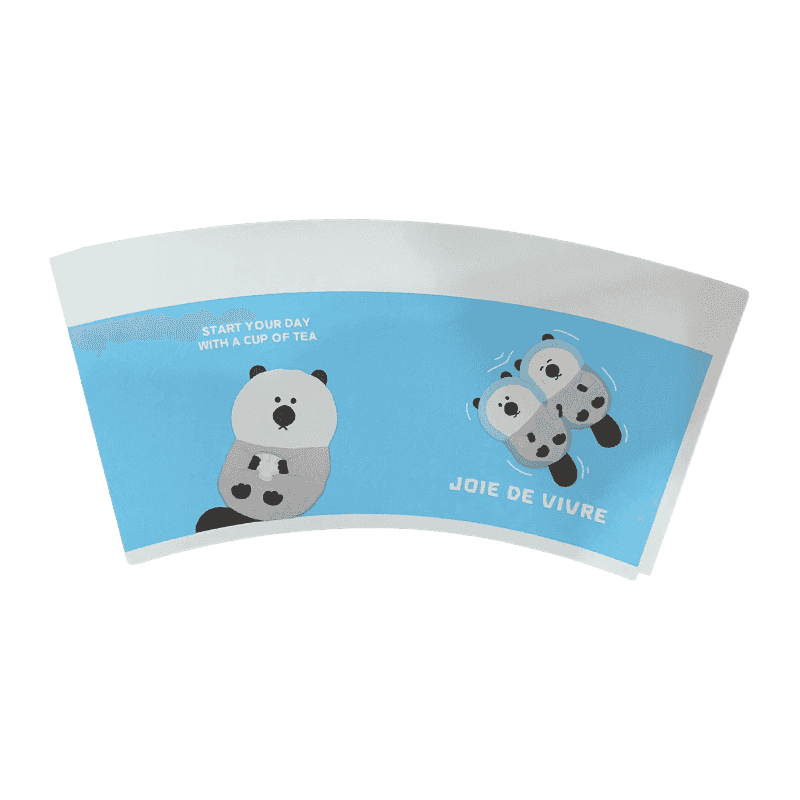
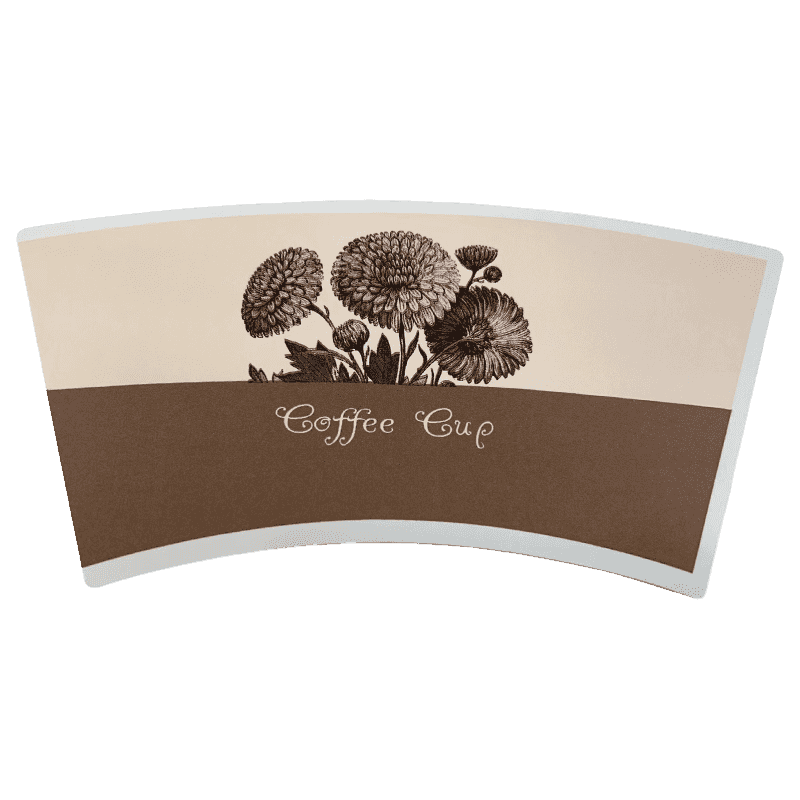
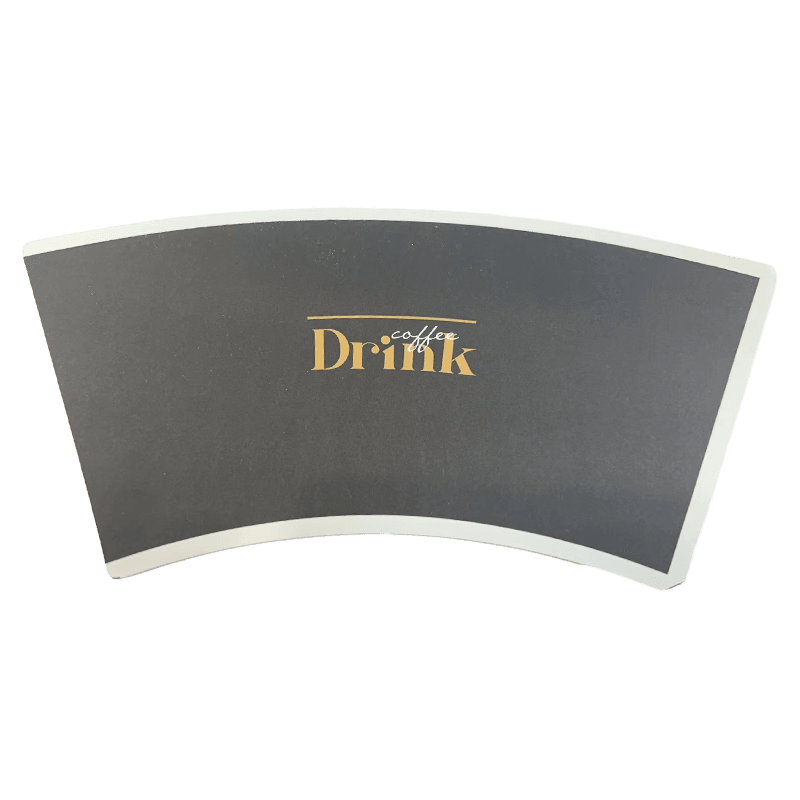
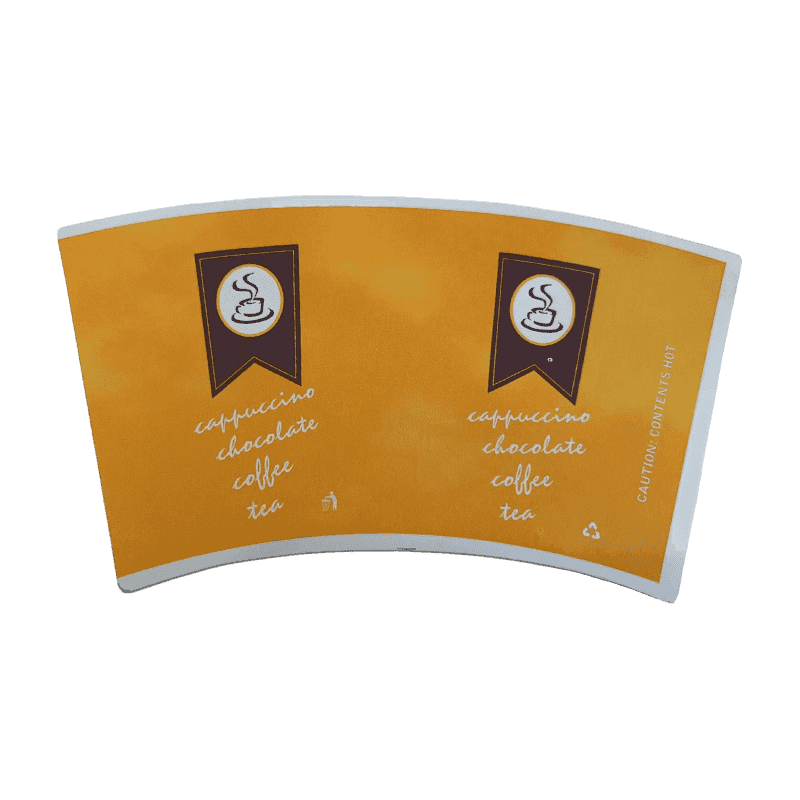
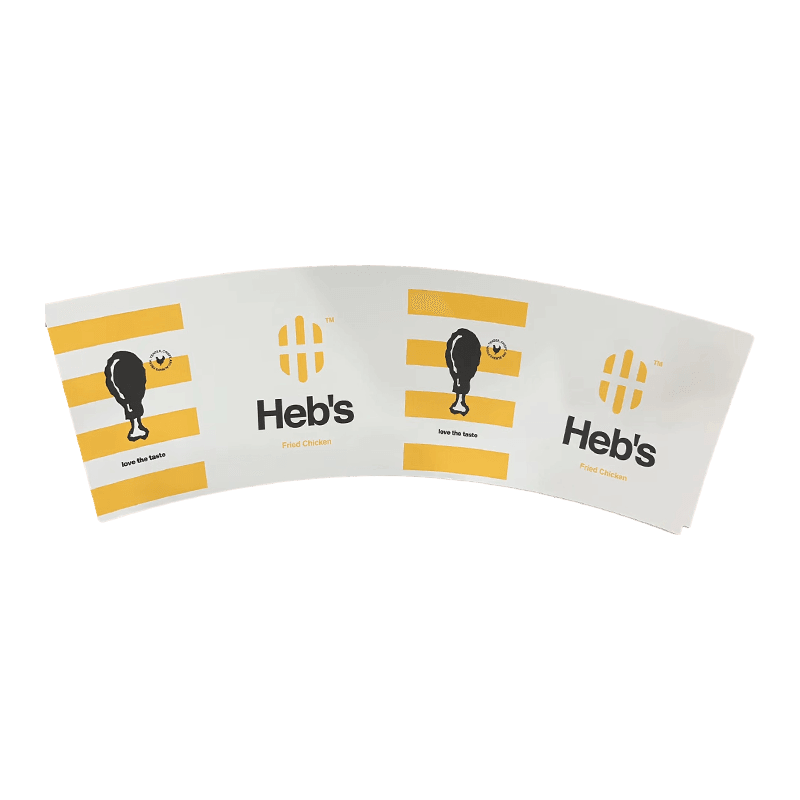
When selecting PLA paper cups, consider factors like beverage temperature, cup size, branding requirements, and supplier reliability. Many suppliers offer customized printing options, allowing businesses to combine eco-friendly practices with effective marketing. It’s also important to verify certifications, such as ASTM D6400 or EN 13432, which ensure the cup is fully compostable under industrial conditions.
Key selection tips:
- Confirm the cup is suitable for hot or cold beverages as needed
- Choose certified compostable materials for environmental compliance
- Consider suppliers with proven quality and eco-friendly credentials
- Evaluate costs in terms of long-term sustainability benefits
Conclusion
PLA paper cups are a practical, environmentally responsible alternative to traditional disposable cups. They offer measurable benefits in terms of biodegradability, compostability, and reduced reliance on fossil fuels. By choosing PLA cups, businesses and consumers can actively participate in reducing plastic waste while maintaining convenience and quality. Understanding the material, proper disposal methods, and market options ensures that these eco-friendly cups deliver maximum impact.